

Game meat, boar, wild, cooked, roasted
Whole food · Lamb, Veal, and Game Products

Photo: Wikipedia
Wild boar is a lean, deeply flavorful game meat with a firm, dense texture and a rich, slightly nutty, earthy taste reminiscent of pork but more robust. Its nutrition is striking: with 28.3g of protein and only 4.38g of fat per 100g, it's a powerhouse of high-quality protein on a very low-fat, zero-carb base.
Calorie split: 74% protein · 0% carbs · 26% fat
↓ Full nutrition💚 Why it's loved
People adore wild boar for its complex, gamey flavor that elevates rustic and gourmet dishes alike, offering a taste of the forest. Its versatility shines in everything from slow-braised roasts to charcuterie, connecting diners to culinary traditions of foraging and hunting.
⚠️ Watch-outs & how to enjoy it better
Its very low fat content means it can dry out quickly if overcooked, leading to a tough, chewy texture. To counteract this, use moist-heat cooking methods like braising or stewing, or marinate it beforehand to add moisture and tenderness.
Key benefits
- Exceptionally high in complete protein for muscle maintenance.
- Very low in fat and carbohydrates, ideal for lean diets.
- Rich in B vitamins like thiamine and B12 for energy metabolism.
- A good source of minerals like zinc and iron.
- Typically free from added hormones and antibiotics.
🍽️ Popular dishes
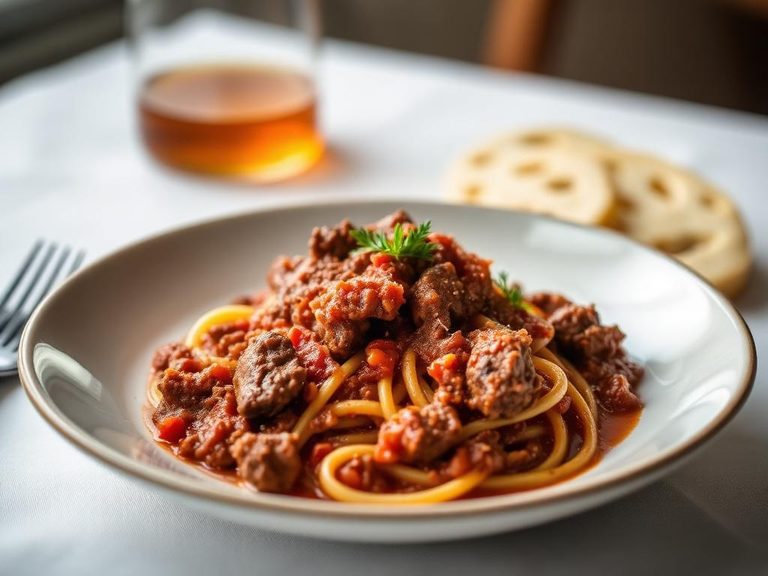
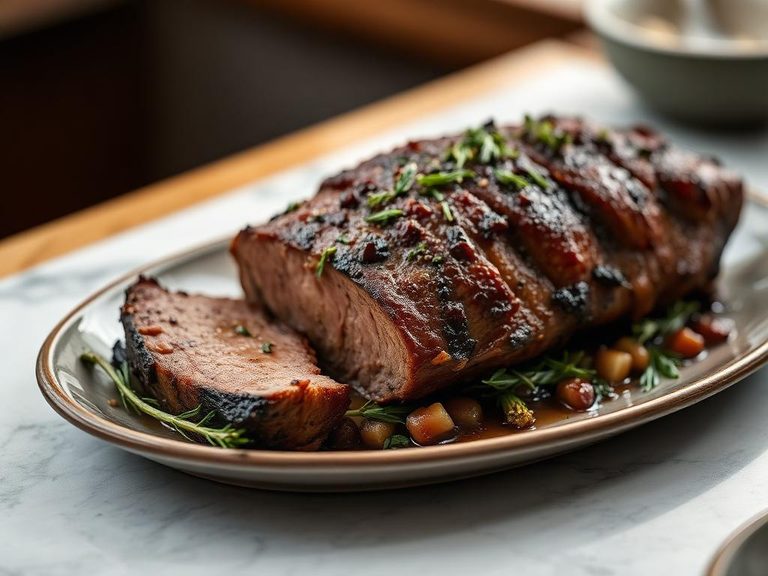
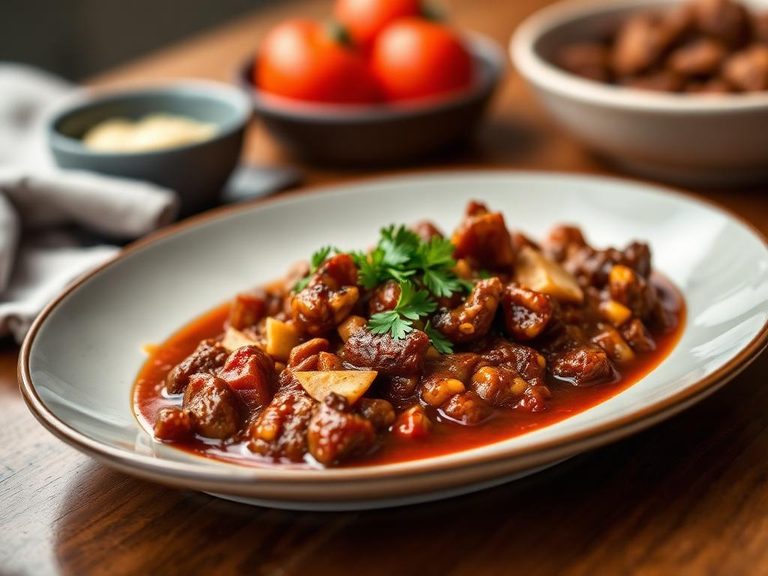
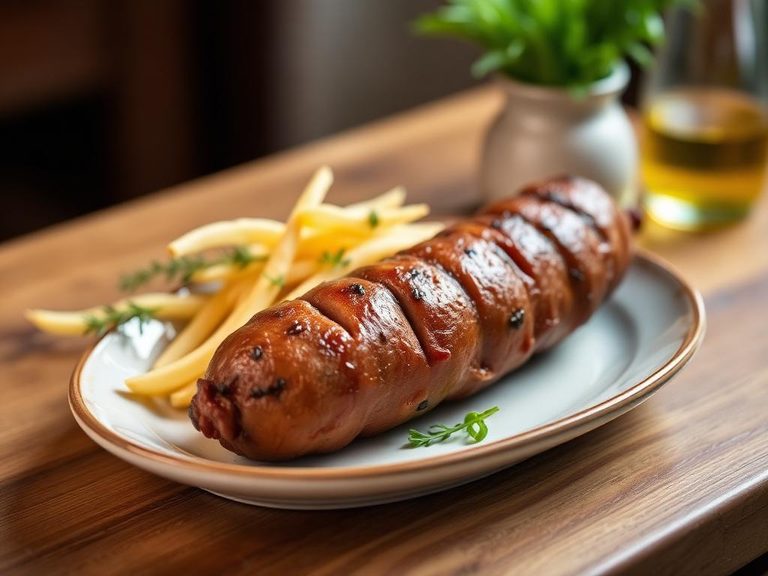
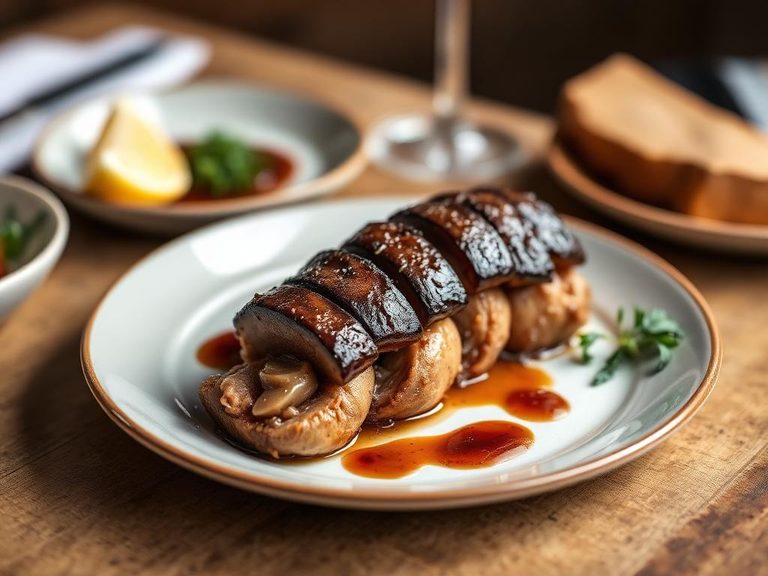
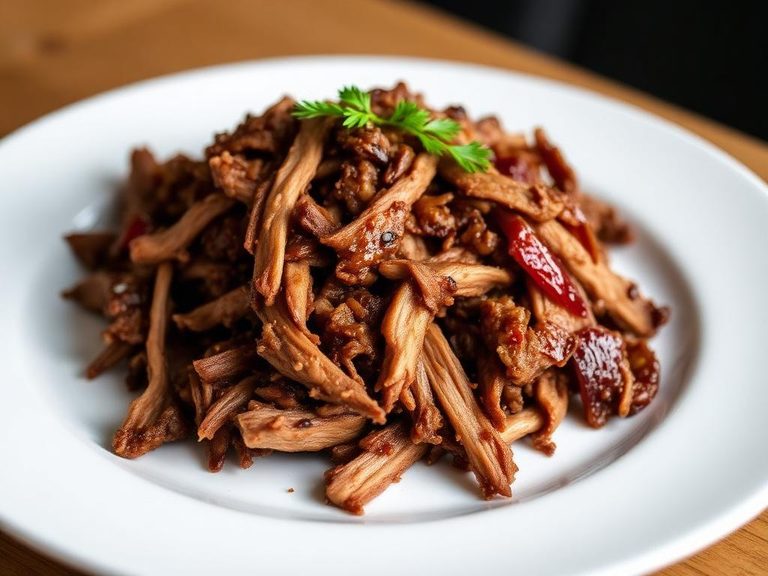
🌍 Where it's eaten
💡 Did you know?
Unlike domestic pork, wild boar meat is typically darker in color, often a deep red, due to the animal's active lifestyle and diet of acorns, roots, and grasses.
Full nutrition (USDA data · scales with serving)
| Water | 63.9 g |
| Energy | 160 kcal |
| Energy | 669 kj |
| Protein | 28.3 g |
| Total lipid (fat) | 4.4 g |
| Ash | 1.3 g |
| Carbohydrate, by difference | 0.00 g |
| Fiber, total dietary | 0.00 g |
| Total Sugars | 0.00 g |
| Calcium, Ca | 16.0 mg |
| Iron, Fe | 1.1 mg |
| Magnesium, Mg | 27.0 mg |
| Phosphorus, P | 134 mg |
| Potassium, K | 396 mg |
| Sodium, Na | 60.0 mg |
| Zinc, Zn | 3.0 mg |
| Copper, Cu | 0.06 mg |
| Selenium, Se | 13.0 ug |
| Vitamin C, total ascorbic acid | 0.00 mg |
| Thiamin | 0.31 mg |
| Riboflavin | 0.14 mg |
| Niacin | 4.2 mg |
| Vitamin B-6 | 0.42 mg |
| Folate, total | 6.0 ug |
| Folic acid | 0.00 ug |
| Folate, food | 6.0 ug |
| Folate, DFE | 6.0 ug |
| Choline, total | 117 mg |
| Betaine | 15.4 mg |
| Vitamin B-12 | 0.70 ug |
| Vitamin B-12, added | 0.00 ug |
| Vitamin A, RAE | 0.00 ug |
| Retinol | 0.00 ug |
| Carotene, beta | 0.00 ug |
| Carotene, alpha | 0.00 ug |
| Cryptoxanthin, beta | 0.00 ug |
| Vitamin A, IU | 0.00 iu |
| Lycopene | 0.00 ug |
| Lutein + zeaxanthin | 0.00 ug |
| Vitamin E (alpha-tocopherol) | 0.38 mg |
| Vitamin E, added | 0.00 mg |
| Vitamin D (D2 + D3), International Units | 0.00 iu |
| Vitamin D (D2 + D3) | 0.00 ug |
| Vitamin D3 (cholecalciferol) | 0.00 ug |
| Vitamin K (phylloquinone) | 1.4 ug |
| Vitamin K (Dihydrophylloquinone) | 0.00 ug |
| Alcohol, ethyl | 0.00 g |
| Caffeine | 0.00 mg |
| Theobromine | 0.00 mg |
Fat & fatty acid profile (per 100g)
| Fatty acids, total saturated | 1.3 g |
| SFA 4:0 | 0.00 g |
| SFA 6:0 | 0.00 g |
| SFA 8:0 | 0.00 g |
| SFA 10:0 | 0.00 g |
| SFA 12:0 | 0.00 g |
| SFA 14:0 | 0.05 g |
| SFA 16:0 | 0.77 g |
| SFA 18:0 | 0.44 g |
| Fatty acids, total monounsaturated | 1.7 g |
| MUFA 16:1 | 0.22 g |
| MUFA 18:1 | 1.5 g |
| MUFA 20:1 | 0.00 g |
| MUFA 22:1 | 0.00 g |
| Fatty acids, total polyunsaturated | 0.64 g |
| PUFA 18:2 | 0.50 g |
| PUFA 18:3 | 0.03 g |
| PUFA 18:4 | 0.00 g |
| PUFA 20:4 | 0.11 g |
| PUFA 20:5 n-3 (EPA) | 0.00 g |
| PUFA 22:5 n-3 (DPA) | 0.00 g |
| PUFA 22:6 n-3 (DHA) | 0.00 g |
| Cholesterol | 77.0 mg |
Amino acid profile (per 100g)
| Tryptophan | 0.38 g |
| Threonine | 1.3 g |
| Isoleucine | 1.4 g |
| Leucine | 2.3 g |
| Lysine | 2.8 g |
| Methionine | 0.70 g |
| Cystine | 0.37 g |
| Phenylalanine | 1.1 g |
| Tyrosine | 1.0 g |
| Valine | 1.5 g |
| Arginine | 2.0 g |
| Histidine | 1.4 g |
| Alanine | 1.7 g |
| Aspartic acid | 2.6 g |
| Glutamic acid | 4.4 g |
| Glycine | 1.3 g |
| Proline | 1.1 g |
| Serine | 1.2 g |
FAQ
Is wild boar meat safe to eat?
Yes, when sourced from reputable suppliers and cooked to a safe internal temperature (160°F or 71°C), it is safe. Wild game should always be handled with care to prevent contamination.
How does it taste different from domestic pork?
Wild boar has a more pronounced, gamier flavor—often described as nutty, earthy, and slightly sweet—with a firmer texture due to the animal's natural diet and active life.
What's the best way to cook it to avoid toughness?
Because it's lean, slow, moist cooking methods are best. Braising, stewing, or roasting at lower temperatures with added liquid (like broth or wine) helps break down connective tissue and keep it tender.
Nutrient density (calculated · NRF9.3)
Nutrient Rich Foods index: beneficial nutrients (protein, fiber, vitamins, minerals) minus saturated fat, added sugar & sodium, per 100 kcal.
NRF9.3 index — Fulgoni, Keast & Drewnowski, 2009. Computed from USDA nutrients.
Weight-loss friendliness (composite index)
Energy density 1.60 kcal/g · 71% calories from protein · 0.0 g fiber · 0.0 g sugar per 100 g.
Composite of energy density (Rolls et al., 1999), protein & fiber satiety, minus sugar. A calculated heuristic — ranks satiety-per-calorie, not a clinical measure.
Dietary load (calculated from USDA values)
Potential renal acid load. Positive = acid-forming, negative = alkaline-forming.
Sodium-to-potassium ratio: 0.15 (lower is better — aim for ≤ 1)
Sodium:potassium per WHO potassium guidance. Computed from USDA nutrients.