Wild boar ragù
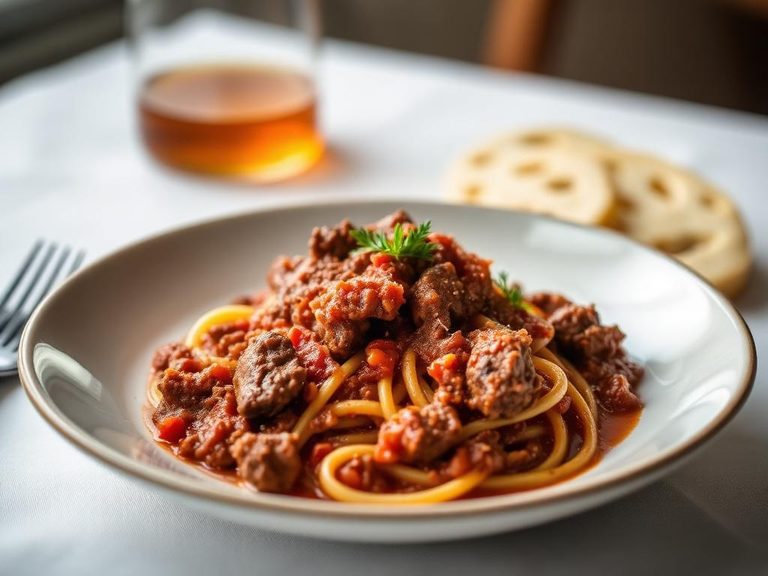
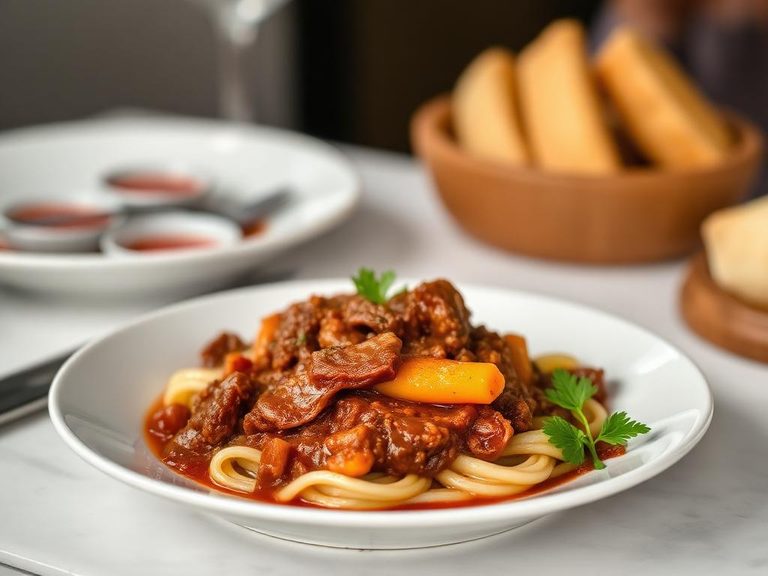
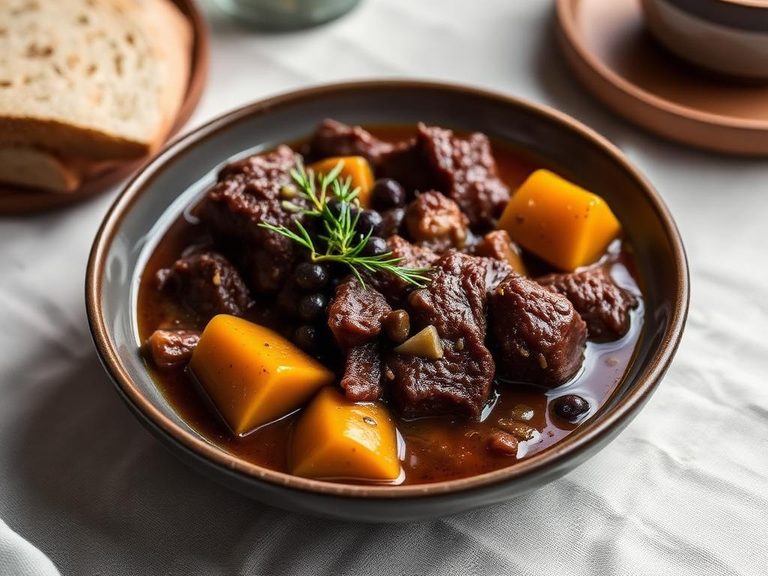
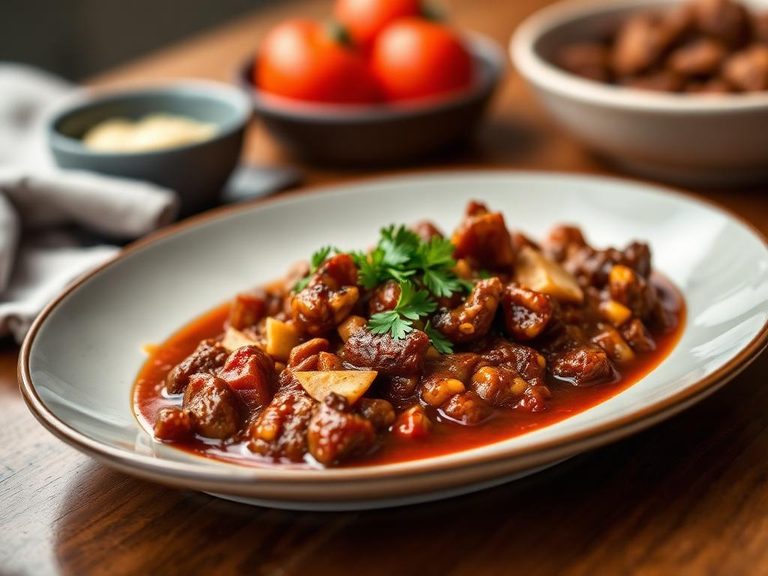
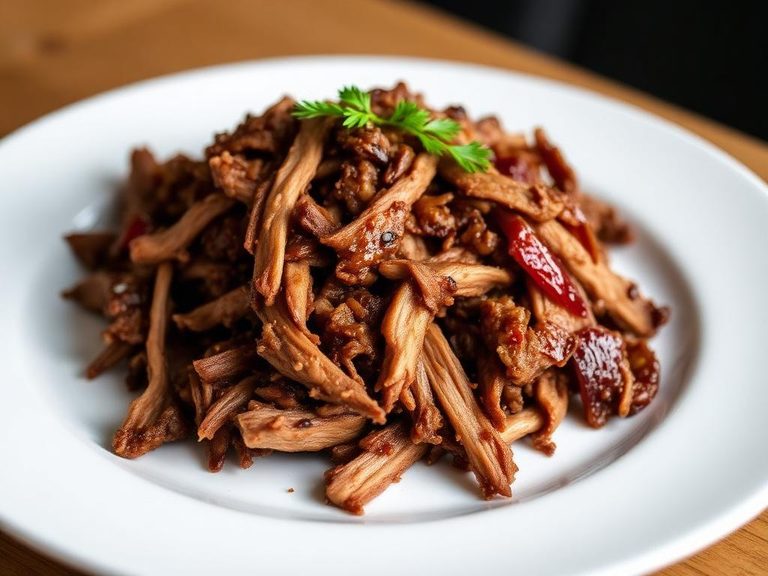
Wild boar ragù is a hearty, rustic Italian pasta sauce made from slow-cooked wild boar meat, typically simmered with tomatoes, red wine, and aromatic herbs. Originating from the forested regions of Tuscany and Umbria, it is a traditional game dish that celebrates foraged ingredients. The result is a deeply savory, complex sauce often served over pappardelle or other wide pasta.
🍽️ Nutrition at a glance
This dish is high in protein and fat, with a moderate amount of carbohydrates from the pasta and tomatoes. It is a good source of iron, zinc, and B vitamins, providing a rich, satisfying meal with a rough calorie ballpark of 500-650 kcal per serving.
Nutrition breakdown
| Calories | 580 kcal |
| Protein | 38 g |
| Carbs | 45 g |
| Fat | 22 g |
| Fiber | 5 g |
| Sugar | 8 g |
| Sodium | 680 mg |
| Iron | 4.2 mg |
| Zinc | 6.8 mg |
| Potassium | 620 mg |
| Vitamin B6 | 0.8 mg |
| Niacin (B3) | 9.5 mg |
| Selenium | 32 mcg |
| Phosphorus | 340 mg |
| Vitamin B12 | 1.6 mcg |
Per 1 cup (240 g) of ragù with pasta · estimated, varies by recipe
💡 What's interesting
Wild boar meat is leaner and more flavorful than domestic pork, with a distinct gaminess that pairs beautifully with bold red wines and earthy herbs. Nutritionally, it offers a higher protein-to-fat ratio than many other red meats, making it a prized choice for a hearty yet relatively balanced dish.