

Fish, tuna, white, canned in oil, drained solids
Whole food · Finfish and Shellfish Products
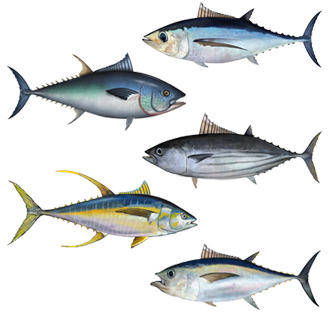
Photo: Wikipedia
Canned white tuna in oil is a pantry staple made from lean, mild-flavored tuna packed in vegetable oil and then drained. It offers a dense, flaky texture and a rich, savory taste with a subtle oily mouthfeel. Nutritionally, it's a powerhouse of protein (26.53g per 100g) with zero carbohydrates and a moderate fat content from the packing oil.
Calorie split: 59% protein · 0% carbs · 41% fat
↓ Full nutrition💚 Why it's loved
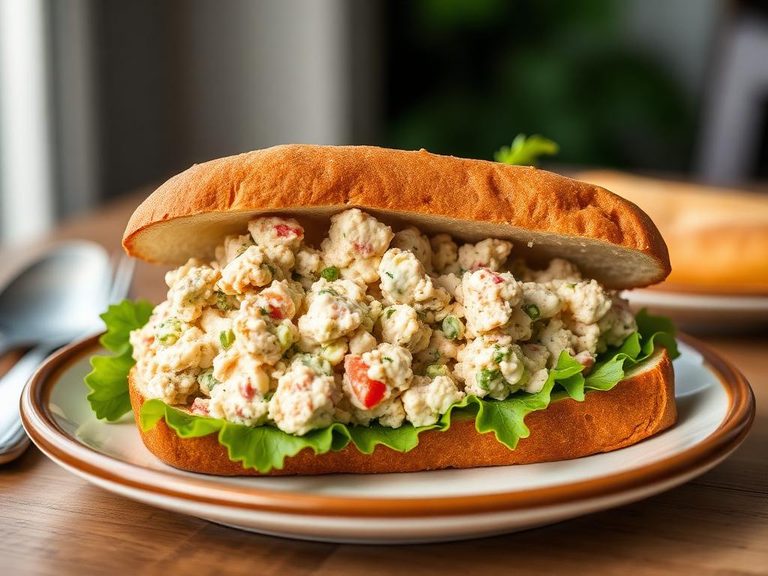
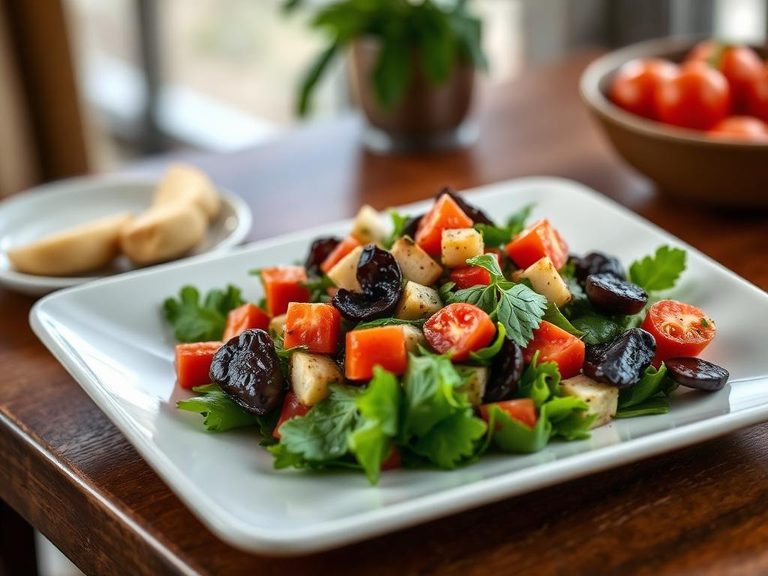
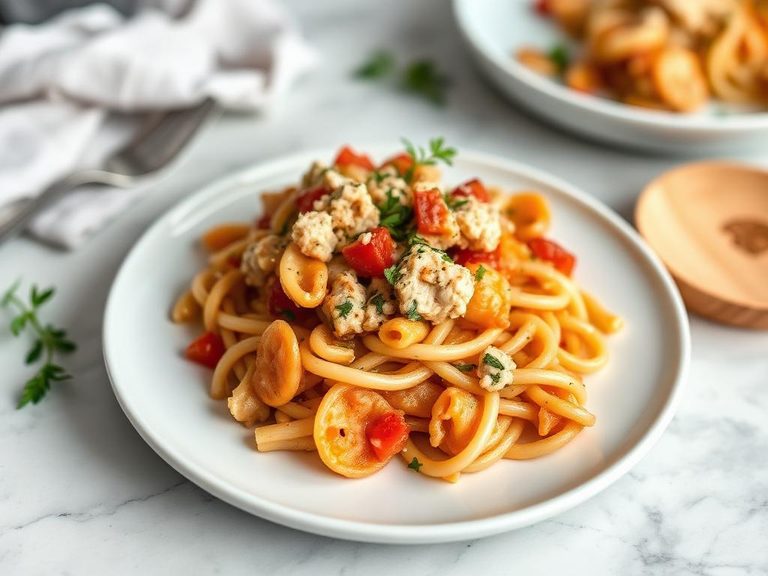
People love it for its incredible versatility and savory, umami-rich flavor that elevates simple dishes like salads, sandwiches, and pasta. Its long shelf life and no-cook convenience make it a reliable, protein-packed option for quick meals across many cultures.
⚠️ Watch-outs & how to enjoy it better
The oil packing can increase calorie and fat content, and some brands may have higher sodium levels, which could be a concern for those monitoring blood pressure. To counteract, choose 'in water' varieties when possible, rinse the solids, or pair it with fiber-rich vegetables to balance the meal. Also, be mindful of potential mercury content; consuming it in moderation is key.
Key benefits
- Excellent source of complete, high-quality protein
- Zero carbohydrates, making it suitable for low-carb and keto diets
- Provides essential omega-3 fatty acids from the fish and oil
- Convenient, shelf-stable, and ready to eat
- Rich in selenium and vitamin B12
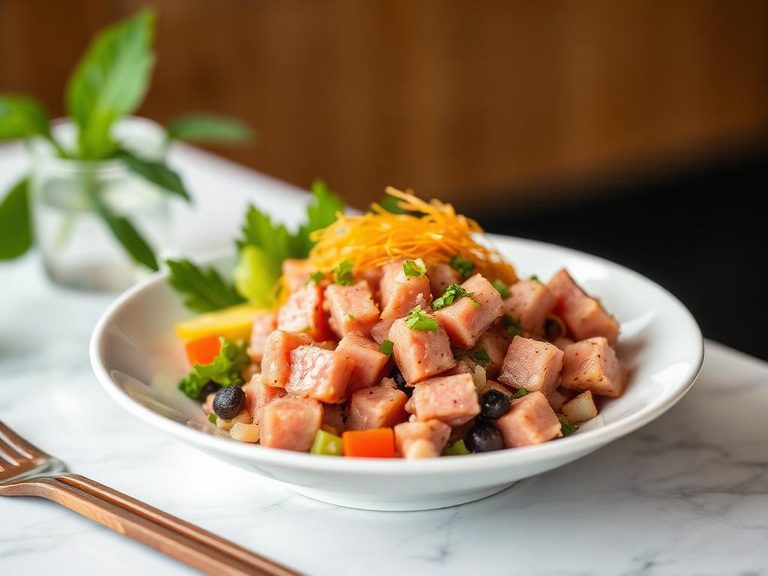
🍽️ Popular dishes

🌍 Where it's eaten
💡 Did you know?
Canned tuna was first commercially produced in the 1850s in the United States, not in Japan, and was initially marketed as a substitute for more expensive salmon.
Full nutrition (USDA data · scales with serving)
| Water | 64.0 g |
| Energy | 186 kcal |
| Energy | 778 kj |
| Protein | 26.5 g |
| Total lipid (fat) | 8.1 g |
| Ash | 2.2 g |
| Carbohydrate, by difference | 0.00 g |
| Fiber, total dietary | 0.00 g |
| Total Sugars | 0.00 g |
| Calcium, Ca | 4.0 mg |
| Iron, Fe | 0.65 mg |
| Magnesium, Mg | 34.0 mg |
| Phosphorus, P | 267 mg |
| Potassium, K | 333 mg |
| Sodium, Na | 396 mg |
| Zinc, Zn | 0.47 mg |
| Copper, Cu | 0.13 mg |
| Manganese, Mn | 0.02 mg |
| Selenium, Se | 60.1 ug |
| Fluoride, F | 31.0 ug |
| Vitamin C, total ascorbic acid | 0.00 mg |
| Thiamin | 0.02 mg |
| Riboflavin | 0.08 mg |
| Niacin | 11.7 mg |
| Pantothenic acid | 0.37 mg |
| Vitamin B-6 | 0.43 mg |
| Folate, total | 5.0 ug |
| Folic acid | 0.00 ug |
| Folate, food | 5.0 ug |
| Folate, DFE | 5.0 ug |
| Vitamin B-12 | 2.2 ug |
| Vitamin A, RAE | 5.0 ug |
| Retinol | 5.0 ug |
| Carotene, beta | 0.00 ug |
| Carotene, alpha | 0.00 ug |
| Cryptoxanthin, beta | 0.00 ug |
| Vitamin A, IU | 16.0 iu |
| Lycopene | 0.00 ug |
| Lutein + zeaxanthin | 0.00 ug |
| Vitamin E (alpha-tocopherol) | 2.3 mg |
| Tocopherol, beta | 0.00 mg |
| Tocopherol, gamma | 0.02 mg |
| Tocopherol, delta | 0.02 mg |
| Tocotrienol, alpha | 0.06 mg |
| Tocotrienol, beta | 0.00 mg |
| Tocotrienol, gamma | 0.00 mg |
| Vitamin K (phylloquinone) | 6.9 ug |
| Alcohol, ethyl | 0.00 g |
| Caffeine | 0.00 mg |
| Theobromine | 0.00 mg |
Fat & fatty acid profile (per 100g)
| Fatty acids, total saturated | 1.3 g |
| SFA 4:0 | 0.00 g |
| SFA 6:0 | 0.00 g |
| SFA 8:0 | 0.00 g |
| SFA 10:0 | 0.00 g |
| SFA 12:0 | 0.00 g |
| SFA 14:0 | 0.03 g |
| SFA 16:0 | 0.86 g |
| SFA 18:0 | 0.39 g |
| Fatty acids, total monounsaturated | 3.3 g |
| MUFA 16:1 | 0.07 g |
| MUFA 18:1 | 3.2 g |
| MUFA 20:1 | 0.02 g |
| MUFA 22:1 | 0.01 g |
| Fatty acids, total polyunsaturated | 3.0 g |
| PUFA 18:2 | 2.5 g |
| PUFA 18:3 | 0.20 g |
| PUFA 18:4 | 0.01 g |
| PUFA 20:4 | 0.01 g |
| PUFA 20:5 n-3 (EPA) | 0.07 g |
| PUFA 22:5 n-3 (DPA) | 0.01 g |
| PUFA 22:6 n-3 (DHA) | 0.18 g |
| Cholesterol | 31.0 mg |
Amino acid profile (per 100g)
| Tryptophan | 0.30 g |
| Threonine | 1.2 g |
| Isoleucine | 1.2 g |
| Leucine | 2.2 g |
| Lysine | 2.4 g |
| Methionine | 0.79 g |
| Cystine | 0.28 g |
| Phenylalanine | 1.0 g |
| Tyrosine | 0.90 g |
| Valine | 1.4 g |
| Arginine | 1.6 g |
| Histidine | 0.78 g |
| Alanine | 1.6 g |
| Aspartic acid | 2.7 g |
| Glutamic acid | 4.0 g |
| Glycine | 1.3 g |
| Proline | 0.94 g |
| Serine | 1.1 g |
FAQ
Is canned tuna in oil healthier than in water?
It depends on your goals. Tuna in oil has more calories and fat, but the oil can be a source of healthy fats like omega-3s. Tuna in water is lower in calories and fat, making it better for strict calorie control.
How much mercury is in canned white tuna?
White (albacore) tuna generally has higher mercury levels than light tuna. The FDA recommends limiting albacore tuna to about 6 ounces per week, especially for pregnant women and children.
Can I use canned tuna in oil for cooking?
Yes, it's excellent for cooking. The oil adds flavor and moisture to dishes like pasta, casseroles, or fried rice. You can also use the oil itself for sautéing vegetables.
How long does canned tuna last after opening?
Once opened, transfer any unused tuna to an airtight container and refrigerate. It should be consumed within 3-4 days for best quality and safety.
Nutrient density (calculated · NRF9.3)
Nutrient Rich Foods index: beneficial nutrients (protein, fiber, vitamins, minerals) minus saturated fat, added sugar & sodium, per 100 kcal.
NRF9.3 index — Fulgoni, Keast & Drewnowski, 2009. Computed from USDA nutrients.
Weight-loss friendliness (composite index)
Energy density 1.86 kcal/g · 57% calories from protein · 0.0 g fiber · 0.0 g sugar per 100 g.
Composite of energy density (Rolls et al., 1999), protein & fiber satiety, minus sugar. A calculated heuristic — ranks satiety-per-calorie, not a clinical measure.
Dietary load (calculated from USDA values)
Potential renal acid load. Positive = acid-forming, negative = alkaline-forming.
Sodium-to-potassium ratio: 1.19 (lower is better — aim for ≤ 1)
Sodium:potassium per WHO potassium guidance. Computed from USDA nutrients.