

Fish, tuna, fresh, bluefin, raw
Whole food · Finfish and Shellfish Products
Fresh bluefin tuna is a premium, deep-red fish with a buttery, melt-in-your-mouth texture and a clean, subtly sweet oceanic flavor. Its nutritional profile is a powerhouse of lean, high-quality protein with minimal fat, making it a top-tier choice for muscle repair and satiety. The flesh is prized for its firm yet tender consistency, especially when served raw.
Calorie split: 68% protein · 0% carbs · 32% fat
↓ Full nutrition💚 Why it's loved
People love it for its unparalleled, luxurious flavor and buttery texture that defines high-end sushi and sashimi. Its culinary versatility allows it to shine in both simple raw preparations and seared dishes, making it a centerpiece of gourmet cuisine.
⚠️ Watch-outs & how to enjoy it better
Due to its position as an apex predator, bluefin tuna can accumulate higher levels of mercury, so pregnant women and young children should limit intake. To mitigate this, choose smaller, younger fish (like 'bluefin tuna toro' from sustainable sources) and consume it in moderation, alternating with lower-mercury seafood like salmon or shrimp.
Key benefits
- Excellent source of complete, high-quality protein
- Rich in omega-3 fatty acids (EPA and DHA)
- Provides essential nutrients like selenium and B vitamins
- Low in carbohydrates, suitable for ketogenic diets
- Supports heart and brain health
🍽️ Popular dishes
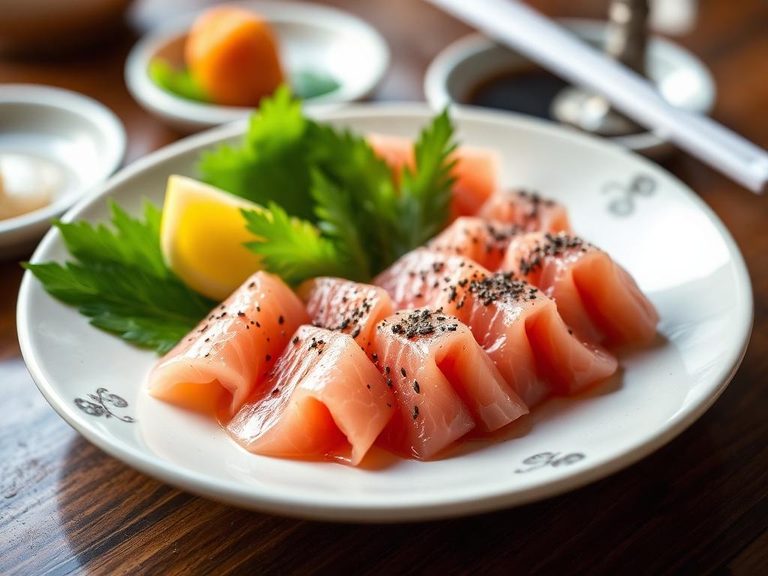
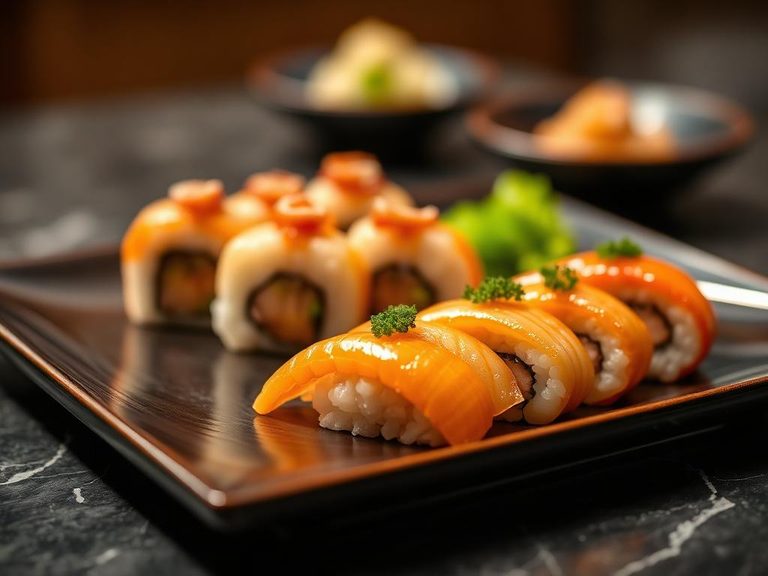
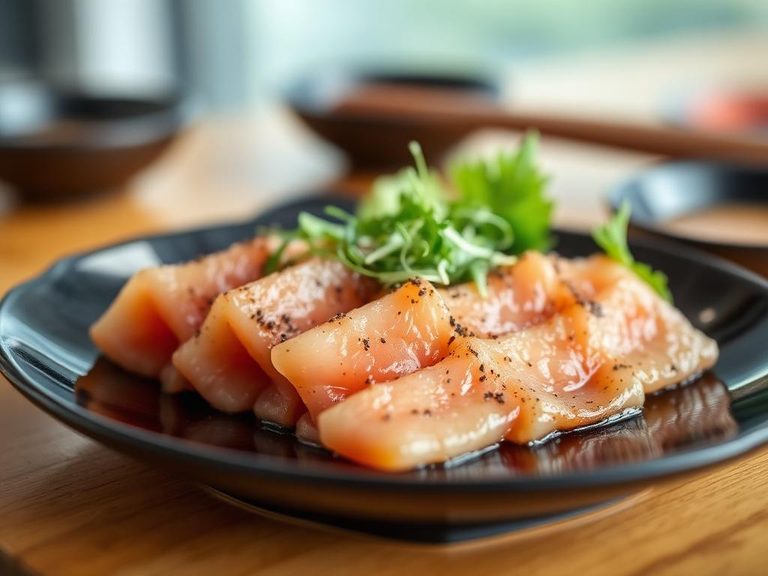
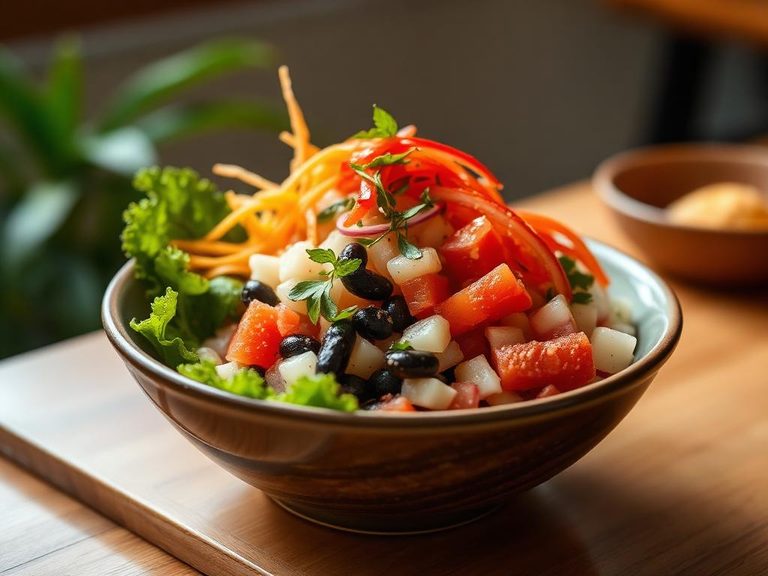
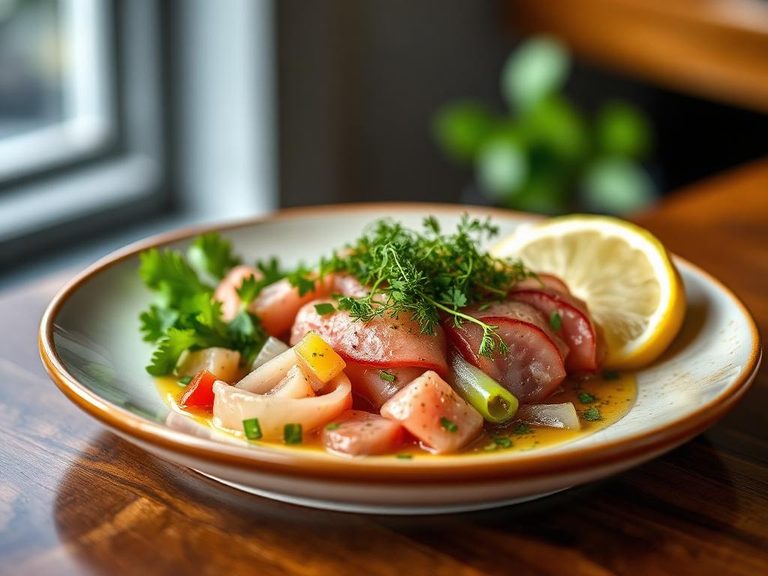
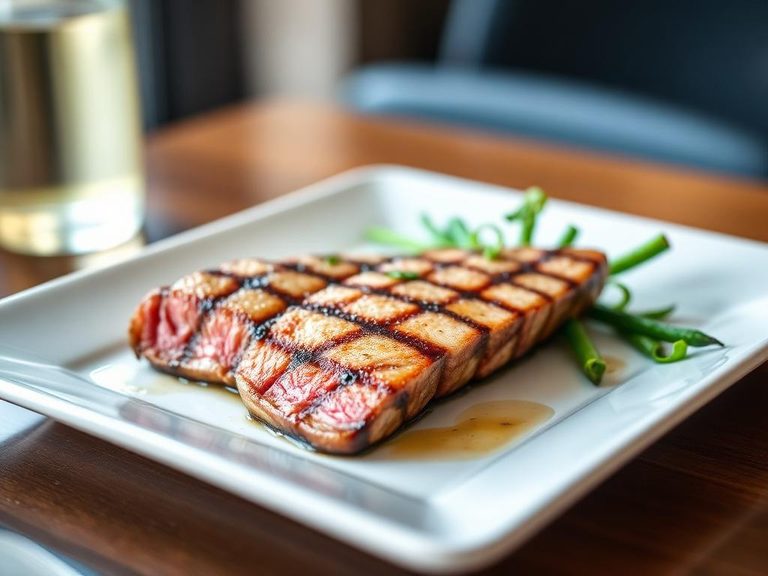
🌍 Where it's eaten
💡 Did you know?
A single bluefin tuna can weigh over 1,000 pounds, and at Tokyo's Toyosu Market, the first bluefin tuna of the year is auctioned off for millions of dollars as a symbol of good fortune.
Full nutrition (USDA data · scales with serving)
| Water | 68.1 g |
| Energy | 144 kcal |
| Energy | 602 kj |
| Protein | 23.3 g |
| Total lipid (fat) | 4.9 g |
| Ash | 1.2 g |
| Carbohydrate, by difference | 0.00 g |
| Fiber, total dietary | 0.00 g |
| Total Sugars | 0.00 g |
| Calcium, Ca | 8.0 mg |
| Iron, Fe | 1.0 mg |
| Magnesium, Mg | 50.0 mg |
| Phosphorus, P | 254 mg |
| Potassium, K | 252 mg |
| Sodium, Na | 39.0 mg |
| Zinc, Zn | 0.60 mg |
| Copper, Cu | 0.09 mg |
| Manganese, Mn | 0.01 mg |
| Selenium, Se | 36.5 ug |
| Vitamin C, total ascorbic acid | 0.00 mg |
| Thiamin | 0.24 mg |
| Riboflavin | 0.25 mg |
| Niacin | 8.7 mg |
| Pantothenic acid | 1.1 mg |
| Vitamin B-6 | 0.46 mg |
| Folate, total | 2.0 ug |
| Folic acid | 0.00 ug |
| Folate, food | 2.0 ug |
| Folate, DFE | 2.0 ug |
| Choline, total | 65.0 mg |
| Vitamin B-12 | 9.4 ug |
| Vitamin B-12, added | 0.00 ug |
| Vitamin A, RAE | 655 ug |
| Retinol | 655 ug |
| Carotene, beta | 0.00 ug |
| Carotene, alpha | 0.00 ug |
| Cryptoxanthin, beta | 0.00 ug |
| Vitamin A, IU | 2183 iu |
| Lycopene | 0.00 ug |
| Lutein + zeaxanthin | 0.00 ug |
| Vitamin E (alpha-tocopherol) | 1.0 mg |
| Vitamin E, added | 0.00 mg |
| Vitamin D (D2 + D3), International Units | 227 iu |
| Vitamin D (D2 + D3) | 5.7 ug |
| Vitamin D3 (cholecalciferol) | 5.7 ug |
| Vitamin K (phylloquinone) | 0.00 ug |
| Alcohol, ethyl | 0.00 g |
| Caffeine | 0.00 mg |
| Theobromine | 0.00 mg |
Fat & fatty acid profile (per 100g)
| Fatty acids, total saturated | 1.3 g |
| SFA 4:0 | 0.00 g |
| SFA 6:0 | 0.00 g |
| SFA 8:0 | 0.00 g |
| SFA 10:0 | 0.00 g |
| SFA 12:0 | 0.00 g |
| SFA 14:0 | 0.14 g |
| SFA 16:0 | 0.81 g |
| SFA 18:0 | 0.31 g |
| Fatty acids, total monounsaturated | 1.6 g |
| MUFA 16:1 | 0.16 g |
| MUFA 18:1 | 0.92 g |
| MUFA 20:1 | 0.28 g |
| MUFA 22:1 | 0.24 g |
| Fatty acids, total polyunsaturated | 1.4 g |
| PUFA 18:2 | 0.05 g |
| PUFA 18:3 | 0.00 g |
| PUFA 18:4 | 0.04 g |
| PUFA 20:4 | 0.04 g |
| PUFA 20:5 n-3 (EPA) | 0.28 g |
| PUFA 22:5 n-3 (DPA) | 0.13 g |
| PUFA 22:6 n-3 (DHA) | 0.89 g |
| Cholesterol | 38.0 mg |
Amino acid profile (per 100g)
| Tryptophan | 0.26 g |
| Threonine | 1.0 g |
| Isoleucine | 1.1 g |
| Leucine | 1.9 g |
| Lysine | 2.1 g |
| Methionine | 0.69 g |
| Cystine | 0.25 g |
| Phenylalanine | 0.91 g |
| Tyrosine | 0.79 g |
| Valine | 1.2 g |
| Arginine | 1.4 g |
| Histidine | 0.69 g |
| Alanine | 1.4 g |
| Aspartic acid | 2.4 g |
| Glutamic acid | 3.5 g |
| Glycine | 1.1 g |
| Proline | 0.82 g |
| Serine | 0.95 g |
FAQ
What's the difference between bluefin and other tuna like yellowfin?
Bluefin is generally richer, fattier, and more prized for its buttery flavor, especially the belly cuts (toro). Yellowfin (ahi) is leaner, firmer, and has a more pronounced, meaty taste.
Is it safe to eat raw at home?
Only if you purchase 'sushi-grade' or 'sashimi-grade' fish from a reputable supplier that has been flash-frozen to kill parasites. Never use standard supermarket fresh fish for raw consumption.
How should I store fresh bluefin tuna?
Use it the day of purchase for optimal quality. If needed, store it in the coldest part of your refrigerator (32-34°F / 0-1°C) for up to 24 hours, tightly wrapped. For longer storage, freeze it.
Nutrient density (calculated · NRF9.3)
Nutrient Rich Foods index: beneficial nutrients (protein, fiber, vitamins, minerals) minus saturated fat, added sugar & sodium, per 100 kcal.
NRF9.3 index — Fulgoni, Keast & Drewnowski, 2009. Computed from USDA nutrients.
Weight-loss friendliness (composite index)
Energy density 1.44 kcal/g · 65% calories from protein · 0.0 g fiber · 0.0 g sugar per 100 g.
Composite of energy density (Rolls et al., 1999), protein & fiber satiety, minus sugar. A calculated heuristic — ranks satiety-per-calorie, not a clinical measure.
Dietary load (calculated from USDA values)
Potential renal acid load. Positive = acid-forming, negative = alkaline-forming.
Sodium-to-potassium ratio: 0.15 (lower is better — aim for ≤ 1)
Sodium:potassium per WHO potassium guidance. Computed from USDA nutrients.