Nigiri sushi
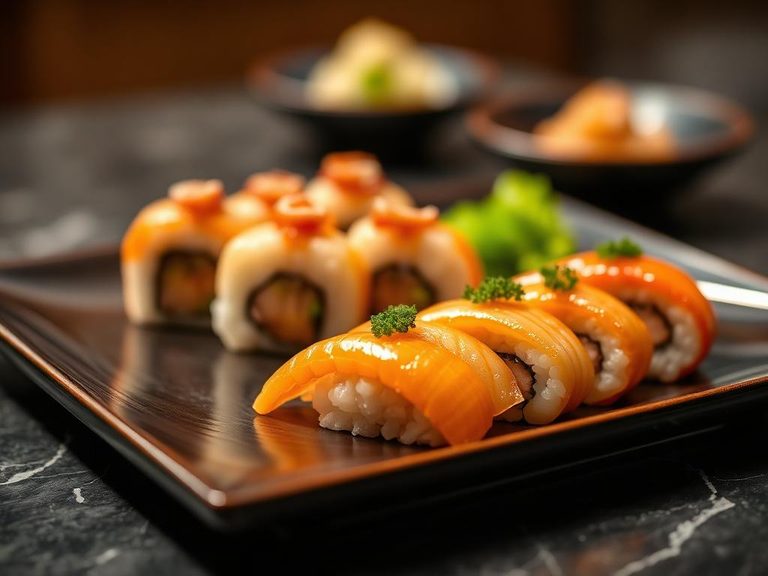
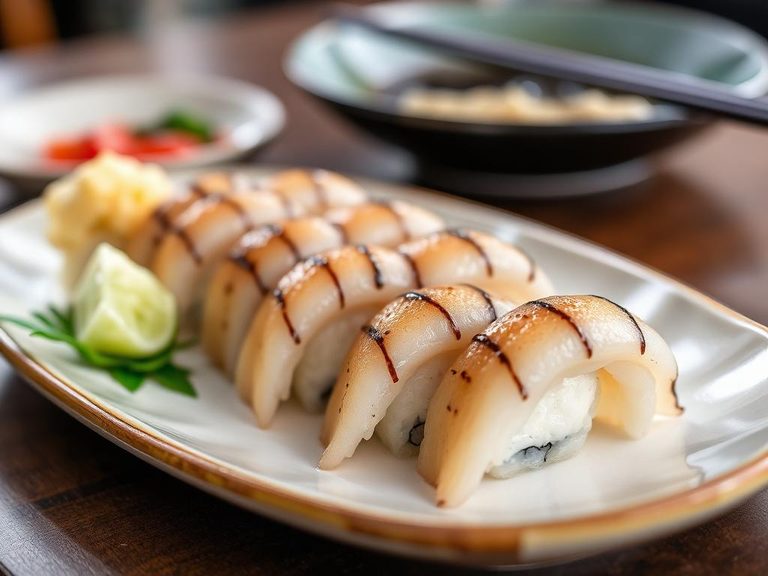
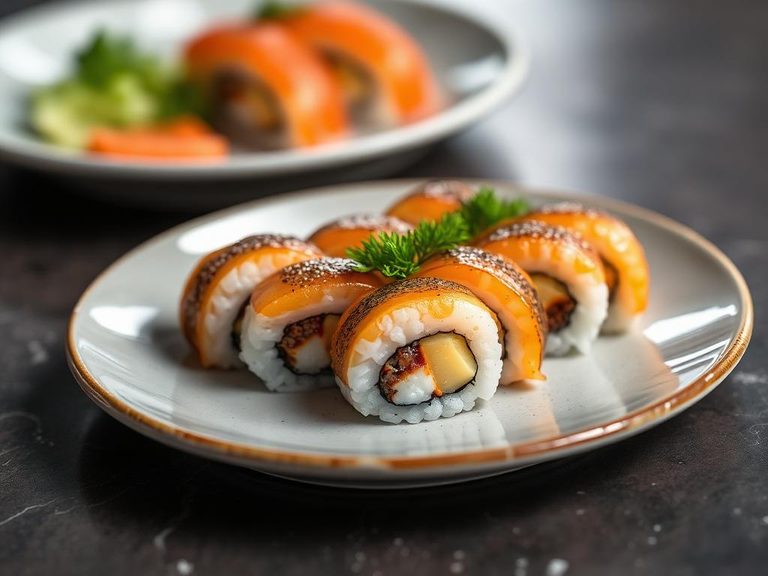
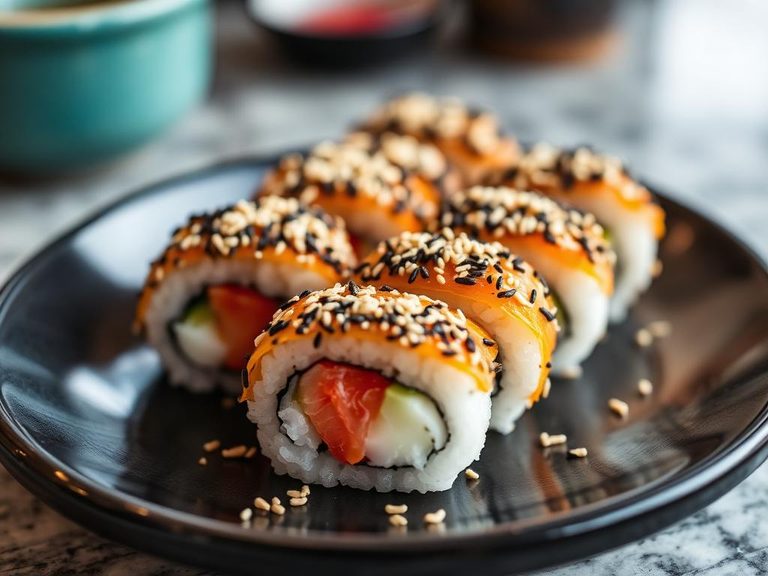
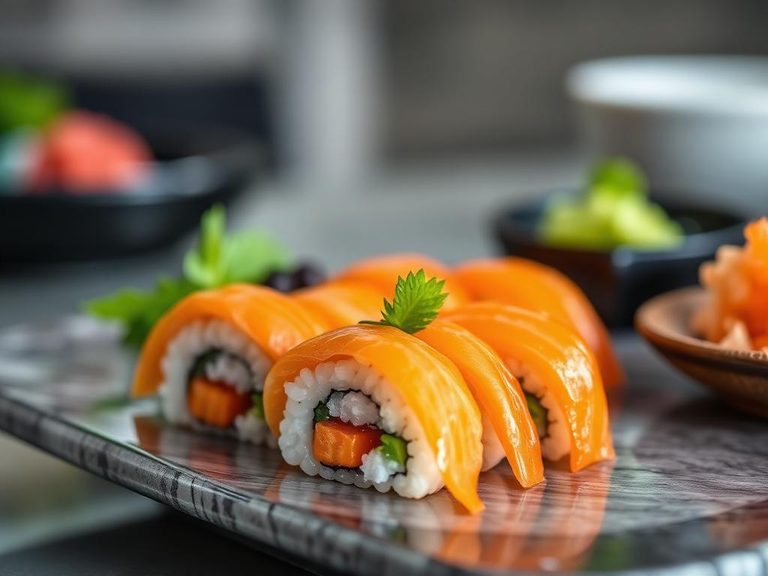
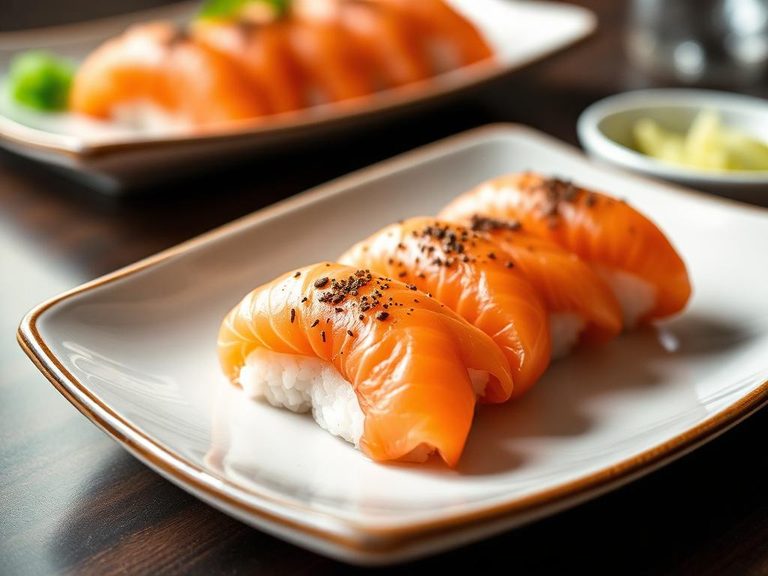
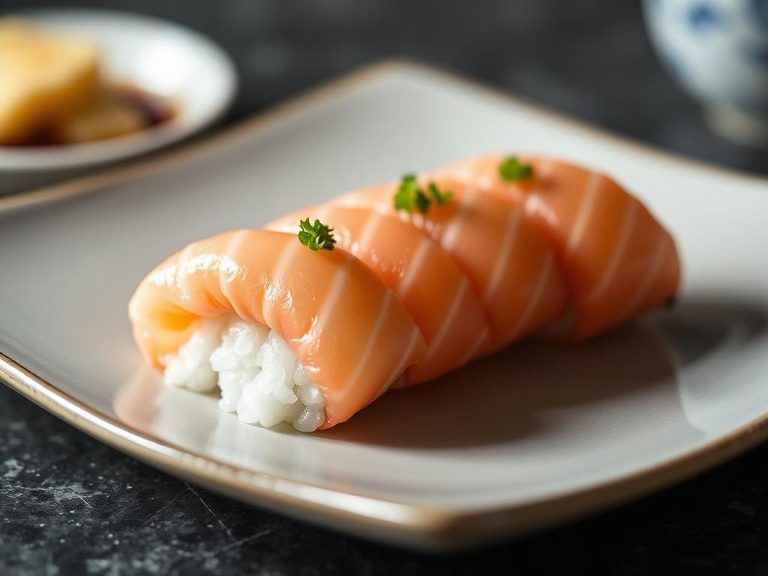
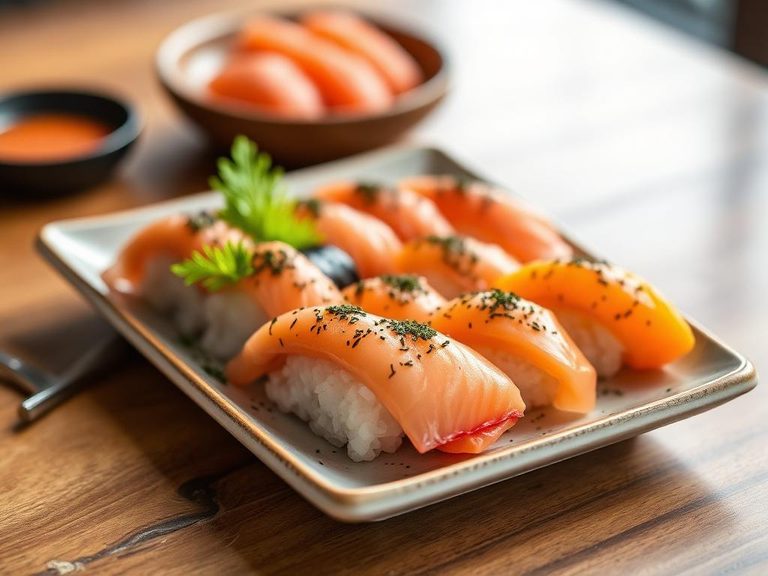
Nigiri sushi is a classic Japanese dish featuring a slice of fresh, raw or cooked seafood draped over a hand-pressed mound of vinegared rice. Common toppings include tuna, salmon, shrimp, and eel, often secured with a thin strip of nori seaweed. It originated in Edo (modern-day Tokyo) during the early 19th century as a fast-food style of sushi.
🍽️ Nutrition at a glance
Nigiri sushi is generally balanced, offering high-quality protein from the seafood, moderate carbohydrates from the rice, and relatively low fat unless paired with richer toppings like fatty tuna or eel. A typical two-piece serving provides around 120-180 calories, along with omega-3 fatty acids, selenium, and B vitamins.
Nutrition breakdown
| Calories | 185 kcal |
| Protein | 10 g |
| Carbs | 28 g |
| Fat | 4 g |
| Fiber | 1 g |
| Sugar | 3 g |
| Sodium | 480 mg |
| Potassium | 200 mg |
| Selenium | 30 mcg |
| Phosphorus | 150 mg |
| Vitamin B12 | 1.5 mcg |
| Niacin (B3) | 4 mg |
| Vitamin D | 1 mcg |
| Omega-3 (EPA+DHA) | 0.3 g |
| Magnesium | 25 mg |
Per 2 pieces (approx. 140 g) · estimated, varies by recipe
💡 What's interesting
Culturally, nigiri sushi was originally a quick, hand-formed street food, and the chef's skill in seasoning the rice and selecting the freshest fish is highly revered. Nutritionally, the combination of raw fish and fermented rice was historically valued for its preservation qualities and digestive benefits.