Salmon Nigiri
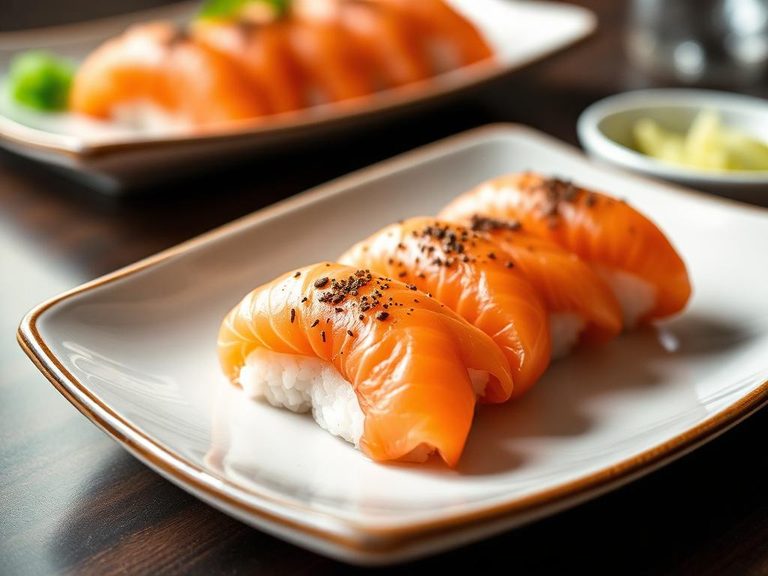
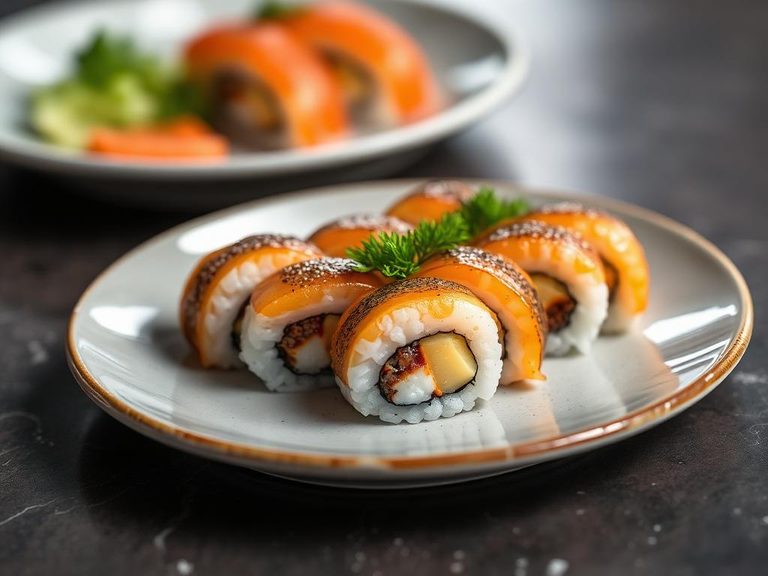
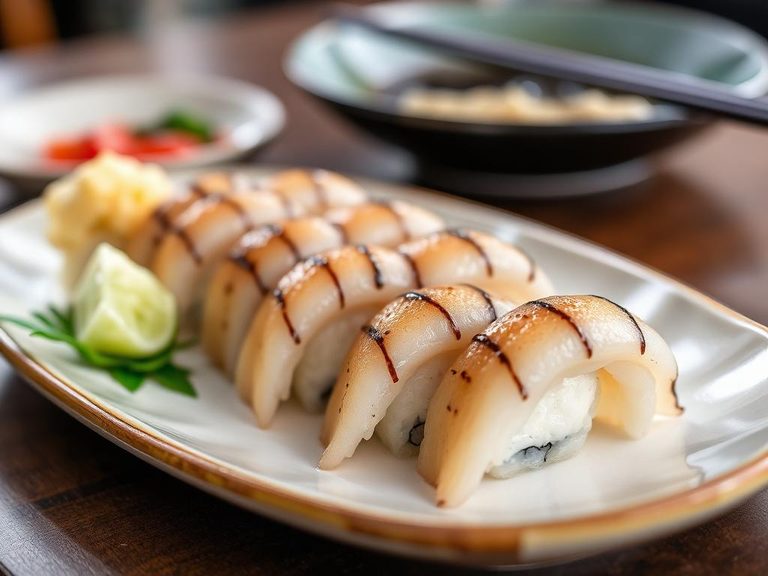
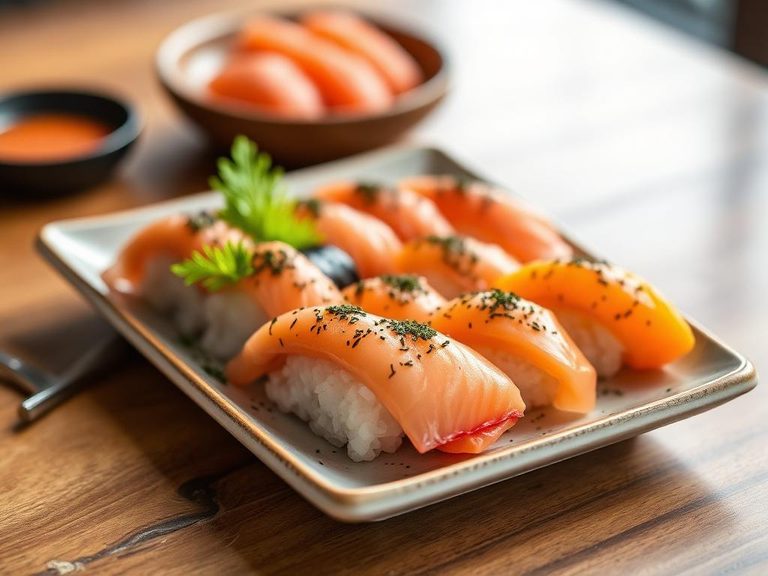
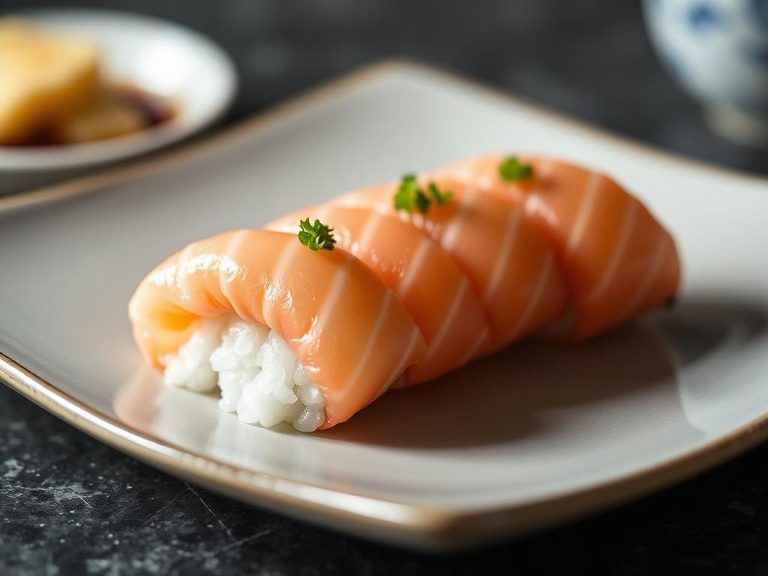
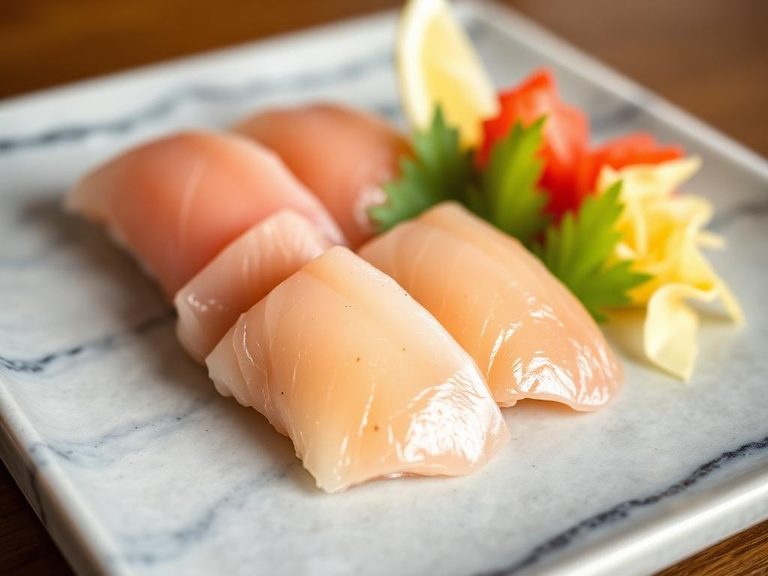
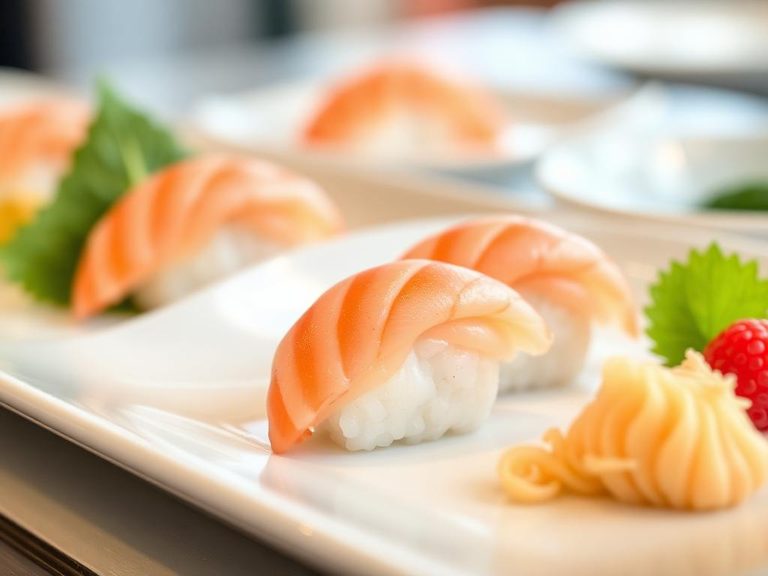
Salmon Nigiri is a classic Japanese sushi dish consisting of a slice of fresh, raw salmon draped over a small, hand-pressed mound of vinegared rice. It is a staple of Edomae-style sushi, which originated in Tokyo, and is celebrated for its simplicity and the quality of its ingredients.
🍽️ Nutrition at a glance
This dish is a good source of high-quality protein and healthy omega-3 fatty acids, while being relatively low in carbohydrates from the small amount of rice. A typical serving of two pieces contains roughly 150-200 calories.
Nutrition breakdown
| Calories | 100 kcal |
| Protein | 7 g |
| Carbs | 12 g |
| Fat | 2.5 g |
| Fiber | 0.3 g |
| Sugar | 1.5 g |
| Sodium | 280 mg |
| Selenium | 12 mcg |
| Vitamin B12 | 1.2 mcg |
| Niacin (B3) | 2.5 mg |
| Phosphorus | 120 mg |
| Omega-3 (EPA+DHA) | 400 mg |
| Vitamin D | 1.5 mcg |
| Potassium | 180 mg |
| Vitamin B6 | 0.3 mg |
Per 2 pieces (70 g) · estimated, varies by recipe
💡 What's interesting
Culturally, salmon nigiri is a relatively modern innovation in Japan, gaining popularity in the 1980s after a successful marketing campaign by Norwegian exporters to promote their salmon for sushi use. Nutritionally, it's a prime example of a balanced, nutrient-dense food, offering heart-healthy fats and protein with minimal processing.