Yellowtail Sashimi or Nigiri
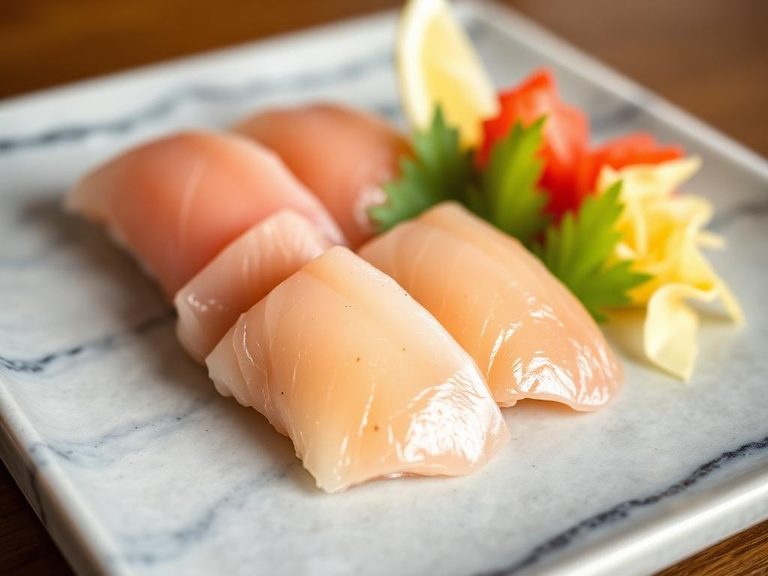
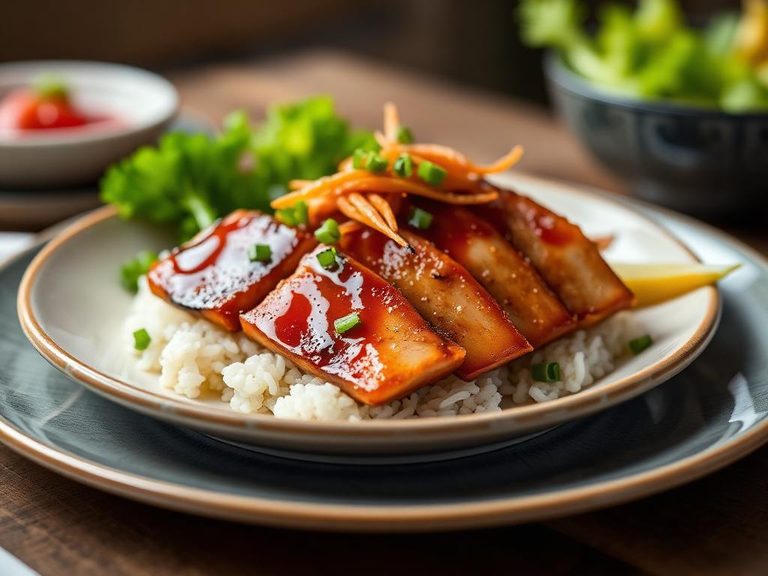
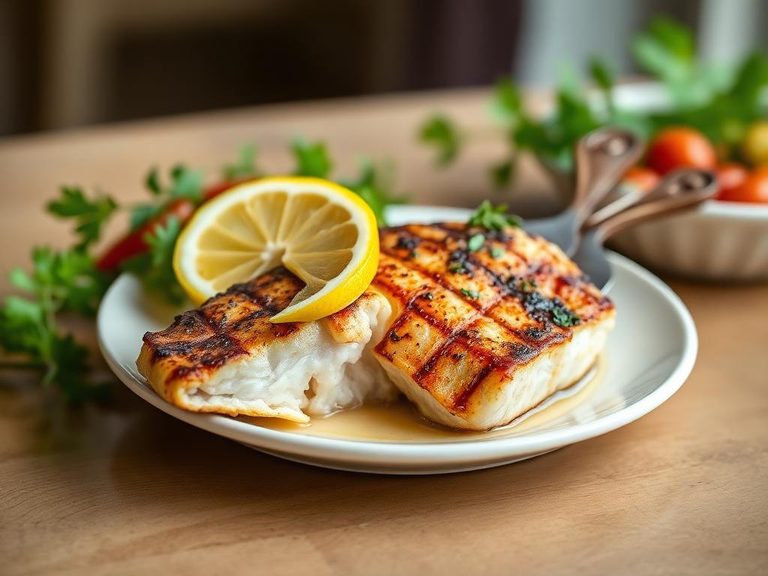
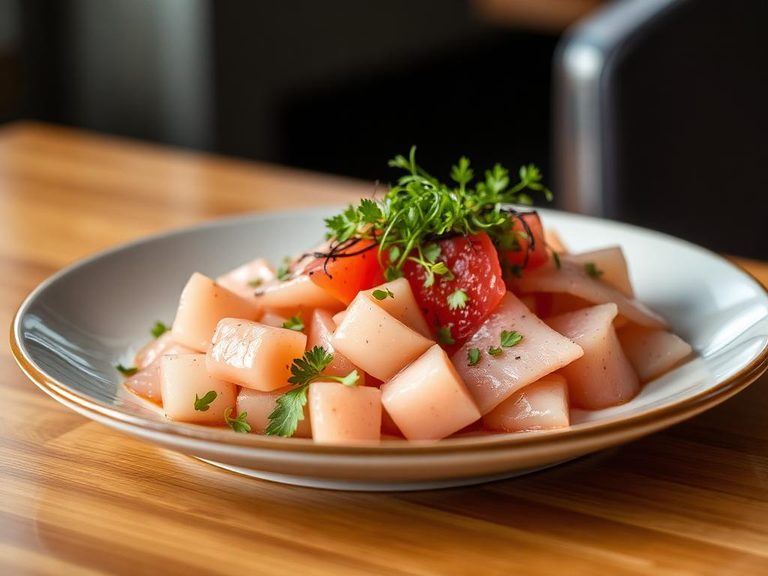
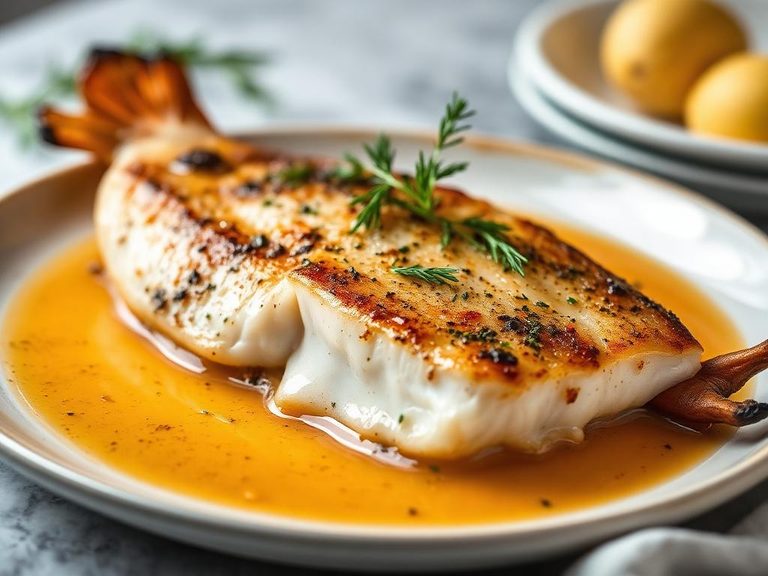
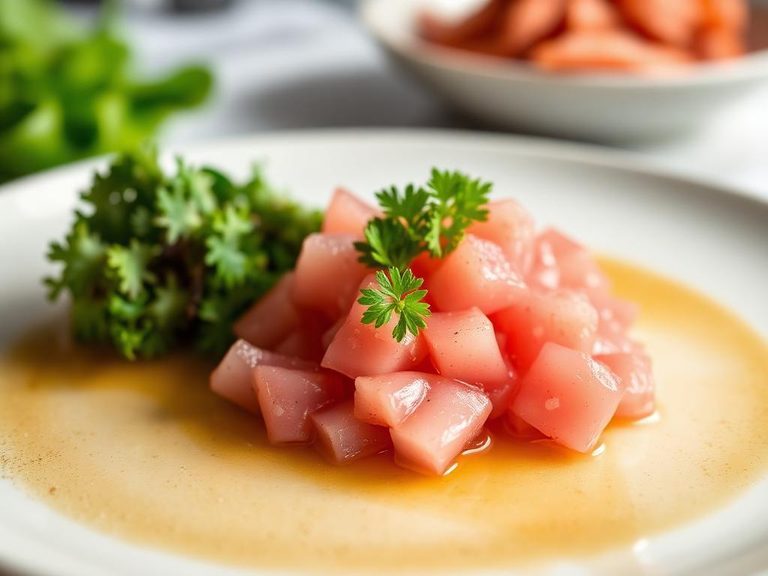
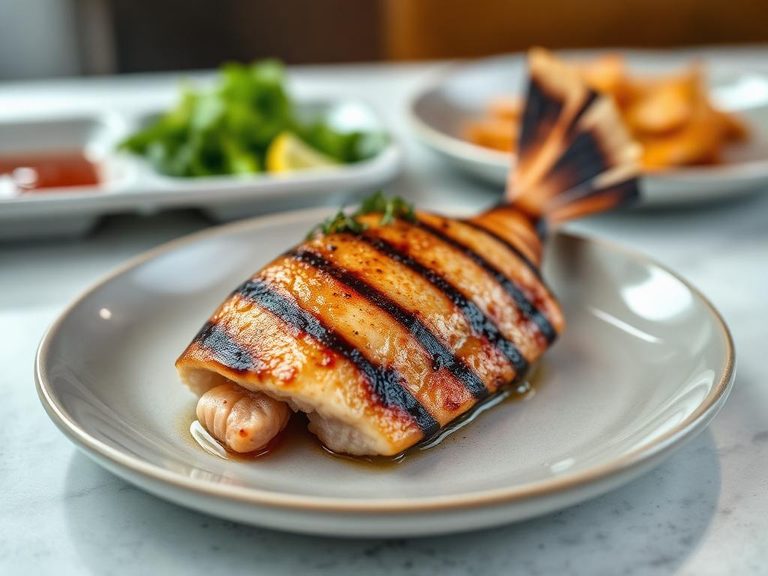
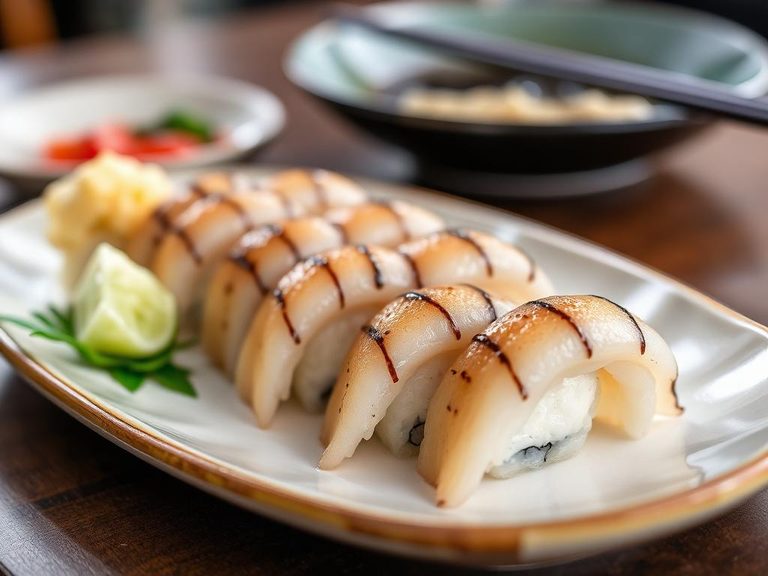
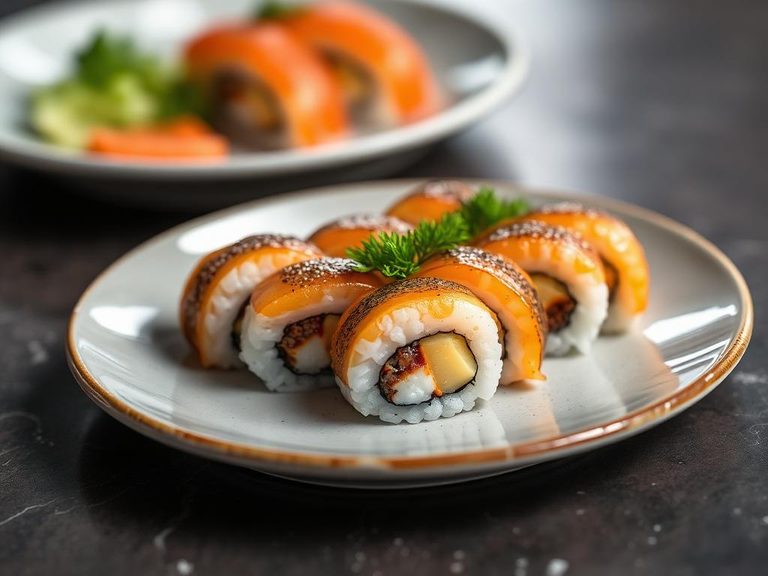
Yellowtail sashimi or nigiri is a classic Japanese sushi dish featuring slices of raw or lightly seared yellowtail (Hamachi) fish, served either on its own or atop seasoned rice. It originates from Japan, where it is celebrated for its rich, buttery flavor and smooth texture. This dish is a staple in sushi restaurants worldwide, often enjoyed as part of a sushi platter or as a standalone appetizer.
🍽️ Nutrition at a glance
Yellowtail sashimi or nigiri is high in protein and healthy fats, particularly omega-3 fatty acids, while being low in carbohydrates. A typical serving provides around 200-300 calories, along with essential nutrients like vitamin D, selenium, and B vitamins, making it a nutritious choice for balanced diets.
Nutrition breakdown
| Calories | 180 kcal |
| Protein | 22 g |
| Carbs | 4 g |
| Fat | 8 g |
| Fiber | 0 g |
| Sugar | 0 g |
| Sodium | 480 mg |
| Selenium | 45 mcg |
| Vitamin B12 | 4.8 mcg |
| Niacin (B3) | 8.5 mg |
| Phosphorus | 250 mg |
| Omega-3 (EPA+DHA) | 1.2 g |
| Vitamin D | 2.5 mcg |
| Vitamin B6 | 0.5 mg |
| Magnesium | 30 mg |
Per 4 pieces (112 g) · estimated, varies by recipe
💡 What's interesting
Culturally, yellowtail is associated with celebration and prosperity in Japan, often served during New Year's festivities. Nutritionally, its high omega-3 content supports heart health, and the practice of searing the fish (aburi style) enhances its umami flavor while preserving its delicate texture.