Yellowtail Teriyaki
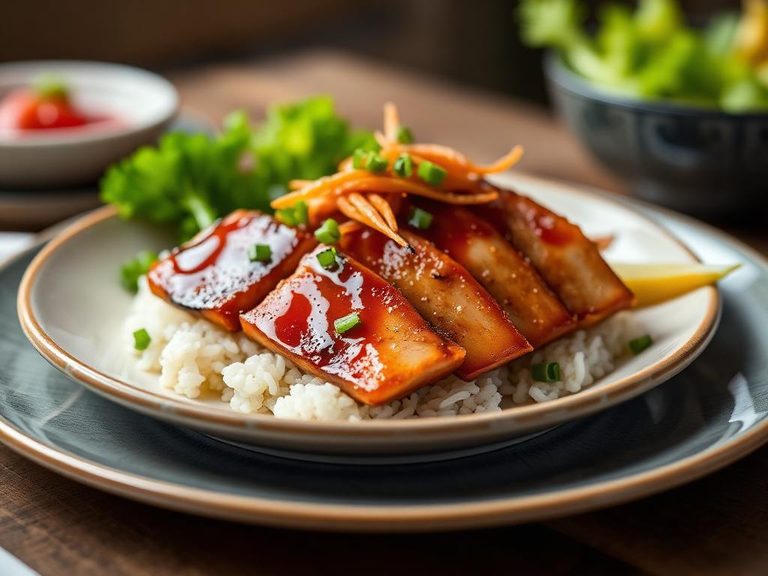
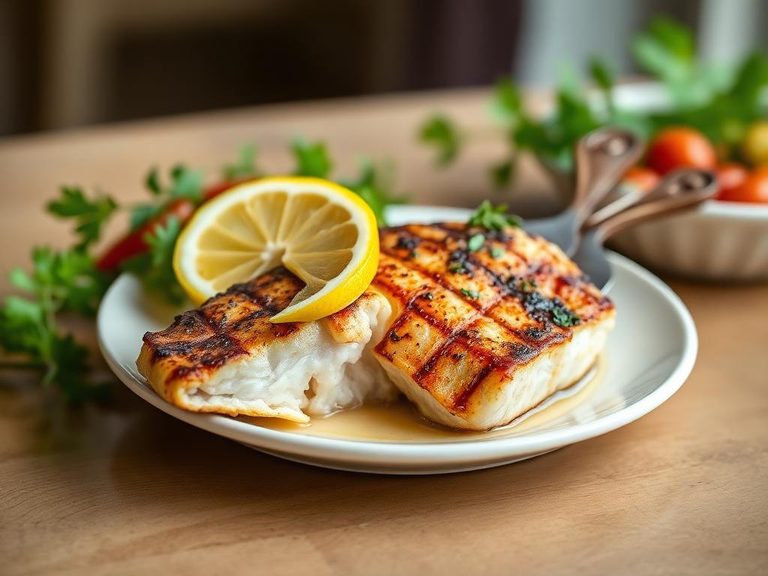
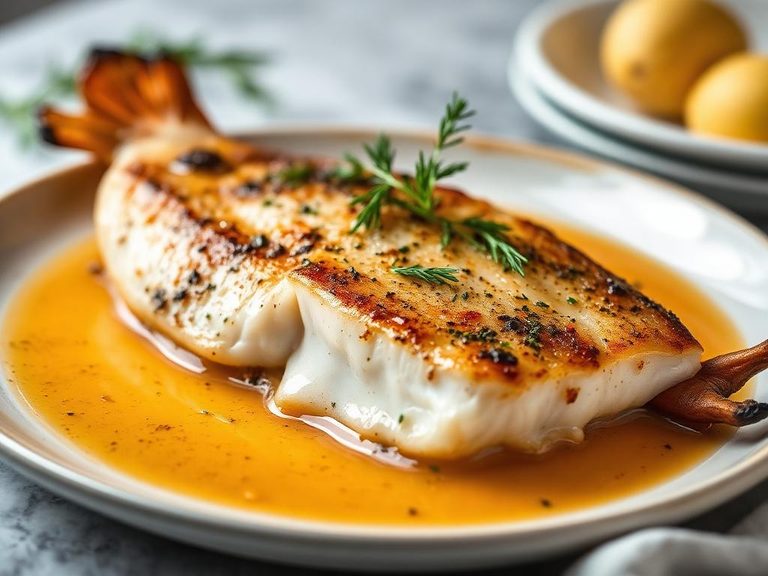
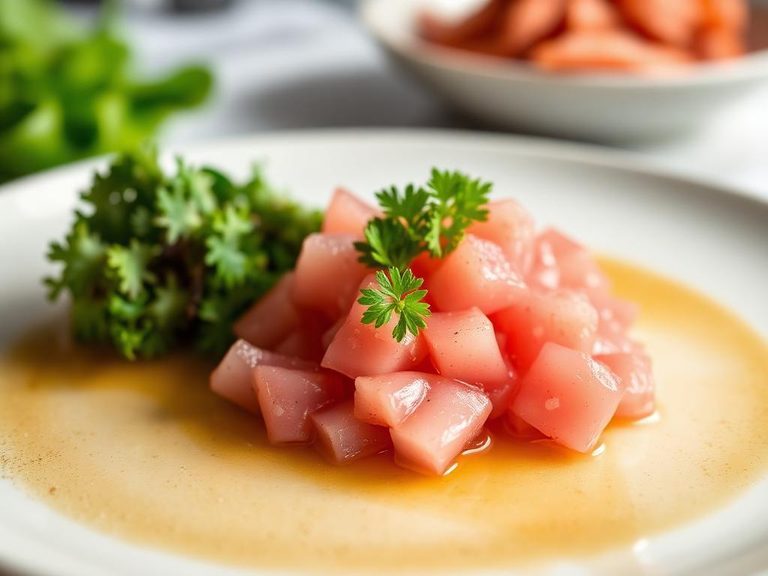
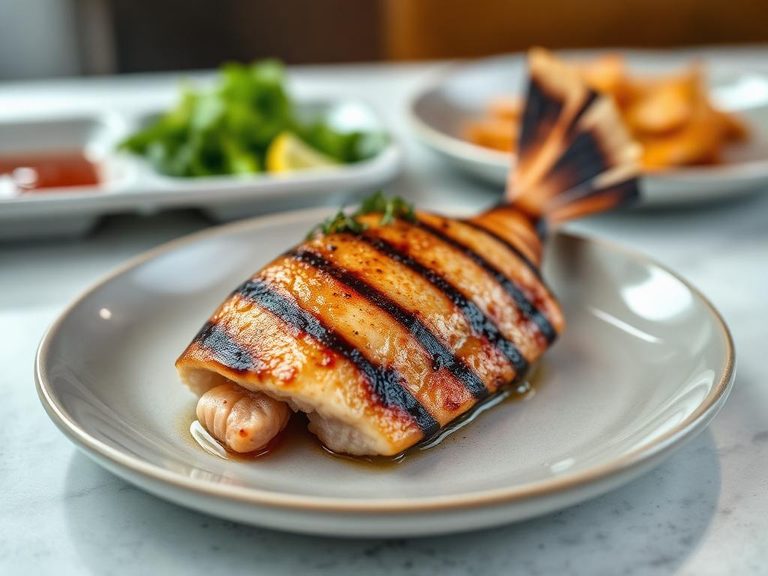
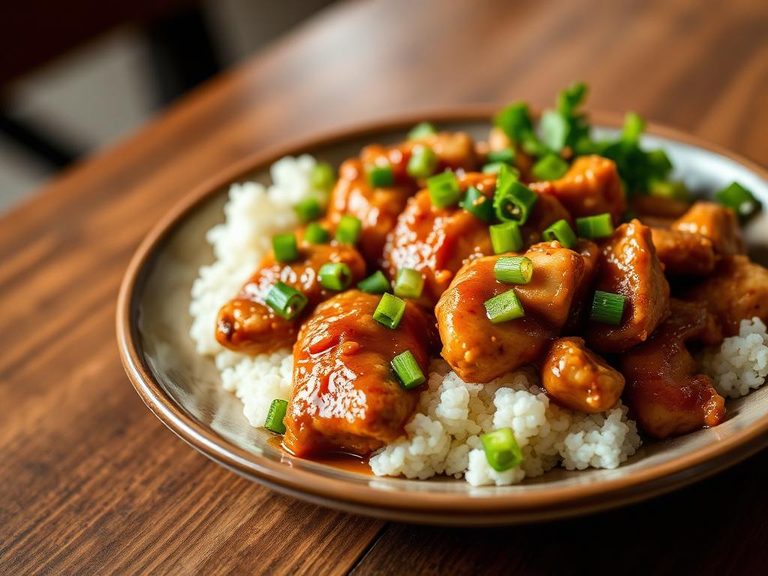
Yellowtail Teriyaki is a popular Japanese-American dish featuring grilled or pan-seared yellowtail (hamachi) fillets glazed with a sweet and savory teriyaki sauce. The sauce typically combines soy sauce, mirin, sake, and sugar, creating a caramelized coating on the fish. It's a staple in many Japanese-American restaurants and home kitchens, blending traditional Japanese flavors with American cooking styles.
🍽️ Nutrition at a glance
Yellowtail Teriyaki is a high-protein dish with moderate fat content, primarily from the fish's natural oils, and is relatively low in carbohydrates unless the sauce is heavily sweetened. A typical serving provides omega-3 fatty acids, vitamin D, and selenium, with a calorie range of approximately 300-400 per serving depending on portion size and sauce amount.
Nutrition breakdown
| Calories | 350 kcal |
| Protein | 32 g |
| Carbs | 12 g |
| Fat | 18 g |
| Fiber | 0.5 g |
| Sugar | 10 g |
| Sodium | 680 mg |
| Vitamin D | 1.5 mcg |
| Vitamin B12 | 2.8 mcg |
| Niacin (B3) | 8.5 mg |
| Selenium | 45 mcg |
| Phosphorus | 310 mg |
| Potassium | 420 mg |
| Magnesium | 40 mg |
| Omega-3 (EPA+DHA) | 1.2 g |
Per 1 fillet (180 g) · estimated, varies by recipe
💡 What's interesting
Culturally, this dish represents the fusion of Japanese culinary techniques with American ingredients and tastes, becoming a symbol of Japanese-American cuisine. Nutritionally, yellowtail is one of the richer sources of omega-3s among common fish, making it beneficial for heart and brain health when prepared with a balanced teriyaki sauce.