Sushi Nigiri
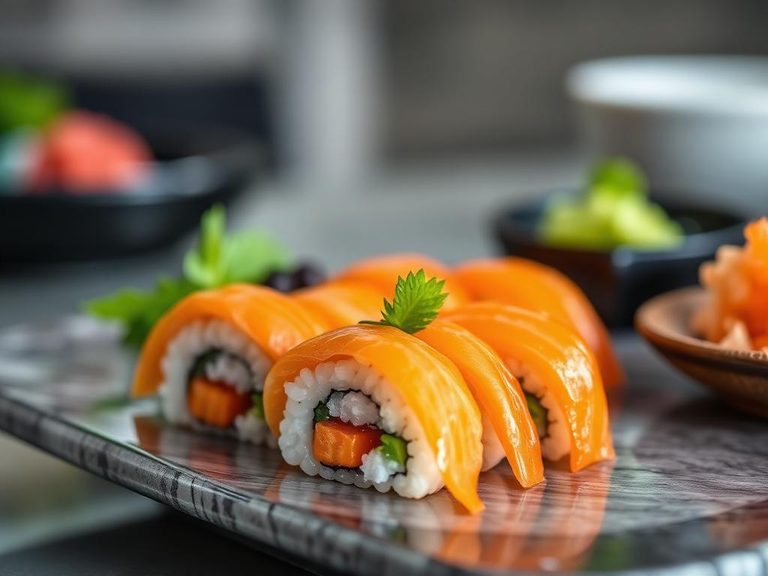
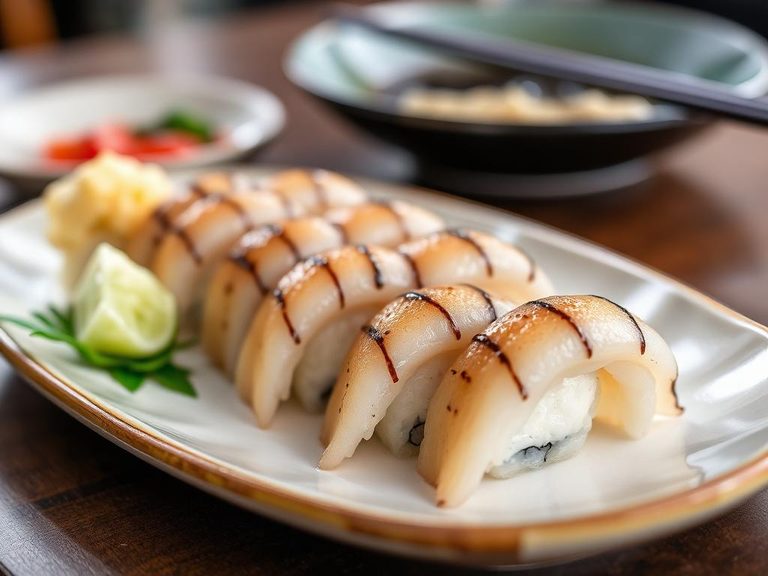
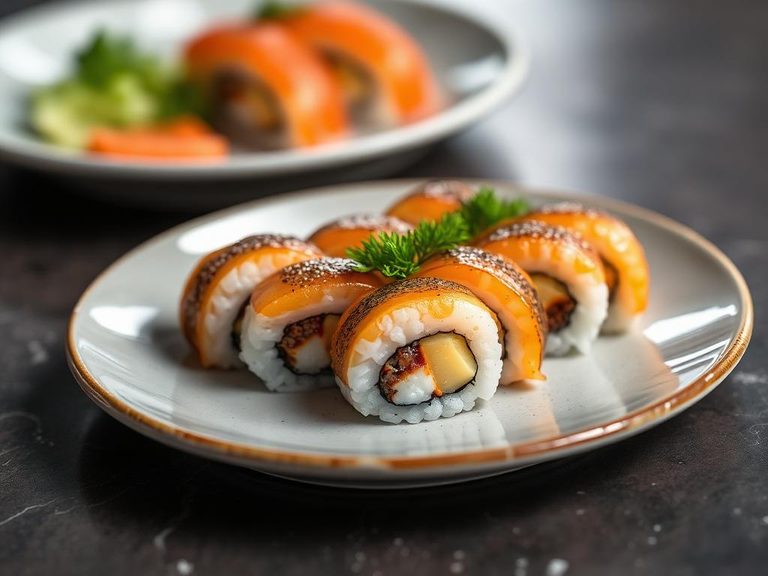
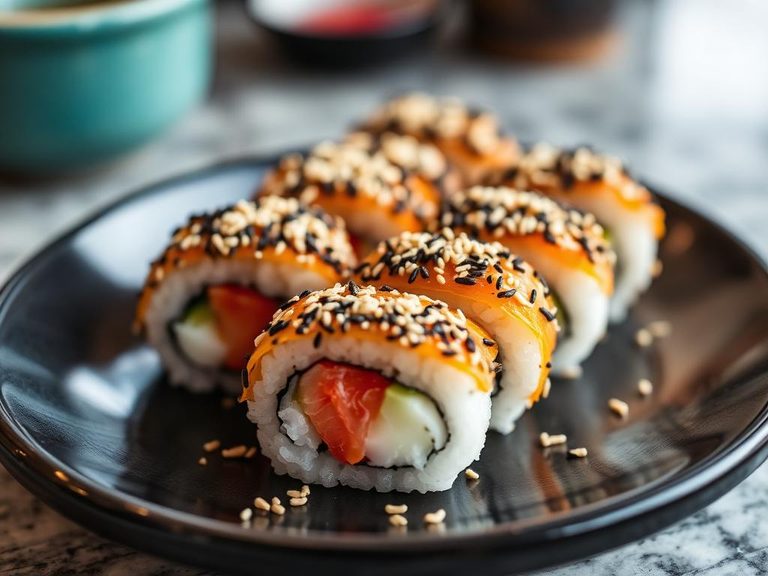
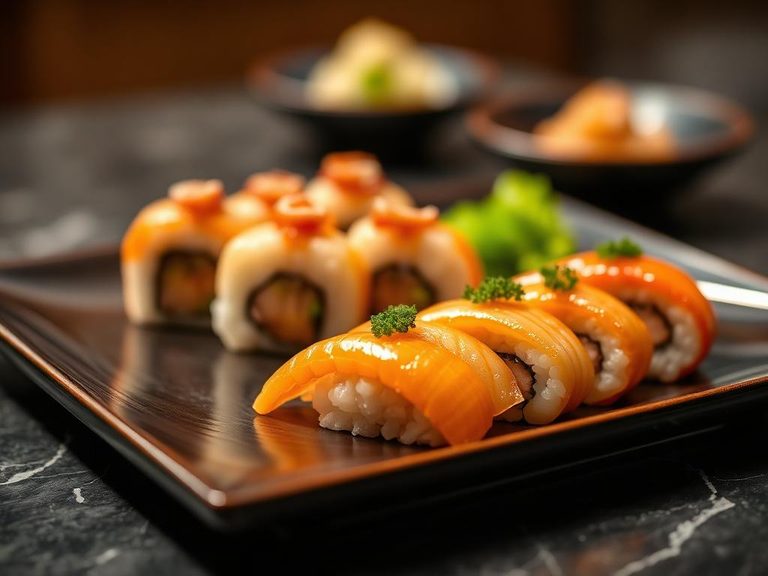
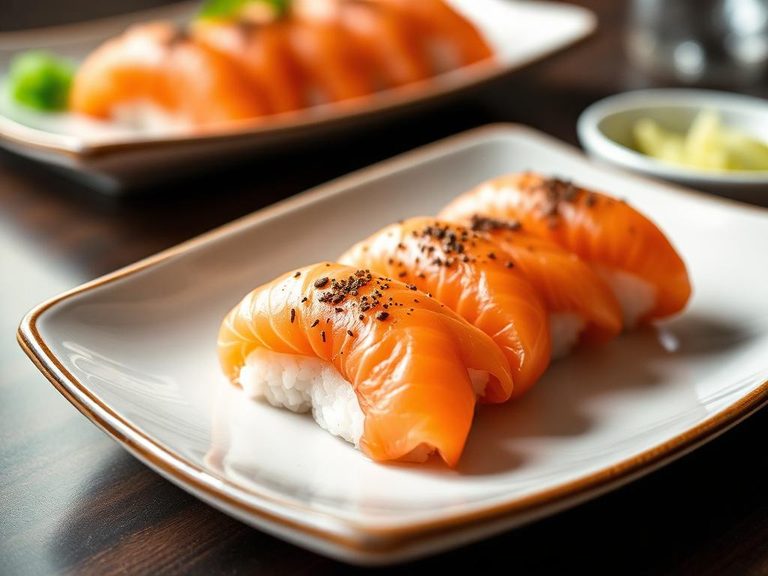
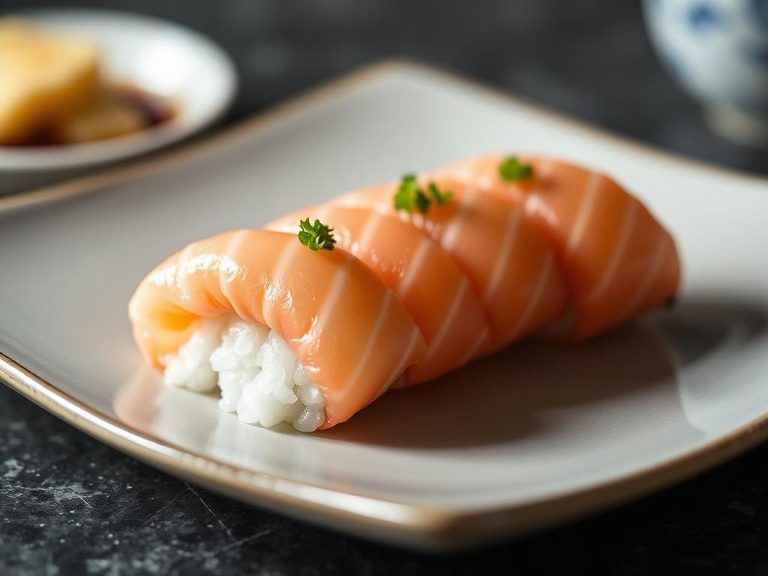
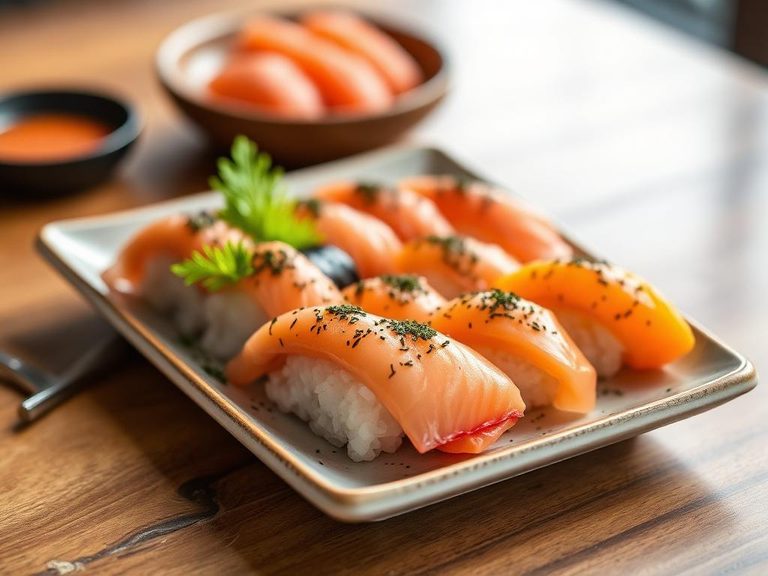
Sushi Nigiri is a classic Japanese dish consisting of a slice of raw or cooked seafood draped over a small, hand-pressed mound of vinegared rice. The name 'nigiri' means 'hand-pressed' in Japanese, highlighting the traditional technique used to form the rice. It is a cornerstone of Edomae-style sushi, which originated in Tokyo.
🍽️ Nutrition at a glance
Nigiri is a balanced dish, providing a good source of protein from the fish and carbohydrates from the rice, with a moderate amount of fat depending on the fish type. A typical serving is relatively low in calories and offers key nutrients like omega-3 fatty acids, selenium, and B vitamins.
Nutrition breakdown
| Calories | 140 kcal |
| Protein | 10 g |
| Carbs | 18 g |
| Fat | 3 g |
| Fiber | 0.5 g |
| Sugar | 2 g |
| Sodium | 320 mg |
| Selenium | 15 mcg |
| Vitamin B12 | 1.2 mcg |
| Phosphorus | 120 mg |
| Niacin (B3) | 4 mg |
| Omega-3 (EPA+DHA) | 0.5 g |
| Manganese | 0.4 mg |
| Thiamine (B1) | 0.1 mg |
| Magnesium | 25 mg |
Per 2 pieces (approx. 100 g) · estimated, varies by recipe
💡 What's interesting
Culturally, nigiri sushi was originally a fast food in 19th-century Tokyo, served at street stalls. Nutritionally, the vinegared rice not only adds flavor but also has a lower glycemic index than plain white rice, and the raw fish preserves heat-sensitive nutrients like omega-3s.