Tataki
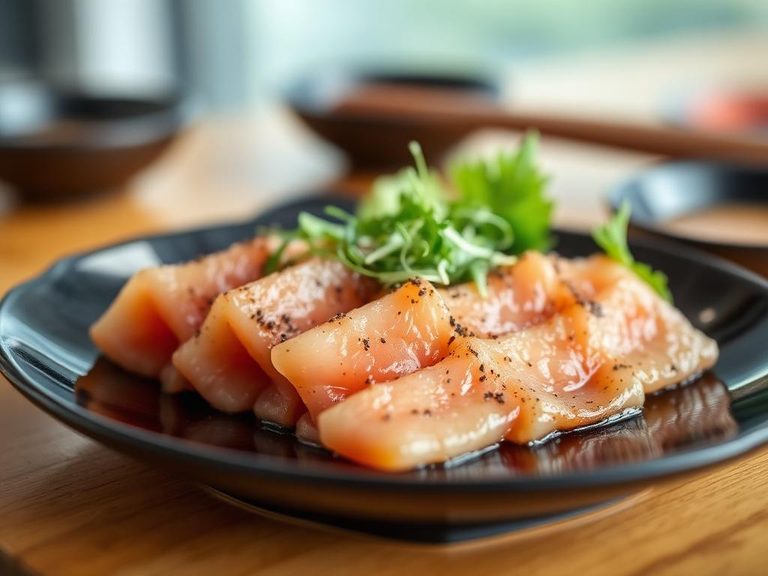
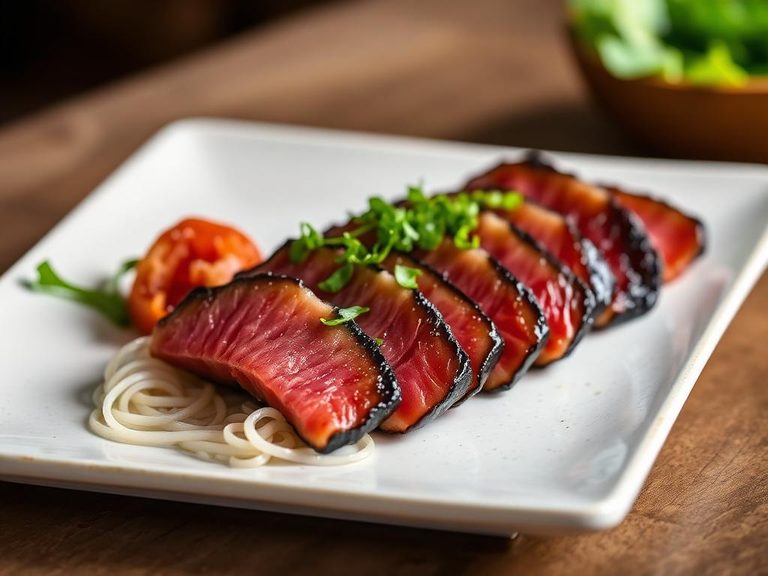
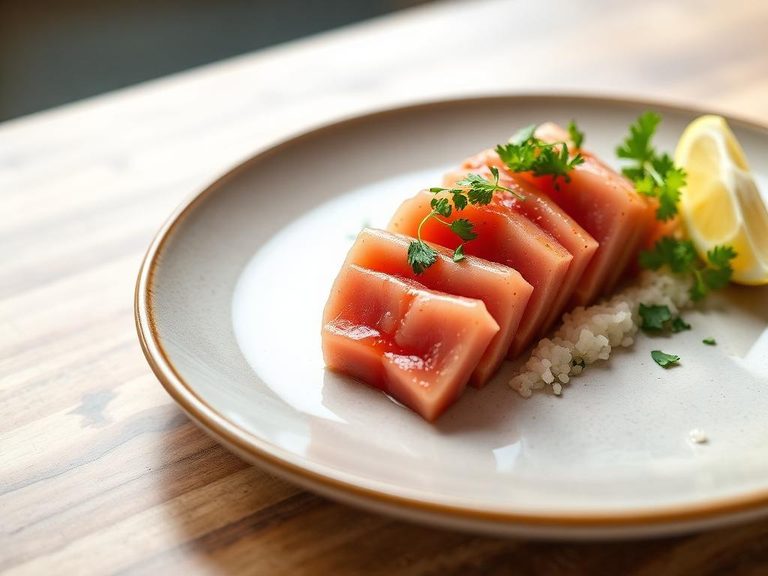
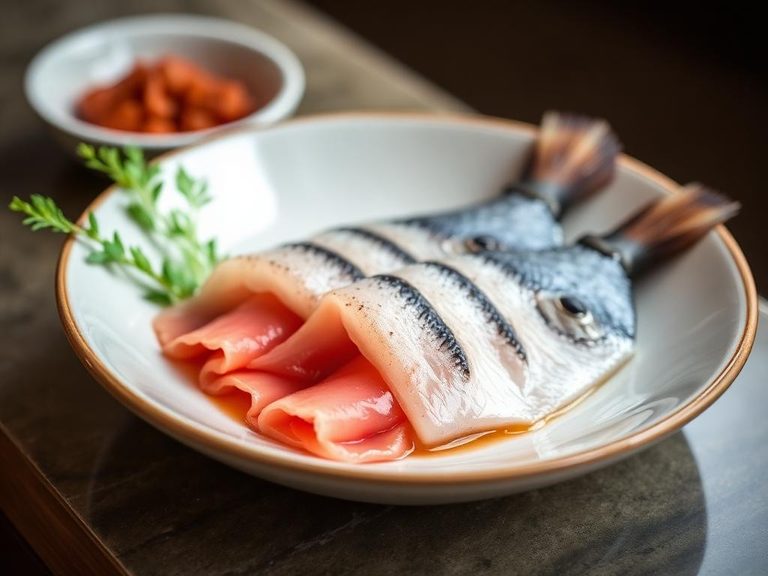
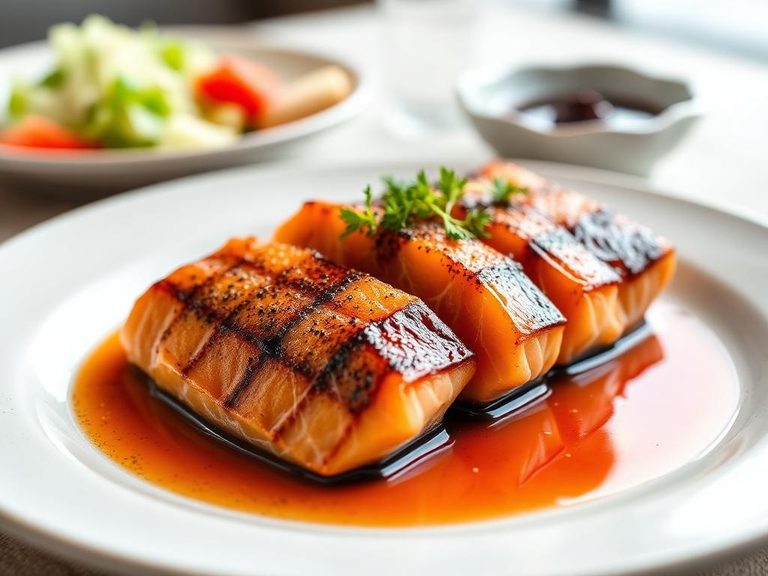
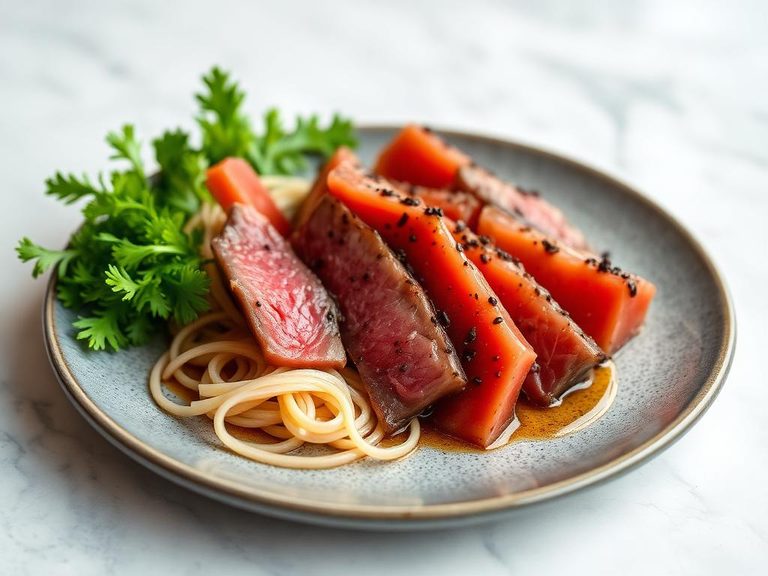
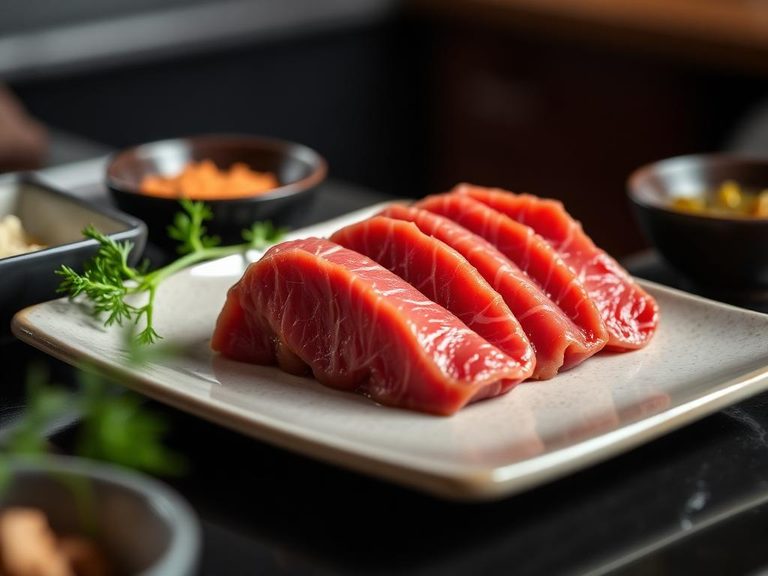
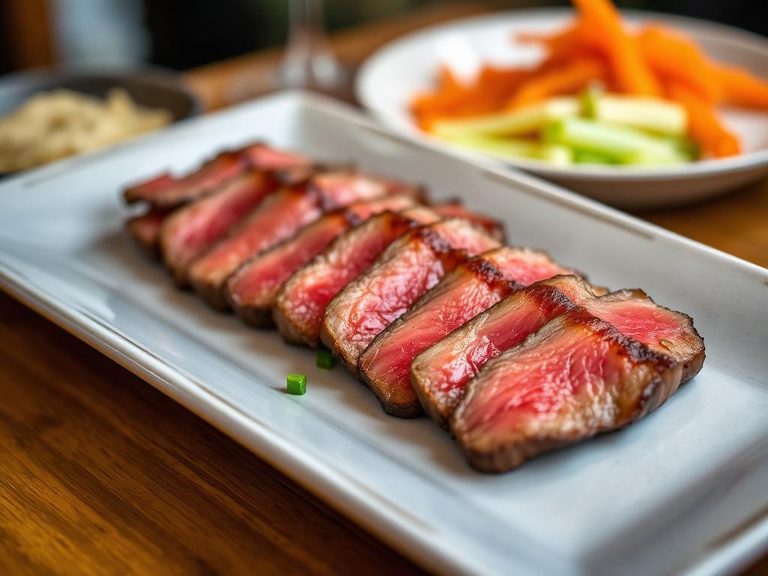
Tataki is a Japanese cooking method where meat or fish is briefly seared at a high temperature, leaving the interior rare and tender while creating a flavorful, caramelized crust. It is typically made with high-quality beef (like sirloin or tenderloin) or fish (such as bonito or tuna), then sliced thinly and served with a ponzu or soy-based dipping sauce, often garnished with ginger, garlic, and green onions. This technique originates from Japan and is a staple in both traditional and modern Japanese cuisine.
🍽️ Nutrition at a glance
Tataki is generally high in protein and low in carbohydrates, with a moderate amount of fat depending on the cut of meat or type of fish used. It provides essential nutrients like omega-3 fatty acids (if made with fish), iron, and B vitamins, and a typical serving (around 4-6 ounces) may range from 200 to 350 calories.
Nutrition breakdown
| Calories | 180 kcal |
| Protein | 25 g |
| Carbs | 2 g |
| Fat | 8 g |
| Fiber | 0 g |
| Sugar | 0 g |
| Sodium | 480 mg |
| Iron | 2.5 mg |
| Potassium | 350 mg |
| Phosphorus | 220 mg |
| Zinc | 4 mg |
| Niacin (B3) | 8 mg |
| Vitamin B12 | 3 mcg |
| Selenium | 30 mcg |
| Vitamin B6 | 0.5 mg |
Per 1 serving (150 g) · estimated, varies by recipe
💡 What's interesting
Culturally, tataki reflects the Japanese emphasis on balance—contrasting textures (crispy exterior vs. melt-in-your-mouth interior) and flavors (umami-rich sear with bright, acidic sauces). Nutritionally, the quick searing method helps retain more nutrients compared to prolonged cooking, making it a relatively healthy way to enjoy protein-rich ingredients.