

Fish, sturgeon, mixed species, raw
Whole food · Finfish and Shellfish Products
Sturgeon is a prehistoric, cartilaginous fish prized for its firm, meaty texture and clean, mild flavor that carries a subtle sweetness. Its flesh is notably lean and boneless, making it a high-protein, low-fat centerpiece for a meal. Beyond the flesh, it's the source of the world's most prized caviar.
Calorie split: 64% protein · 0% carbs · 36% fat
↓ Full nutrition💚 Why it's loved
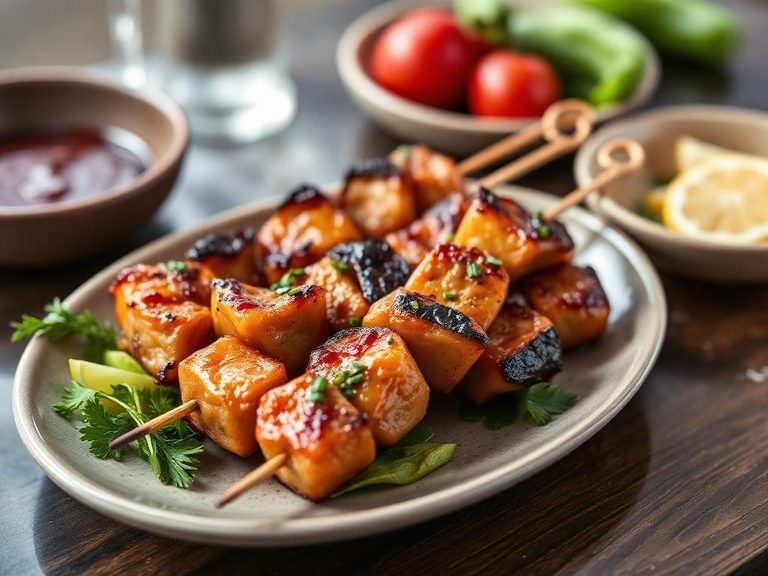
People love sturgeon for its versatile, steak-like flesh that holds up beautifully to grilling, broiling, or pan-searing, offering a sophisticated alternative to more common fish. Its cultural prestige, tied to the luxury of caviar, adds an element of culinary celebration.
⚠️ Watch-outs & how to enjoy it better
As a large, long-lived fish, certain species can accumulate higher levels of contaminants like mercury; choosing younger, farmed sturgeon from reputable sources mitigates this risk. Its dense texture can become tough if overcooked, so careful timing and using a meat thermometer are key.
Key benefits
- Excellent source of complete, high-quality protein
- Very low in fat and carbohydrates
- Rich in essential nutrients like selenium and B vitamins
- Naturally free of carbohydrates and sugars
- A sustainable choice when sourced from responsible aquaculture
🍽️ Popular dishes
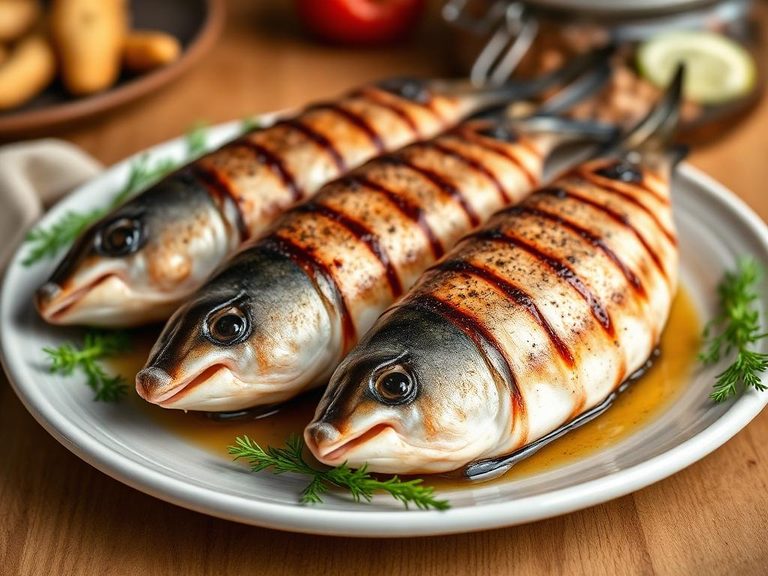
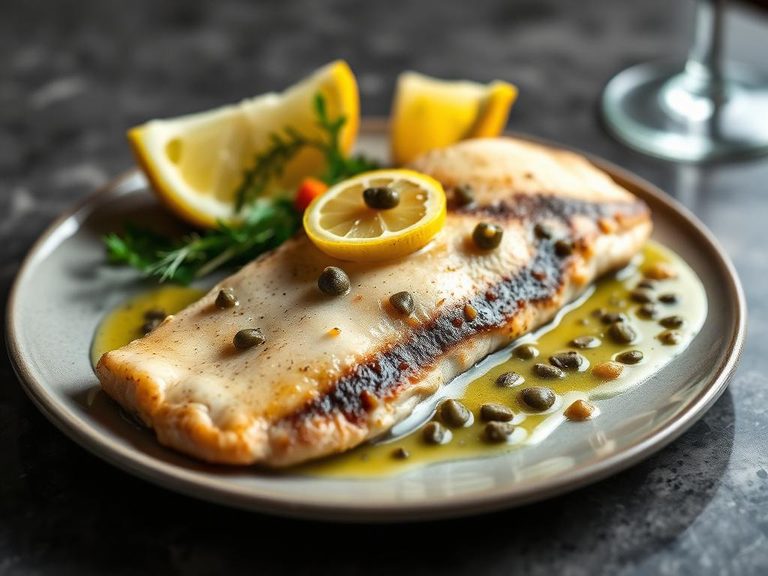
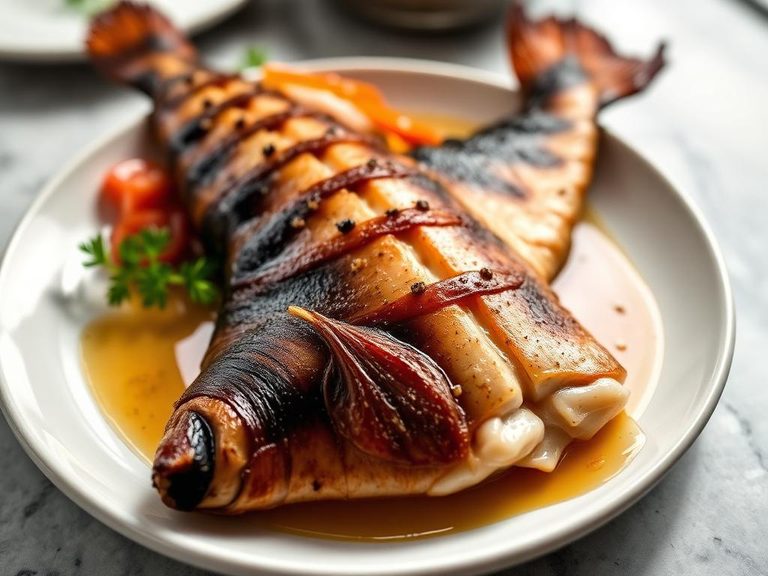
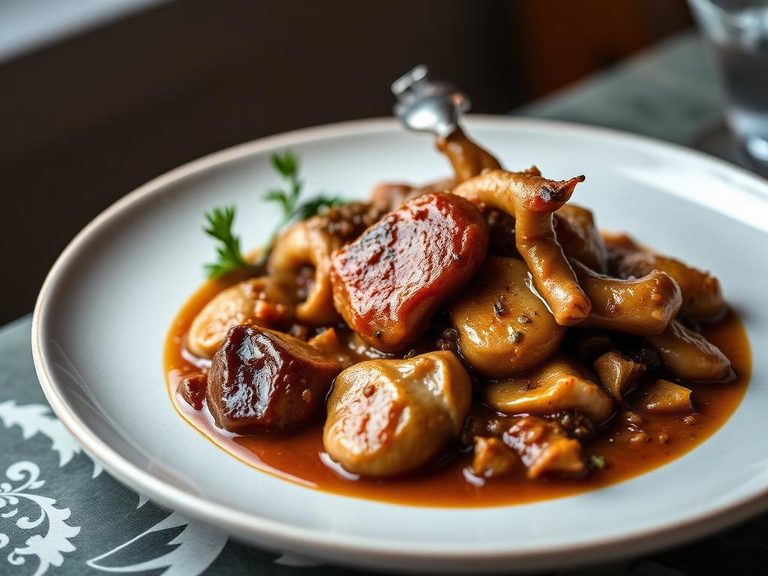
🌍 Where it's eaten
💡 Did you know?
Sturgeon are often called 'living fossils' because their lineage dates back over 200 million years, to the time of the dinosaurs, and they have changed very little since.
Full nutrition (USDA data · scales with serving)
| Water | 76.5 g |
| Energy | 105 kcal |
| Energy | 439 kj |
| Protein | 16.1 g |
| Total lipid (fat) | 4.0 g |
| Ash | 1.1 g |
| Carbohydrate, by difference | 0.00 g |
| Fiber, total dietary | 0.00 g |
| Total Sugars | 0.00 g |
| Calcium, Ca | 13.0 mg |
| Iron, Fe | 0.70 mg |
| Magnesium, Mg | 35.0 mg |
| Phosphorus, P | 211 mg |
| Potassium, K | 284 mg |
| Sodium, Na | 54.0 mg |
| Zinc, Zn | 0.42 mg |
| Copper, Cu | 0.04 mg |
| Manganese, Mn | 0.03 mg |
| Selenium, Se | 12.6 ug |
| Vitamin C, total ascorbic acid | 0.00 mg |
| Thiamin | 0.07 mg |
| Riboflavin | 0.07 mg |
| Niacin | 8.3 mg |
| Pantothenic acid | 0.75 mg |
| Vitamin B-6 | 0.20 mg |
| Folate, total | 15.0 ug |
| Folic acid | 0.00 ug |
| Folate, food | 15.0 ug |
| Folate, DFE | 15.0 ug |
| Choline, total | 56.0 mg |
| Vitamin B-12 | 2.2 ug |
| Vitamin B-12, added | 0.00 ug |
| Vitamin A, RAE | 210 ug |
| Retinol | 210 ug |
| Carotene, beta | 0.00 ug |
| Carotene, alpha | 0.00 ug |
| Cryptoxanthin, beta | 0.00 ug |
| Vitamin A, IU | 700 iu |
| Lycopene | 0.00 ug |
| Lutein + zeaxanthin | 0.00 ug |
| Vitamin E (alpha-tocopherol) | 0.50 mg |
| Vitamin E, added | 0.00 mg |
| Vitamin D (D2 + D3), International Units | 412 iu |
| Vitamin D (D2 + D3) | 10.3 ug |
| Vitamin D3 (cholecalciferol) | 10.3 ug |
| Vitamin K (phylloquinone) | 0.10 ug |
| Alcohol, ethyl | 0.00 g |
| Caffeine | 0.00 mg |
| Theobromine | 0.00 mg |
Fat & fatty acid profile (per 100g)
| Fatty acids, total saturated | 0.92 g |
| SFA 4:0 | 0.00 g |
| SFA 6:0 | 0.00 g |
| SFA 8:0 | 0.00 g |
| SFA 10:0 | 0.00 g |
| SFA 12:0 | 0.00 g |
| SFA 14:0 | 0.15 g |
| SFA 16:0 | 0.69 g |
| SFA 18:0 | 0.08 g |
| Fatty acids, total monounsaturated | 1.9 g |
| MUFA 16:1 | 0.41 g |
| MUFA 18:1 | 1.4 g |
| MUFA 20:1 | 0.05 g |
| MUFA 22:1 | 0.02 g |
| Fatty acids, total polyunsaturated | 0.69 g |
| PUFA 18:2 | 0.07 g |
| PUFA 18:3 | 0.10 g |
| PUFA 18:4 | 0.13 g |
| PUFA 20:4 | 0.06 g |
| PUFA 20:5 n-3 (EPA) | 0.19 g |
| PUFA 22:5 n-3 (DPA) | 0.04 g |
| PUFA 22:6 n-3 (DHA) | 0.09 g |
| Cholesterol | 60.0 mg |
Amino acid profile (per 100g)
| Tryptophan | 0.18 g |
| Threonine | 0.71 g |
| Isoleucine | 0.74 g |
| Leucine | 1.3 g |
| Lysine | 1.5 g |
| Methionine | 0.48 g |
| Cystine | 0.17 g |
| Phenylalanine | 0.63 g |
| Tyrosine | 0.55 g |
| Valine | 0.83 g |
| Arginine | 0.97 g |
| Histidine | 0.47 g |
| Alanine | 0.98 g |
| Aspartic acid | 1.7 g |
| Glutamic acid | 2.4 g |
| Glycine | 0.78 g |
| Proline | 0.57 g |
| Serine | 0.66 g |
FAQ
Is sturgeon the same as caviar?
No, caviar is the salt-cured roe (eggs) from a sturgeon. The meat of the fish itself is a separate, distinct product.
How do I cook sturgeon without it drying out?
Sturgeon is best cooked to an internal temperature of 145°F (63°C). Methods like grilling, broiling, or pan-searing with a quick finish in the oven work well. Marinating can also help retain moisture.
Is farmed sturgeon a sustainable choice?
Yes, farmed sturgeon is often a more sustainable and environmentally responsible choice than wild-caught, as it helps reduce pressure on wild populations and ecosystems. Look for certifications like ASC.
Nutrient density (calculated · NRF9.3)
Nutrient Rich Foods index: beneficial nutrients (protein, fiber, vitamins, minerals) minus saturated fat, added sugar & sodium, per 100 kcal.
NRF9.3 index — Fulgoni, Keast & Drewnowski, 2009. Computed from USDA nutrients.
Weight-loss friendliness (composite index)
Energy density 1.05 kcal/g · 61% calories from protein · 0.0 g fiber · 0.0 g sugar per 100 g.
Composite of energy density (Rolls et al., 1999), protein & fiber satiety, minus sugar. A calculated heuristic — ranks satiety-per-calorie, not a clinical measure.
Dietary load (calculated from USDA values)
Potential renal acid load. Positive = acid-forming, negative = alkaline-forming.
Sodium-to-potassium ratio: 0.19 (lower is better — aim for ≤ 1)
Sodium:potassium per WHO potassium guidance. Computed from USDA nutrients.