

Crackers, sandwich-type, peanut butter filled, reduced fat
Whole food · Baked Products
These are the classic, pocket-sized sandwich crackers where a crisp, savory cracker shell embraces a creamy peanut butter filling. The reduced-fat version maintains that signature salty-sweet crunch and satisfying texture, but with a lighter nutritional profile. Per 100g, they pack a notable 8.33g of protein and 16.67g of fat, making them a more substantial snack than many plain crackers.
Calorie split: 8% protein · 58% carbs · 34% fat
↓ Full nutrition💚 Why it's loved
People love them for the perfect marriage of textures—the crisp, salty cracker and the smooth, sweet peanut butter center. They are a nostalgic, portable staple for lunchboxes, road trips, and quick hunger fixes, embodying a classic American snack culture.
⚠️ Watch-outs & how to enjoy it better
The combination of refined carbs and added sugar can lead to blood-sugar spikes, and they are a common allergen due to peanuts. To counteract this, pair a small portion (about 5-6 crackers) with a source of fiber or extra protein, like an apple or a piece of cheese, to slow digestion and promote satiety.
Key benefits
- Convenient, shelf-stable, no-prep snack
- Provides plant-based protein from peanut butter
- Offers quick energy from carbohydrates
- The reduced-fat formulation lowers overall fat content
- Satisfies both salty and sweet cravings
🍽️ Popular dishes
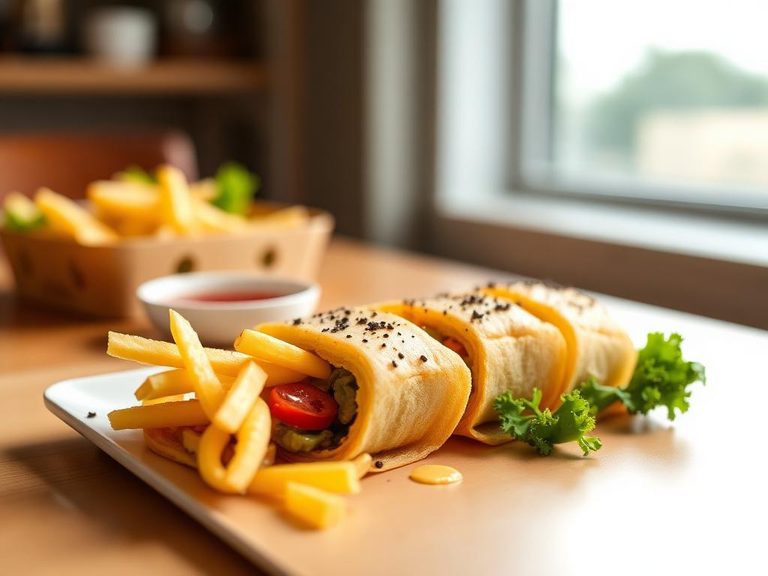
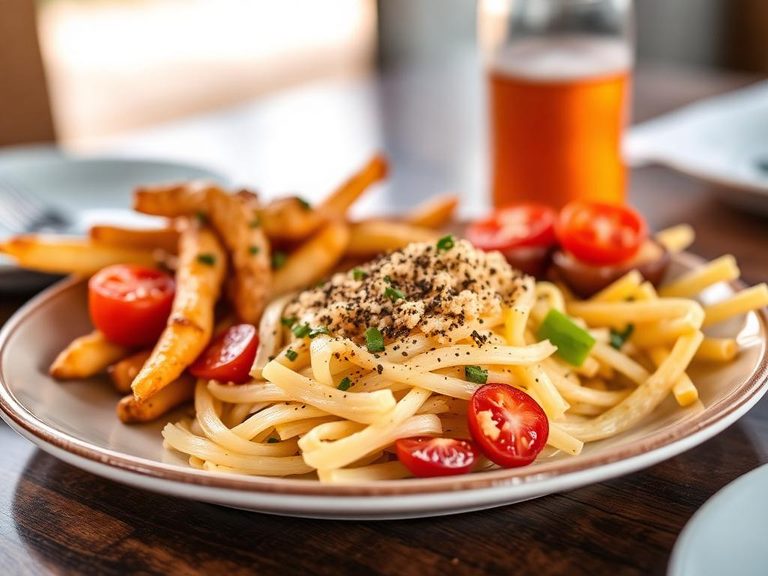
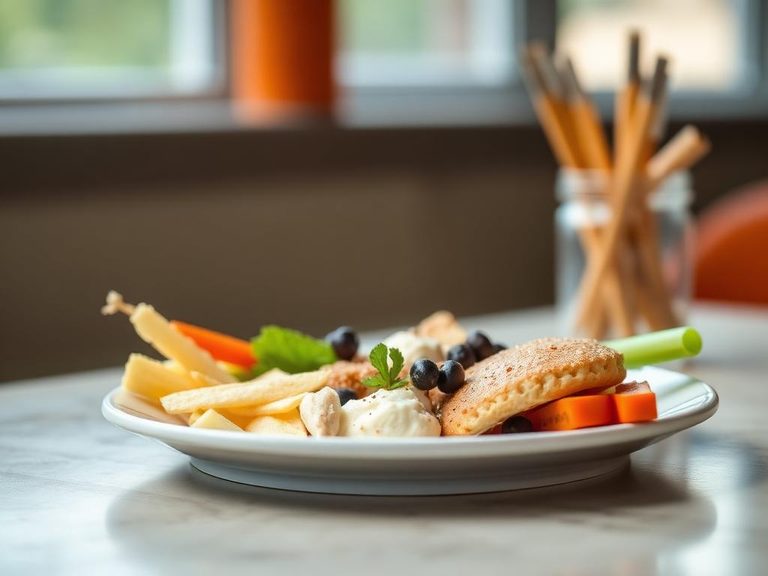
🌍 Where it's eaten
💡 Did you know?
The iconic sandwich cracker format was patented in the United States in 1903 by the National Biscuit Company (now Nabisco), which later popularized the Pepperidge Farm brand known for its varieties.
Full nutrition (USDA data · scales with serving)
| Water | 9.3 g |
| Energy | 437 kcal |
| Energy | 1830 kj |
| Protein | 8.3 g |
| Total lipid (fat) | 16.7 g |
| Ash | 2.2 g |
| Carbohydrate, by difference | 63.5 g |
| Fiber, total dietary | 2.8 g |
| Total Sugars | 11.1 g |
| Calcium, Ca | 0.00 mg |
| Iron, Fe | 3.0 mg |
| Magnesium, Mg | 30.0 mg |
| Phosphorus, P | 97.0 mg |
| Potassium, K | 122 mg |
| Sodium, Na | 639 mg |
| Zinc, Zn | 0.67 mg |
| Copper, Cu | 0.13 mg |
| Selenium, Se | 19.5 ug |
| Vitamin C, total ascorbic acid | 0.00 mg |
| Thiamin | 0.45 mg |
| Riboflavin | 0.30 mg |
| Niacin | 4.7 mg |
| Pantothenic acid | 0.37 mg |
| Vitamin B-6 | 0.07 mg |
| Folate, total | 111 ug |
| Folic acid | 86.0 ug |
| Folate, food | 26.0 ug |
| Folate, DFE | 171 ug |
| Choline, total | 13.1 mg |
| Vitamin B-12 | 0.00 ug |
| Vitamin B-12, added | 0.00 ug |
| Vitamin A, RAE | 0.00 ug |
| Retinol | 0.00 ug |
| Carotene, beta | 0.00 ug |
| Carotene, alpha | 0.00 ug |
| Cryptoxanthin, beta | 0.00 ug |
| Vitamin A, IU | 0.00 iu |
| Lycopene | 0.00 ug |
| Lutein + zeaxanthin | 10.0 ug |
| Vitamin E (alpha-tocopherol) | 1.9 mg |
| Vitamin E, added | 0.00 mg |
| Vitamin D (D2 + D3), International Units | 0.00 iu |
| Vitamin D (D2 + D3) | 0.00 ug |
| Vitamin K (phylloquinone) | 3.0 ug |
| Alcohol, ethyl | 0.00 g |
| Caffeine | 0.00 mg |
| Theobromine | 0.00 mg |
Fat & fatty acid profile (per 100g)
| Fatty acids, total saturated | 2.8 g |
| SFA 4:0 | 0.00 g |
| SFA 6:0 | 0.00 g |
| SFA 8:0 | 0.00 g |
| SFA 10:0 | 0.00 g |
| SFA 12:0 | 0.00 g |
| SFA 14:0 | 0.02 g |
| SFA 15:0 | 0.00 g |
| SFA 16:0 | 1.5 g |
| SFA 17:0 | 0.01 g |
| SFA 18:0 | 0.96 g |
| SFA 20:0 | 0.07 g |
| SFA 22:0 | 0.14 g |
| SFA 24:0 | 0.05 g |
| Fatty acids, total monounsaturated | 5.6 g |
| MUFA 14:1 | 0.00 g |
| MUFA 15:1 | 0.00 g |
| MUFA 16:1 | 0.01 g |
| MUFA 17:1 | 0.00 g |
| MUFA 18:1 | 5.5 g |
| MUFA 20:1 | 0.05 g |
| MUFA 22:1 | 0.00 g |
| MUFA 24:1 c | 0.00 g |
| Fatty acids, total polyunsaturated | 6.9 g |
| PUFA 18:2 | 6.7 g |
| PUFA 18:3 | 0.06 g |
| PUFA 18:4 | 0.00 g |
| PUFA 20:2 n-6 c,c | 0.00 g |
| PUFA 20:3 | 0.00 g |
| PUFA 20:4 | 0.01 g |
| PUFA 20:5 n-3 (EPA) | 0.00 g |
| PUFA 22:4 | 0.00 g |
| PUFA 22:5 n-3 (DPA) | 0.00 g |
| PUFA 22:6 n-3 (DHA) | 0.00 g |
| Fatty acids, total trans | 0.00 g |
| Cholesterol | 0.00 mg |
Amino acid profile (per 100g)
Estimated from Crackers, cheese, sandwich-type with cheese filling — USDA does not publish this profile for Crackers.
| Tryptophan | 0.11 g |
| Threonine | 0.33 g |
| Isoleucine | 0.36 g |
| Leucine | 0.64 g |
| Lysine | 0.39 g |
| Methionine | 0.15 g |
| Cystine | 0.15 g |
| Phenylalanine | 0.35 g |
| Tyrosine | 0.25 g |
| Valine | 0.38 g |
| Arginine | 0.29 g |
| Histidine | 0.17 g |
| Alanine | 0.30 g |
| Aspartic acid | 0.52 g |
| Glutamic acid | 2.2 g |
| Glycine | 0.24 g |
| Proline | 0.77 g |
| Serine | 0.40 g |
FAQ
How does the reduced-fat version differ nutritionally from the regular?
It typically has about 25-30% less fat per serving, achieved by modifying the cracker dough and peanut butter filling, often resulting in a slightly lighter texture.
Are these a good source of protein?
With 8.33g per 100g, they offer a moderate amount of plant-based protein from peanuts, making them more protein-rich than many plain crackers or cookies.
Can I eat these on a gluten-free diet?
Standard versions contain wheat flour and are not gluten-free. You would need to seek out specifically labeled gluten-free sandwich crackers.
Nutrient density (calculated · NRF9.3)
Nutrient Rich Foods index: beneficial nutrients (protein, fiber, vitamins, minerals) minus saturated fat, added sugar & sodium, per 100 kcal.
NRF9.3 index — Fulgoni, Keast & Drewnowski, 2009. Computed from USDA nutrients.
Weight-loss friendliness (composite index)
Energy density 4.37 kcal/g · 8% calories from protein · 2.8 g fiber · 11.1 g sugar per 100 g.
Composite of energy density (Rolls et al., 1999), protein & fiber satiety, minus sugar. A calculated heuristic — ranks satiety-per-calorie, not a clinical measure.
Dietary load (calculated from USDA values)
Potential renal acid load. Positive = acid-forming, negative = alkaline-forming.
Sodium-to-potassium ratio: 5.24 (lower is better — aim for ≤ 1)
Sodium:potassium per WHO potassium guidance. Computed from USDA nutrients.