

Corn flour, whole-grain, blue (harina de maiz morado)
Whole food · Cereal Grains and Pasta

Photo: Wikipedia
Blue corn flour, or harina de maíz morado, is a vibrant, whole-grain flour ground from blue maize kernels, prized for its deep, nutty flavor and slightly coarser texture than standard corn flour. Its striking purple-blue hue comes from anthocyanins, powerful antioxidants that also lend a subtle earthy, almost berry-like note. It's a nutritional powerhouse, offering a solid 8.75g of protein and 8.4g of fiber per 100g, making it a more nutrient-dense alternative to refined flours.
Calorie split: 9% protein · 79% carbs · 12% fat
↓ Full nutrition💚 Why it's loved
People love it for its unique, deep flavor that elevates simple dishes like tortillas and tamales, and for its stunning color that makes food visually appealing. It's a cornerstone of traditional Mexican and Southwestern cuisine, connecting people to cultural heritage and ancestral cooking methods.
⚠️ Watch-outs & how to enjoy it better
Its high carbohydrate content (73.89g per 100g) can cause blood-sugar spikes if consumed in large portions without balancing nutrients. To counteract this, pair it with protein (like beans or cheese) and healthy fats (like avocado or olive oil) to slow digestion and stabilize glucose levels. Also, some individuals may find the denser texture less palatable if not prepared correctly; soaking or fermenting the dough (as in traditional masa) can improve digestibility.
Key benefits
- Rich in anthocyanins, potent antioxidants linked to reduced inflammation.
- Higher in protein and fiber than refined corn or wheat flours.
- Naturally gluten-free, suitable for those with celiac disease or gluten sensitivity.
- Provides complex carbohydrates for sustained energy release.
- Contains essential minerals like iron and magnesium from the whole grain.
🍽️ Popular dishes
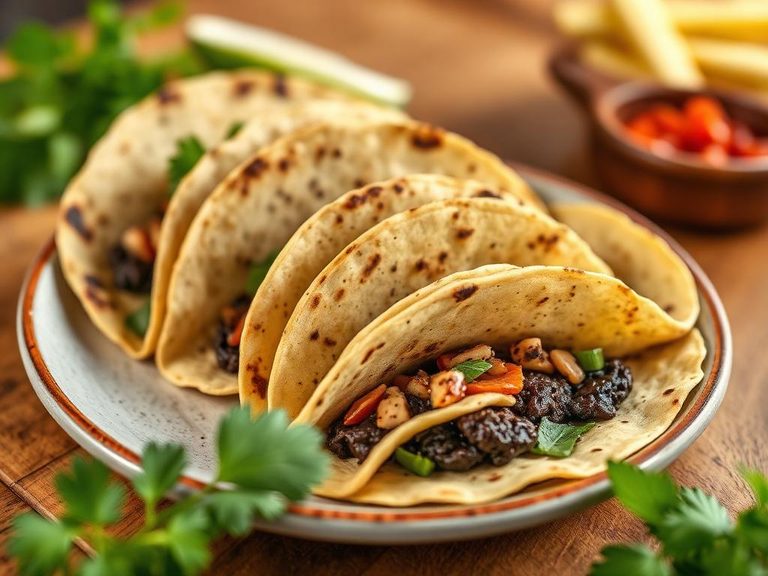
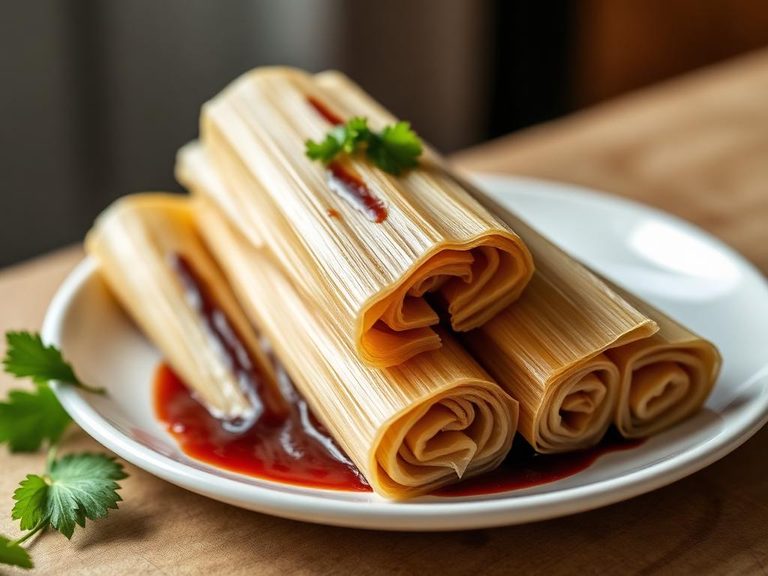
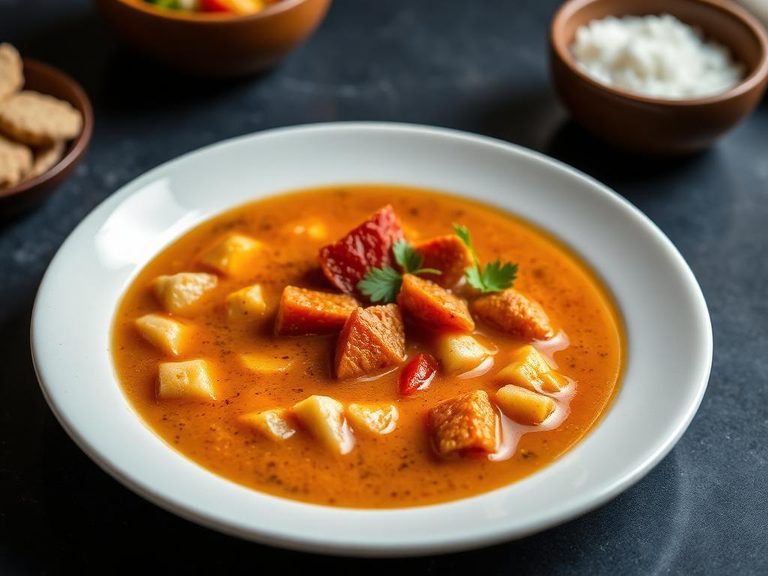
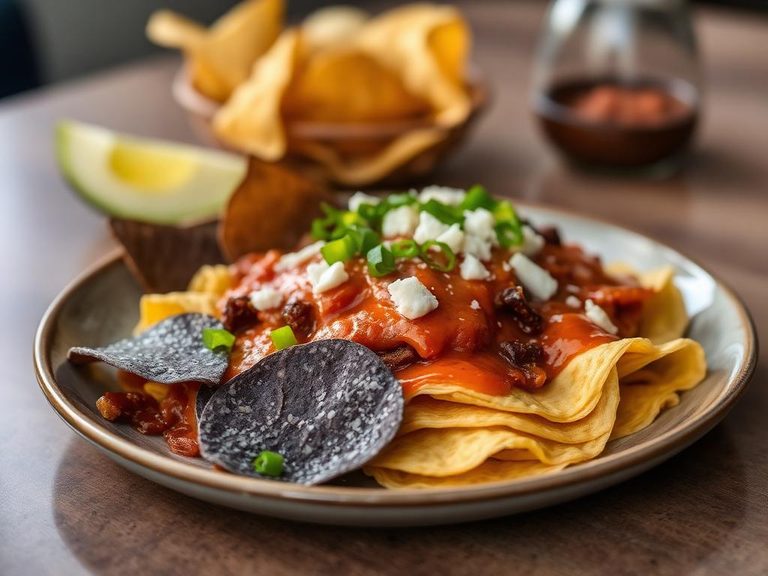
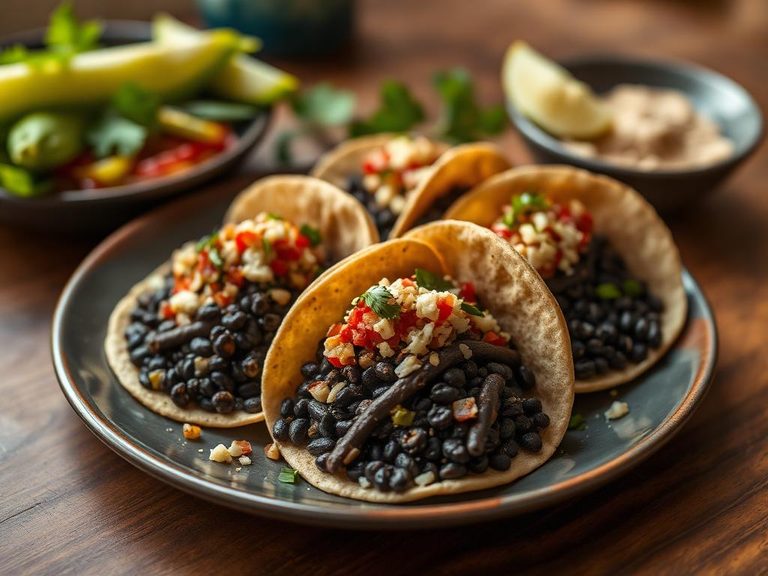
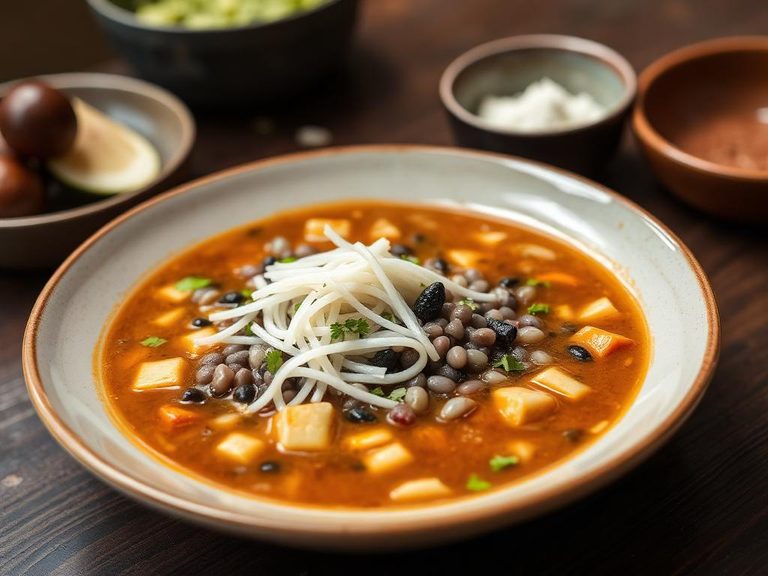
🌍 Where it's eaten
💡 Did you know?
The blue color in blue corn flour is due to anthocyanins, the same antioxidants found in blueberries and red cabbage, which can turn slightly pink or green when exposed to acidic or alkaline ingredients during cooking.
Full nutrition (USDA data · scales with serving)
| Water | 10.8 g |
| Energy | 364 kcal |
| Energy | 1524 kj |
| Protein | 8.8 g |
| Total lipid (fat) | 5.1 g |
| Ash | 1.4 g |
| Carbohydrate, by difference | 73.9 g |
| Fiber, total dietary | 8.4 g |
| Starch | 68.0 g |
| Calcium, Ca | 5.0 mg |
| Iron, Fe | 1.7 mg |
| Magnesium, Mg | 110 mg |
| Phosphorus, P | 263 mg |
| Potassium, K | 381 mg |
| Sodium, Na | 5.0 mg |
| Zinc, Zn | 2.2 mg |
| Copper, Cu | 0.15 mg |
| Manganese, Mn | 0.54 mg |
| Selenium, Se | 2.2 ug |
| Thiamin | 0.16 mg |
| Riboflavin | 0.23 mg |
| Niacin | 2.6 mg |
| Pantothenic acid | 0.55 mg |
| Vitamin B-6 | 0.47 mg |
Fat & fatty acid profile (per 100g)
Estimated from Pasta, gluten-free, corn flour and quinoa flour, cooked, ANCIENT HARVEST — USDA does not publish this profile for Corn flour.
| Fatty acids, total saturated | 0.15 g |
| SFA 4:0 | 0.00 g |
| SFA 6:0 | 0.00 g |
| SFA 8:0 | 0.00 g |
| SFA 10:0 | 0.00 g |
| SFA 12:0 | 0.00 g |
| SFA 14:0 | 0.01 g |
| SFA 15:0 | 0.00 g |
| SFA 16:0 | 0.09 g |
| SFA 17:0 | 0.00 g |
| SFA 18:0 | 0.04 g |
| SFA 20:0 | 0.01 g |
| SFA 22:0 | 0.00 g |
| SFA 24:0 | 0.00 g |
| Fatty acids, total monounsaturated | 0.66 g |
| MUFA 14:1 | 0.00 g |
| MUFA 15:1 | 0.17 g |
| MUFA 16:1 | 0.00 g |
| MUFA 16:1 c | 0.00 g |
| MUFA 17:1 | 0.00 g |
| MUFA 18:1 | 0.48 g |
| MUFA 18:1 c | 0.47 g |
| MUFA 20:1 | 0.01 g |
| MUFA 22:1 | 0.00 g |
| MUFA 22:1 c | 0.00 g |
| MUFA 24:1 c | 0.00 g |
| Fatty acids, total polyunsaturated | 0.95 g |
| PUFA 18:2 | 0.91 g |
| PUFA 18:2 n-6 c,c | 0.91 g |
| PUFA 18:2 CLAs | 0.00 g |
| PUFA 18:3 | 0.03 g |
| PUFA 18:3 n-3 c,c,c (ALA) | 0.03 g |
| PUFA 18:3 n-6 c,c,c | 0.00 g |
| PUFA 18:3i | 0.00 g |
| PUFA 18:4 | 0.00 g |
| PUFA 20:2 n-6 c,c | 0.00 g |
| PUFA 20:3 | 0.00 g |
| PUFA 20:3 n-3 | 0.00 g |
| PUFA 20:3 n-6 | 0.00 g |
| PUFA 20:4 | 0.00 g |
| PUFA 20:5 n-3 (EPA) | 0.00 g |
| PUFA 22:4 | 0.00 g |
| PUFA 22:5 n-3 (DPA) | 0.00 g |
| PUFA 22:6 n-3 (DHA) | 0.00 g |
| Fatty acids, total trans | 0.01 g |
| Fatty acids, total trans-monoenoic | 0.00 g |
| TFA 16:1 t | 0.00 g |
| TFA 18:1 t | 0.00 g |
| TFA 22:1 t | 0.00 g |
| TFA 18:2 t not further defined | 0.00 g |
| Fatty acids, total trans-polyenoic | 0.00 g |
| Cholesterol | 0.00 mg |
Amino acid profile (per 100g)
Estimated from Pasta, gluten-free, corn flour and quinoa flour, cooked, ANCIENT HARVEST — USDA does not publish this profile for Corn flour.
| Tryptophan | 0.02 g |
| Threonine | 0.10 g |
| Isoleucine | 0.09 g |
| Leucine | 0.35 g |
| Lysine | 0.16 g |
| Methionine | 0.06 g |
| Cystine | 0.07 g |
| Phenylalanine | 0.15 g |
| Tyrosine | 0.12 g |
| Valine | 0.11 g |
| Arginine | 0.18 g |
| Histidine | 0.09 g |
| Alanine | 0.21 g |
| Aspartic acid | 0.19 g |
| Glutamic acid | 0.46 g |
| Glycine | 0.12 g |
| Proline | 0.29 g |
| Serine | 0.15 g |
| Hydroxyproline | 0.00 g |
FAQ
Is blue corn flour gluten-free?
Yes, blue corn flour is naturally gluten-free, making it a safe and nutritious option for individuals with celiac disease or gluten sensitivity.
How does blue corn flour differ from regular corn flour?
Blue corn flour is made from blue maize, which has a higher protein and fiber content, a nuttier flavor, and a distinctive purple-blue color due to anthocyanins, unlike the more neutral, yellow or white corn flour.
Can I substitute blue corn flour for regular corn flour in recipes?
Yes, you can often substitute it 1:1, but expect a denser texture and a more robust, earthy flavor. It works best in recipes like tortillas, tamales, and pancakes where its unique characteristics shine.
Nutrient density (calculated · NRF9.3)
Nutrient Rich Foods index: beneficial nutrients (protein, fiber, vitamins, minerals) minus saturated fat, added sugar & sodium, per 100 kcal.
NRF9.3 index — Fulgoni, Keast & Drewnowski, 2009. Computed from USDA nutrients.
Weight-loss friendliness (composite index)
Energy density 3.64 kcal/g · 10% calories from protein · 8.4 g fiber · 0.0 g sugar per 100 g.
Composite of energy density (Rolls et al., 1999), protein & fiber satiety, minus sugar. A calculated heuristic — ranks satiety-per-calorie, not a clinical measure.
Dietary load (calculated from USDA values)
Potential renal acid load. Positive = acid-forming, negative = alkaline-forming.
Sodium-to-potassium ratio: 0.01 (lower is better — aim for ≤ 1)
Sodium:potassium per WHO potassium guidance. Computed from USDA nutrients.