

Tamales de maíz azul
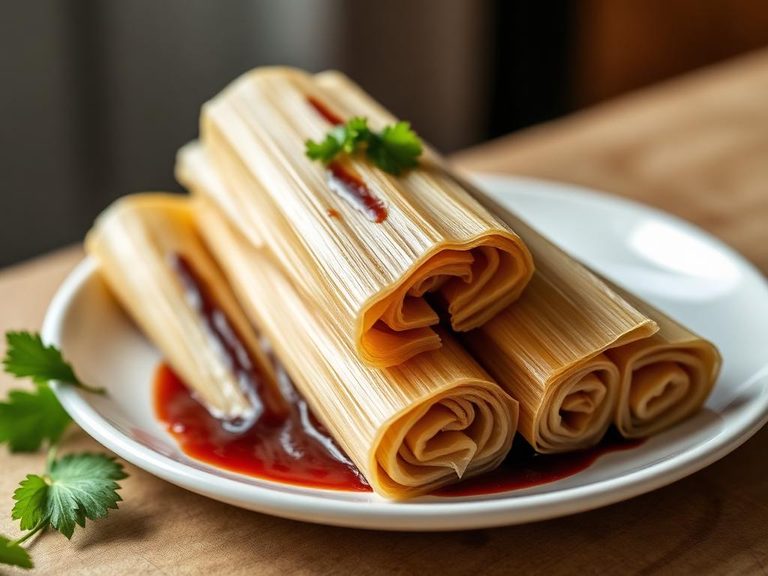
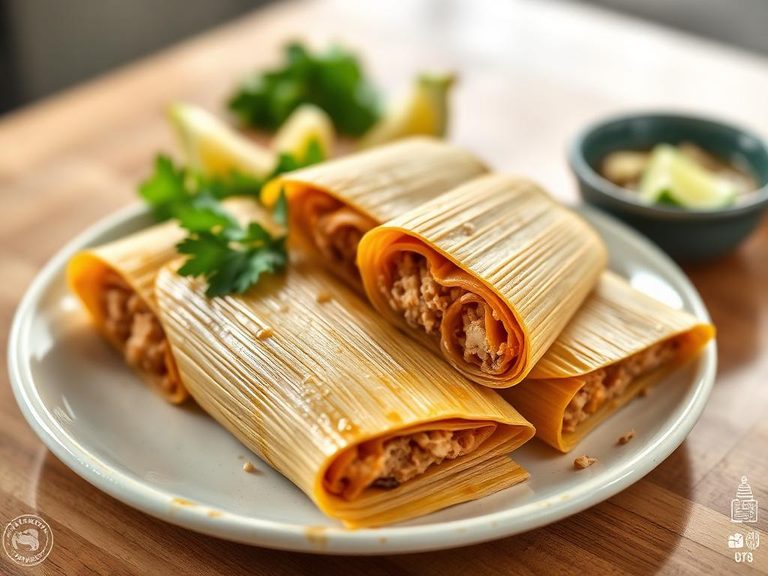
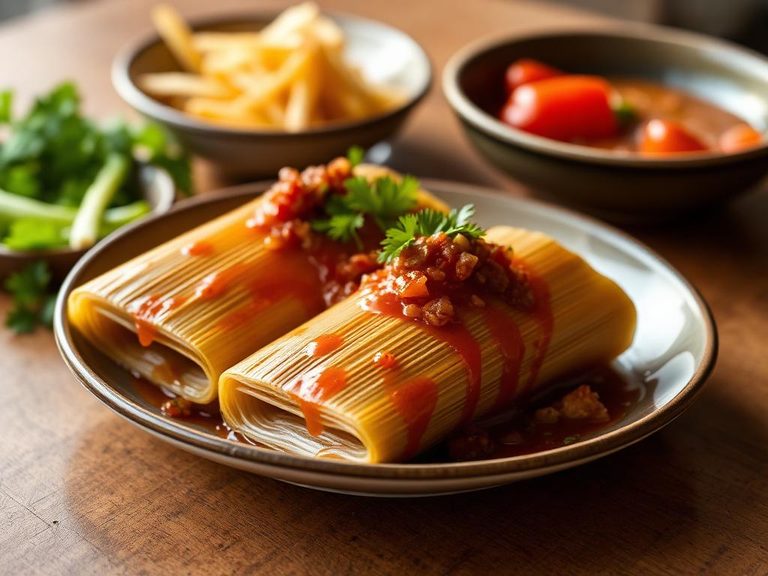
Tamales de maíz azul are traditional Mexican tamales made from blue corn masa, a dough with a striking purple-blue hue from the anthocyanin-rich corn. The masa is typically filled with ingredients like cheese, rajas (roasted poblano strips), or meats, then wrapped in corn husks and steamed. They are a festive and regionally cherished variation of the classic tamale, particularly associated with states like Oaxaca and Puebla.
🍽️ Nutrition at a glance
Tamales de maíz azul are a carbohydrate-rich food due to the corn masa, with moderate protein from the corn and any filling, and fat content depending on the lard or oil used in the dough and the filling. They provide dietary fiber, B vitamins, and minerals like iron and magnesium from the blue corn.
Nutrition breakdown
| Calories | 310 kcal |
| Protein | 8 g |
| Carbs | 45 g |
| Fat | 12 g |
| Fiber | 5 g |
| Sugar | 2 g |
| Sodium | 420 mg |
| Iron | 2.5 mg |
| Magnesium | 65 mg |
| Phosphorus | 180 mg |
| Potassium | 290 mg |
| Thiamin (B1) | 0.3 mg |
| Niacin (B3) | 3.2 mg |
| Folate | 55 mcg |
| Zinc | 1.8 mg |
Per 1 tamale (approx. 150 g) · estimated, varies by recipe
💡 What's interesting
The vibrant blue-purple color comes from anthocyanins, powerful antioxidants also found in berries, making these tamales nutritionally unique among tamale varieties. Culturally, they represent the deep heritage of native maize cultivation in Mesoamerica, where blue corn has been a sacred and staple crop for millennia.
🍽️ Related dishes
AI estimate may be inaccurate · Terms