

Cookies, graham crackers, chocolate-coated
Whole food · Baked Products

Photo: Wikipedia
Chocolate-coated graham crackers are a nostalgic treat that combines the honey-kissed crunch of a graham cracker with a smooth, sweet chocolate shell. Each bite offers a satisfying snap followed by a rich, creamy finish, making them a popular snack for both kids and adults. With 500 kcal per 100g, they are energy-dense, primarily from carbohydrates and fats.
Calorie split: 3% protein · 52% carbs · 45% fat
↓ Full nutrition💚 Why it's loved
People love these for their perfect balance of textures—the crisp, slightly malty graham cracker against the smooth chocolate coating. They are a versatile snack that pairs well with milk, coffee, or can be crumbled over desserts.
⚠️ Watch-outs & how to enjoy it better
The high sugar (37.3g per 100g) and fat content can lead to blood-sugar spikes and may not be suitable for those monitoring their intake. To counteract, pair with a source of protein or healthy fat (like nuts or Greek yogurt) to slow sugar absorption, and practice strict portion control (e.g., one or two cookies).
Key benefits
- Provides quick energy from carbohydrates.
- Offers a small amount of dietary fiber.
- Convenient, portable snack for on-the-go.
- Can satisfy sweet cravings in moderation.
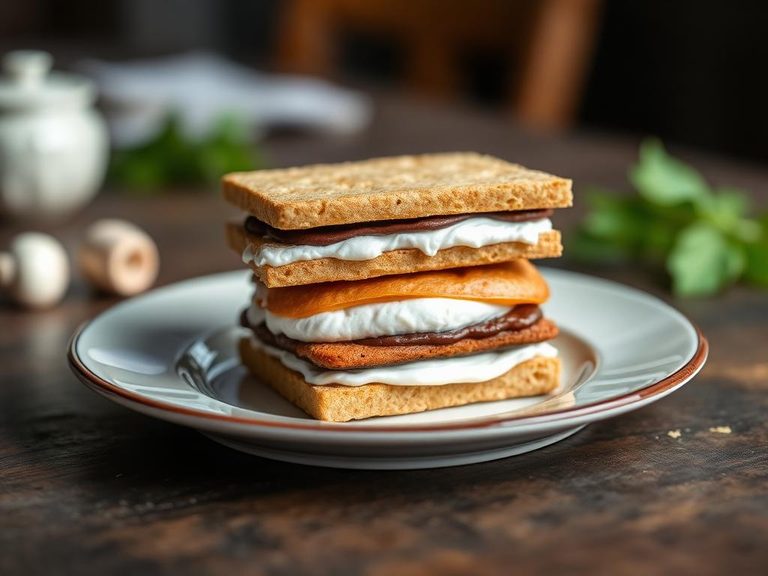
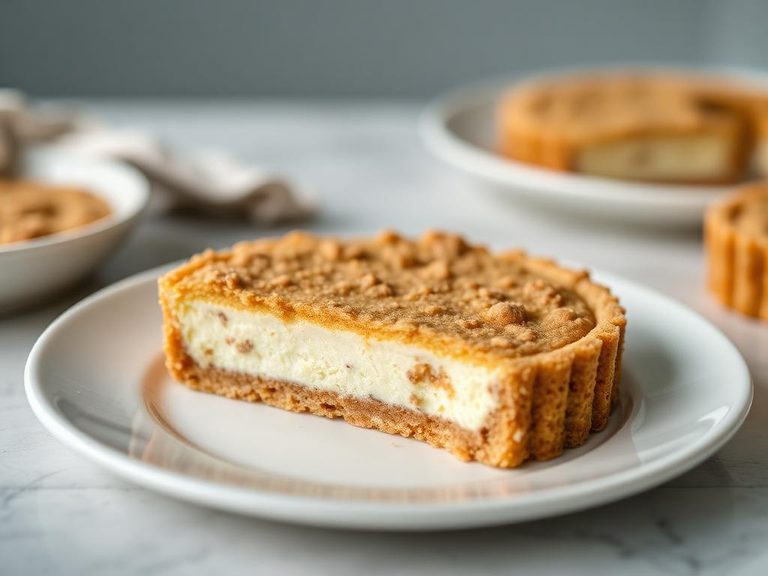
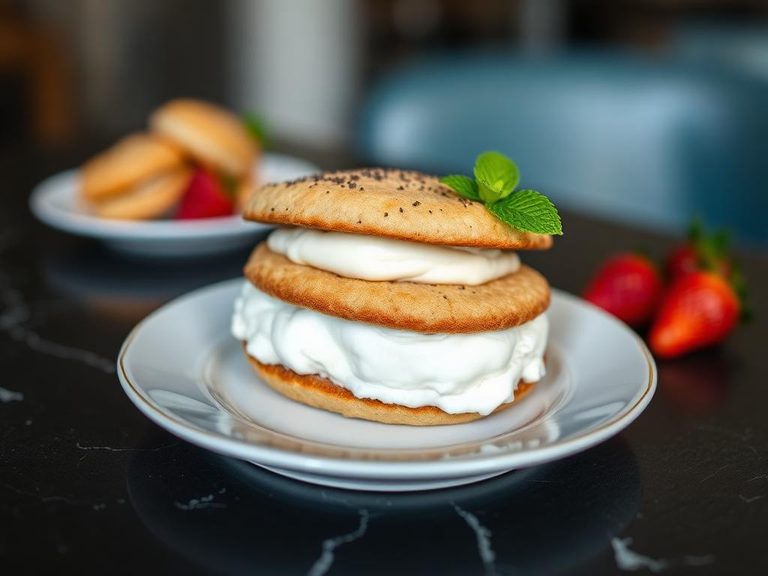
🍽️ Popular dishes
🌍 Where it's eaten
💡 Did you know?
The graham cracker was originally invented in the 19th century by a Presbyterian minister named Sylvester Graham, who believed his high-fiber, unsweetened cracker would curb unhealthy desires—a far cry from the sweet, chocolate-coated version we enjoy today.
Full nutrition (USDA data · scales with serving)
| Water | 2.0 g |
| Energy | 500 kcal |
| Energy | 2092 kj |
| Protein | 4.0 g |
| Total lipid (fat) | 25.8 g |
| Ash | 1.4 g |
| Carbohydrate, by difference | 66.8 g |
| Fiber, total dietary | 2.2 g |
| Total Sugars | 37.3 g |
| Calcium, Ca | 46.0 mg |
| Iron, Fe | 2.0 mg |
| Magnesium, Mg | 16.0 mg |
| Phosphorus, P | 87.0 mg |
| Potassium, K | 267 mg |
| Sodium, Na | 265 mg |
| Zinc, Zn | 0.20 mg |
| Copper, Cu | 0.19 mg |
| Manganese, Mn | 0.46 mg |
| Selenium, Se | 11.1 ug |
| Vitamin C, total ascorbic acid | 0.10 mg |
| Thiamin | 0.27 mg |
| Riboflavin | 0.15 mg |
| Niacin | 1.7 mg |
| Pantothenic acid | 0.38 mg |
| Vitamin B-6 | 0.06 mg |
| Folate, total | 50.0 ug |
| Folic acid | 38.0 ug |
| Folate, food | 12.0 ug |
| Folate, DFE | 77.0 ug |
| Choline, total | 22.3 mg |
| Vitamin B-12 | 0.10 ug |
| Vitamin B-12, added | 0.00 ug |
| Vitamin A, RAE | 2.0 ug |
| Retinol | 2.0 ug |
| Carotene, beta | 0.00 ug |
| Carotene, alpha | 0.00 ug |
| Cryptoxanthin, beta | 0.00 ug |
| Vitamin A, IU | 8.0 iu |
| Lycopene | 0.00 ug |
| Lutein + zeaxanthin | 13.0 ug |
| Vitamin E (alpha-tocopherol) | 0.99 mg |
| Vitamin E, added | 0.00 mg |
| Vitamin D (D2 + D3), International Units | 1.0 iu |
| Vitamin D (D2 + D3) | 0.00 ug |
| Vitamin K (phylloquinone) | 6.4 ug |
| Alcohol, ethyl | 0.00 g |
| Caffeine | 3.0 mg |
| Theobromine | 88.0 mg |
Fat & fatty acid profile (per 100g)
| Fatty acids, total saturated | 17.2 g |
| SFA 4:0 | 0.00 g |
| SFA 6:0 | 0.04 g |
| SFA 8:0 | 0.69 g |
| SFA 10:0 | 0.77 g |
| SFA 12:0 | 9.7 g |
| SFA 13:0 | 0.00 g |
| SFA 14:0 | 3.4 g |
| SFA 15:0 | 0.00 g |
| SFA 16:0 | 1.8 g |
| SFA 17:0 | 0.00 g |
| SFA 18:0 | 0.70 g |
| SFA 20:0 | 0.00 g |
| SFA 22:0 | 0.00 g |
| Fatty acids, total monounsaturated | 2.7 g |
| MUFA 14:1 | 0.00 g |
| MUFA 15:1 | 0.00 g |
| MUFA 16:1 | 0.00 g |
| MUFA 17:1 | 0.00 g |
| MUFA 18:1 | 2.7 g |
| MUFA 20:1 | 0.00 g |
| MUFA 22:1 | 0.00 g |
| Fatty acids, total polyunsaturated | 4.9 g |
| PUFA 18:2 | 4.5 g |
| PUFA 18:3 | 0.05 g |
| PUFA 18:4 | 0.00 g |
| PUFA 20:3 | 0.00 g |
| PUFA 20:4 | 0.00 g |
| PUFA 20:5 n-3 (EPA) | 0.00 g |
| PUFA 22:5 n-3 (DPA) | 0.00 g |
| PUFA 22:6 n-3 (DHA) | 0.00 g |
| Fatty acids, total trans | 0.55 g |
| Cholesterol | 1.0 mg |
Amino acid profile (per 100g)
| Tryptophan | 0.05 g |
| Threonine | 0.13 g |
| Isoleucine | 0.14 g |
| Leucine | 0.26 g |
| Lysine | 0.13 g |
| Methionine | 0.06 g |
| Cystine | 0.07 g |
| Phenylalanine | 0.18 g |
| Tyrosine | 0.12 g |
| Valine | 0.17 g |
| Arginine | 0.15 g |
| Histidine | 0.08 g |
| Alanine | 0.13 g |
| Aspartic acid | 0.22 g |
| Glutamic acid | 1.1 g |
| Glycine | 0.13 g |
| Proline | 0.36 g |
| Serine | 0.18 g |
FAQ
Are chocolate-coated graham crackers gluten-free?
No, traditional graham crackers are made from wheat flour and are not gluten-free. However, some brands offer gluten-free versions.
How should I store them to keep them fresh?
Store them in an airtight container at room temperature to maintain their crispness. Avoid exposure to moisture, which can make them soggy.
Can I use them in baking?
Yes, they are excellent for making crusts for cheesecakes, pies, and bars, or as a crunchy topping for ice cream and puddings.
Nutrient density (calculated · NRF9.3)
Nutrient Rich Foods index: beneficial nutrients (protein, fiber, vitamins, minerals) minus saturated fat, added sugar & sodium, per 100 kcal.
NRF9.3 index — Fulgoni, Keast & Drewnowski, 2009. Computed from USDA nutrients.
Weight-loss friendliness (composite index)
Energy density 5.00 kcal/g · 3% calories from protein · 2.2 g fiber · 37.3 g sugar per 100 g.
Composite of energy density (Rolls et al., 1999), protein & fiber satiety, minus sugar. A calculated heuristic — ranks satiety-per-calorie, not a clinical measure.
Dietary load (calculated from USDA values)
Potential renal acid load. Positive = acid-forming, negative = alkaline-forming.
Sodium-to-potassium ratio: 0.99 (lower is better — aim for ≤ 1)
Sodium:potassium per WHO potassium guidance. Computed from USDA nutrients.