

Chicken, canned, no broth
Whole food · Poultry Products

Photo: Wikipedia
This is lean, pre-cooked chicken breast meat that has been sealed in a can without any added broth or stock, resulting in a firm, slightly dense, and fibrous texture. Its flavor is mild and savory, acting as a blank canvas for other ingredients, with a nutrition profile dominated by high-quality protein and minimal fat.
Calorie split: 57% protein · 2% carbs · 41% fat
↓ Full nutrition💚 Why it's loved
People love it for its unmatched convenience and long shelf life, making it a reliable staple for emergencies, camping, or quick meal prep. Its neutral flavor allows it to be easily incorporated into a vast array of dishes without competing with other ingredients.
⚠️ Watch-outs & how to enjoy it better
The texture can be perceived as dry or rubbery compared to freshly cooked chicken, and it often contains significant sodium for preservation. To counteract dryness, shred it and mix with a small amount of mayonnaise, Greek yogurt, or a flavorful sauce. To manage sodium intake, look for low-sodium versions or rinse the meat briefly under water before use.
Key benefits
- Excellent source of complete protein for muscle maintenance.
- Very low in carbohydrates, making it keto and low-carb friendly.
- Extremely shelf-stable and requires no refrigeration until opened.
- Provides a quick, no-cook protein source for meals and snacks.
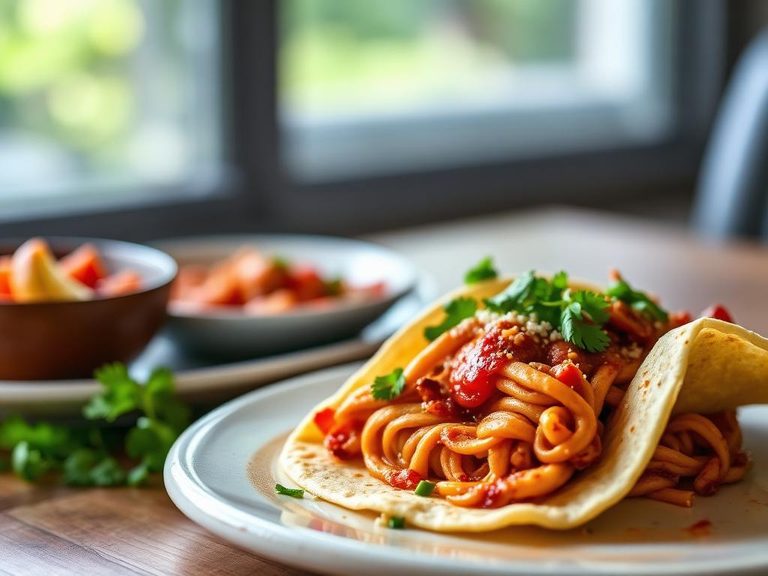
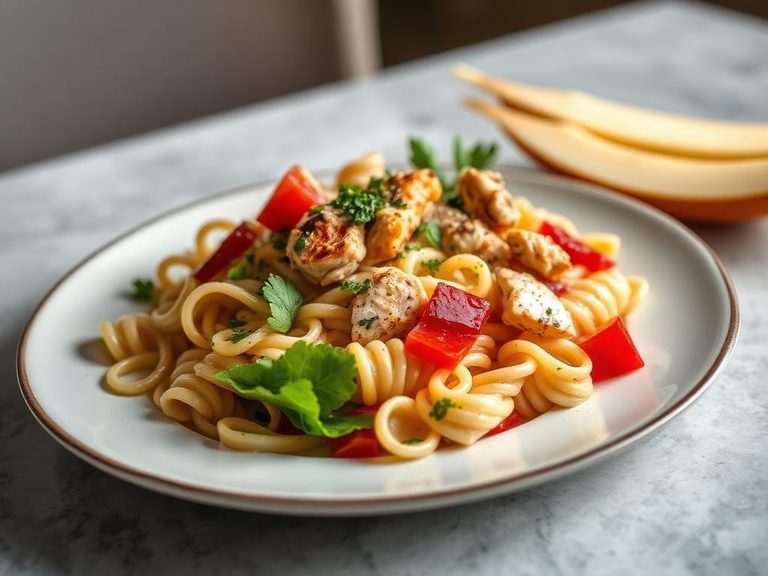
🍽️ Popular dishes
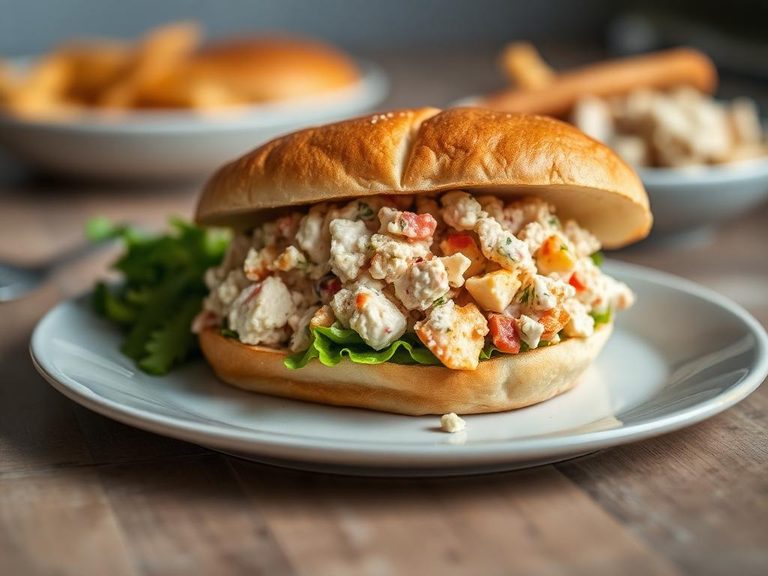
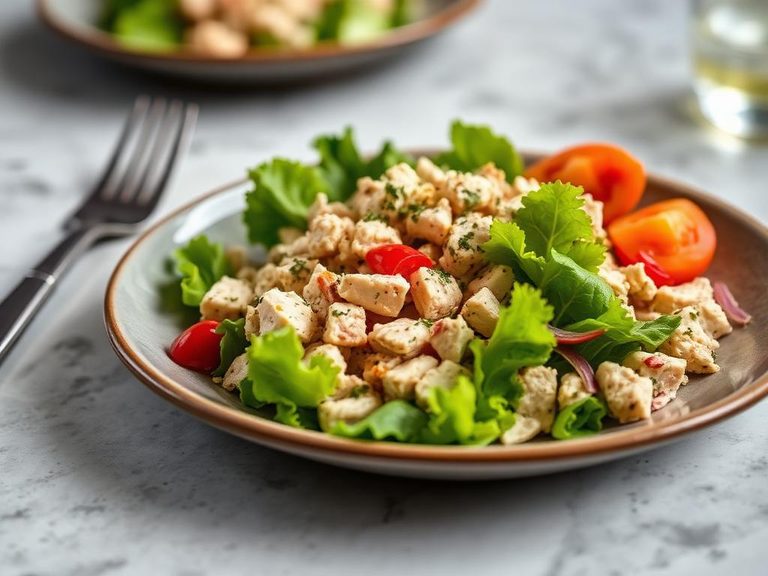
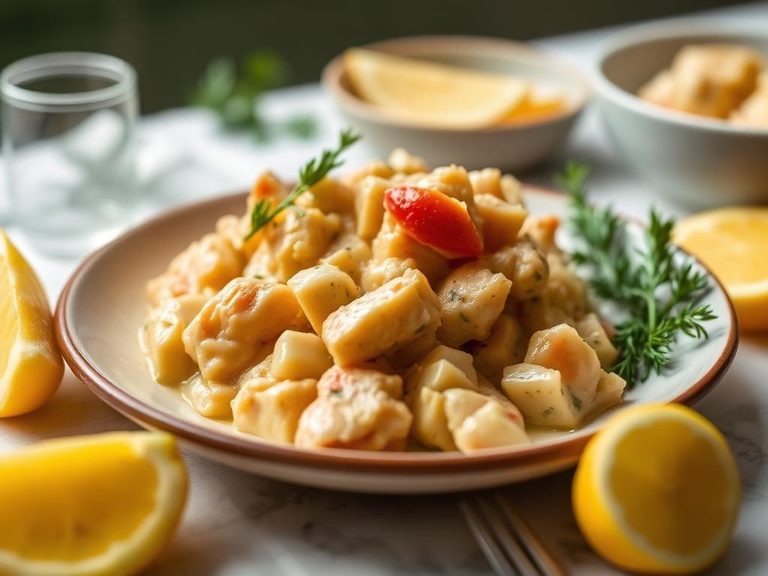
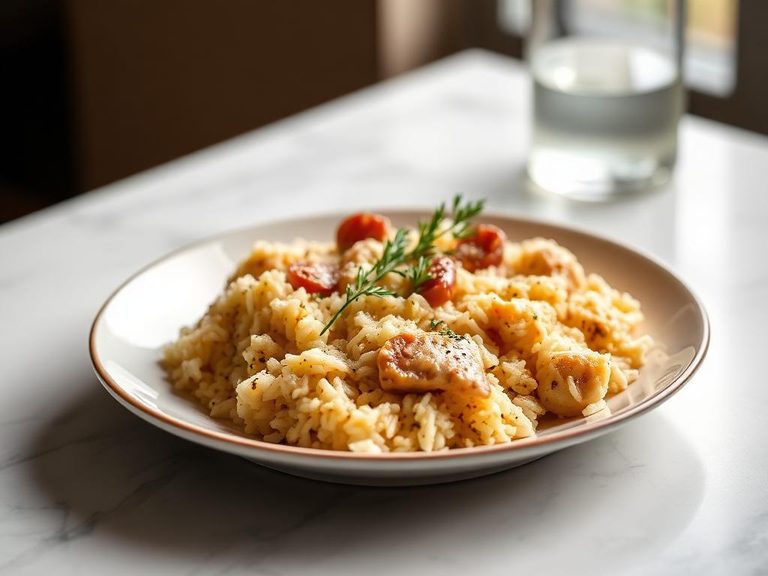
🌍 Where it's eaten
💡 Did you know?
Canned chicken was a crucial protein source for Allied soldiers during World War II, and the technology for canning poultry was heavily refined during this period to meet massive demand.
Full nutrition (USDA data · scales with serving)
| Water | 64.9 g |
| Energy | 185 kcal |
| Energy | 772 kj |
| Protein | 25.3 g |
| Total lipid (fat) | 8.1 g |
| Ash | 0.80 g |
| Carbohydrate, by difference | 0.90 g |
| Fiber, total dietary | 0.00 g |
| Total Sugars | 0.00 g |
| Calcium, Ca | 14.0 mg |
| Iron, Fe | 1.3 mg |
| Magnesium, Mg | 19.0 mg |
| Phosphorus, P | 153 mg |
| Potassium, K | 153 mg |
| Sodium, Na | 482 mg |
| Zinc, Zn | 2.5 mg |
| Copper, Cu | 0.05 mg |
| Selenium, Se | 18.4 ug |
| Vitamin C, total ascorbic acid | 0.00 mg |
| Thiamin | 0.00 mg |
| Riboflavin | 0.10 mg |
| Niacin | 2.4 mg |
| Vitamin B-6 | 0.19 mg |
| Folate, total | 2.0 ug |
| Folic acid | 0.00 ug |
| Folate, food | 2.0 ug |
| Folate, DFE | 2.0 ug |
| Choline, total | 73.8 mg |
| Betaine | 5.4 mg |
| Vitamin B-12 | 1.0 ug |
| Vitamin B-12, added | 0.00 ug |
| Vitamin A, RAE | 53.0 ug |
| Retinol | 53.0 ug |
| Carotene, beta | 0.00 ug |
| Carotene, alpha | 0.00 ug |
| Cryptoxanthin, beta | 0.00 ug |
| Vitamin A, IU | 177 iu |
| Lycopene | 0.00 ug |
| Lutein + zeaxanthin | 0.00 ug |
| Vitamin E (alpha-tocopherol) | 0.32 mg |
| Vitamin E, added | 0.00 mg |
| Vitamin D (D2 + D3), International Units | 5.0 iu |
| Vitamin D (D2 + D3) | 0.10 ug |
| Vitamin D3 (cholecalciferol) | 0.10 ug |
| Vitamin K (phylloquinone) | 2.3 ug |
| Vitamin K (Dihydrophylloquinone) | 0.00 ug |
| Alcohol, ethyl | 0.00 g |
| Caffeine | 0.00 mg |
| Theobromine | 0.00 mg |
Fat & fatty acid profile (per 100g)
| Fatty acids, total saturated | 2.3 g |
| SFA 4:0 | 0.00 g |
| SFA 6:0 | 0.00 g |
| SFA 8:0 | 0.00 g |
| SFA 10:0 | 0.00 g |
| SFA 12:0 | 0.01 g |
| SFA 14:0 | 0.06 g |
| SFA 16:0 | 1.7 g |
| SFA 18:0 | 0.47 g |
| Fatty acids, total monounsaturated | 3.3 g |
| MUFA 16:1 | 0.47 g |
| MUFA 18:1 | 2.7 g |
| MUFA 20:1 | 0.08 g |
| MUFA 22:1 | 0.00 g |
| Fatty acids, total polyunsaturated | 2.0 g |
| PUFA 18:2 | 1.6 g |
| PUFA 18:3 | 0.07 g |
| PUFA 18:4 | 0.00 g |
| PUFA 20:4 | 0.07 g |
| PUFA 20:5 n-3 (EPA) | 0.01 g |
| PUFA 22:5 n-3 (DPA) | 0.01 g |
| PUFA 22:6 n-3 (DHA) | 0.21 g |
| Cholesterol | 50.0 mg |
Amino acid profile (per 100g)
Estimated from Chicken, broilers or fryers, meat and skin and giblets and neck, raw — USDA does not publish this profile for Chicken.
| Tryptophan | 0.20 g |
| Threonine | 0.76 g |
| Isoleucine | 0.91 g |
| Leucine | 1.3 g |
| Lysine | 1.5 g |
| Methionine | 0.48 g |
| Cystine | 0.25 g |
| Phenylalanine | 0.72 g |
| Tyrosine | 0.59 g |
| Valine | 0.89 g |
| Arginine | 1.2 g |
| Histidine | 0.53 g |
| Alanine | 1.1 g |
| Aspartic acid | 1.6 g |
| Glutamic acid | 2.7 g |
| Glycine | 1.2 g |
| Proline | 0.91 g |
| Serine | 0.66 g |
FAQ
Is the liquid in the can broth?
For this specific product ('no broth'), the liquid is primarily natural juices released from the chicken during the canning process, not a separately added stock or broth.
How does its nutrition compare to raw chicken breast?
Per 100g, it is very similar in protein and fat content to cooked chicken breast. The canning process may slightly reduce some heat-sensitive vitamins, but it remains a highly nutritious protein source.
Can I eat it straight from the can?
Yes, it is fully cooked and safe to eat cold. However, for better texture and flavor, it's often recommended to drain, shred, and season it or heat it before consumption.
Nutrient density (calculated · NRF9.3)
Nutrient Rich Foods index: beneficial nutrients (protein, fiber, vitamins, minerals) minus saturated fat, added sugar & sodium, per 100 kcal.
NRF9.3 index — Fulgoni, Keast & Drewnowski, 2009. Computed from USDA nutrients.
Weight-loss friendliness (composite index)
Energy density 1.85 kcal/g · 55% calories from protein · 0.0 g fiber · 0.0 g sugar per 100 g.
Composite of energy density (Rolls et al., 1999), protein & fiber satiety, minus sugar. A calculated heuristic — ranks satiety-per-calorie, not a clinical measure.
Dietary load (calculated from USDA values)
Potential renal acid load. Positive = acid-forming, negative = alkaline-forming.
Sodium-to-potassium ratio: 3.15 (lower is better — aim for ≤ 1)
Sodium:potassium per WHO potassium guidance. Computed from USDA nutrients.