

Chicken, broilers or fryers, wing, meat only, raw
Whole food · Poultry Products
This is the lean, meaty portion of a raw chicken wing, stripped of skin and bone. It offers a mild, clean poultry flavor with a tender, slightly springy texture that readily absorbs marinades. Nutritionally, it's a powerhouse of high-quality protein with minimal fat and zero carbohydrates.
Calorie split: 73% protein · 0% carbs · 27% fat
↓ Full nutrition💚 Why it's loved
People love chicken wing meat for its incredible adaptability—it's a blank canvas that soaks up bold flavors from spicy buffalo sauce to savory garlic-herb rubs. Its cultural ubiquity in sports bars, family dinners, and street food worldwide makes it a comforting, familiar choice.
⚠️ Watch-outs & how to enjoy it better
As a lean cut, it can dry out quickly if overcooked, leading to a tough, rubbery texture. To counteract this, use quick-cooking methods like stir-frying, poaching, or marinating in an acidic tenderizer (like yogurt or citrus) before grilling. Those monitoring sodium should be cautious with pre-marinated or seasoned versions.
Key benefits
- Excellent source of complete protein for muscle maintenance.
- Very low in fat, especially saturated fat.
- Zero carbohydrates, making it ideal for low-carb diets.
- Rich in essential amino acids like leucine.
- A versatile, lean base for numerous healthy recipes.
🍽️ Popular dishes
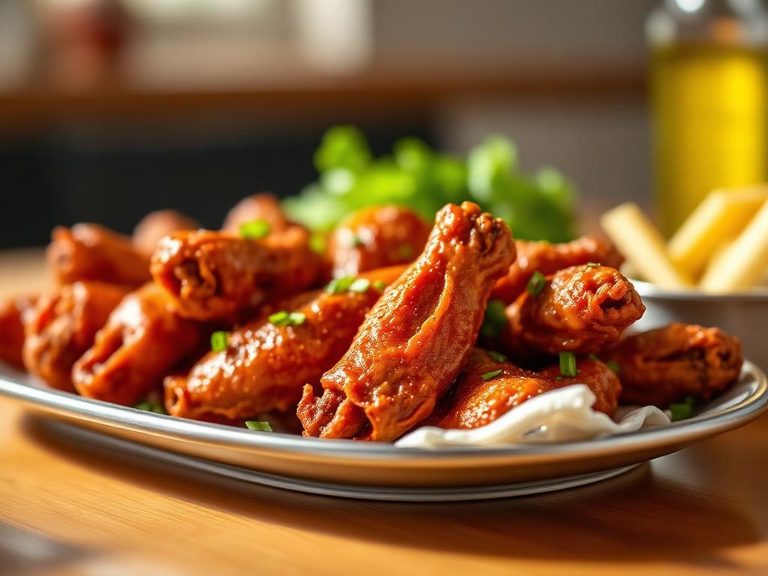
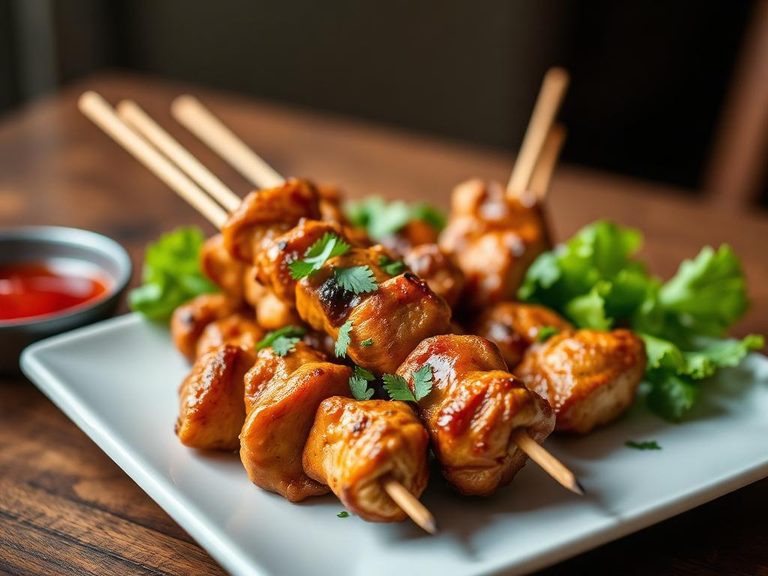
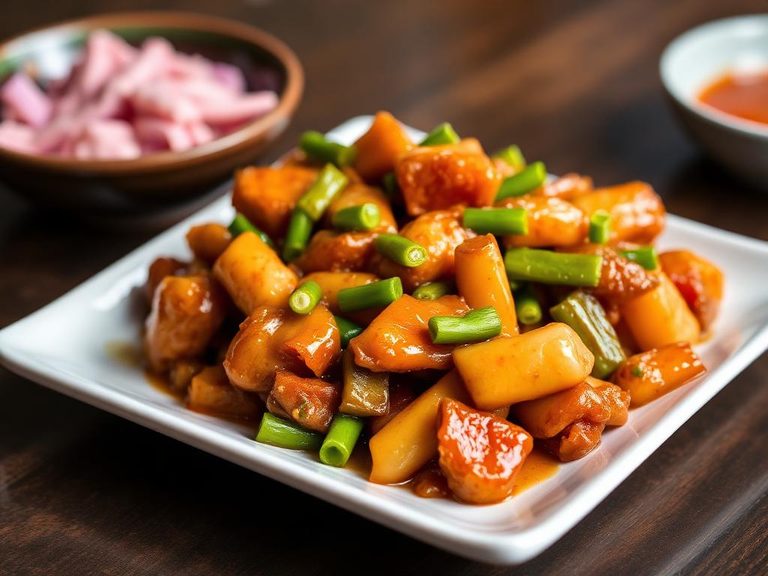
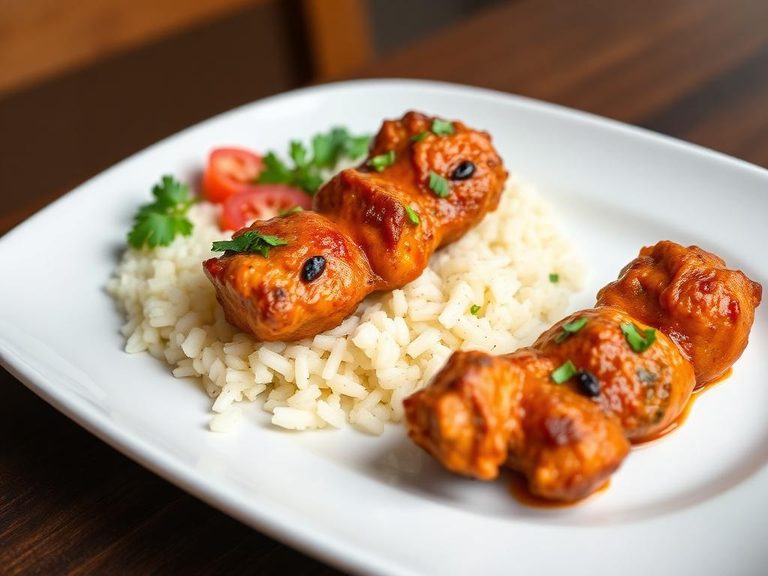
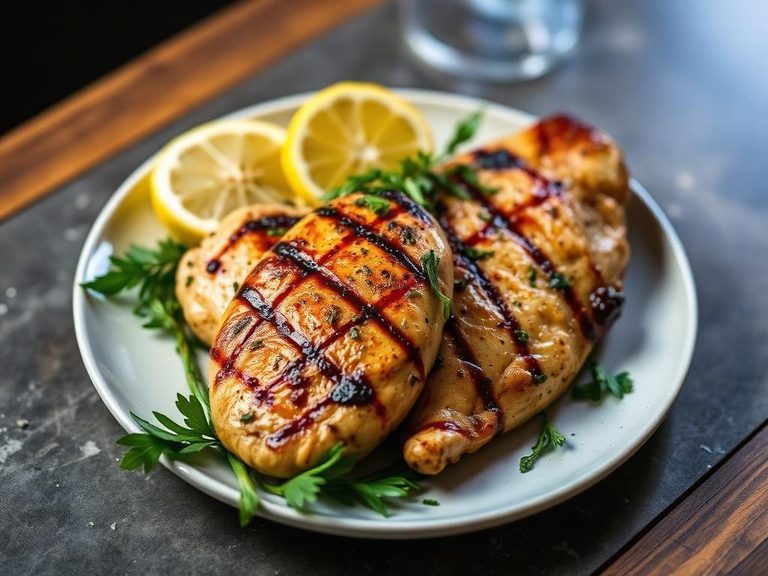
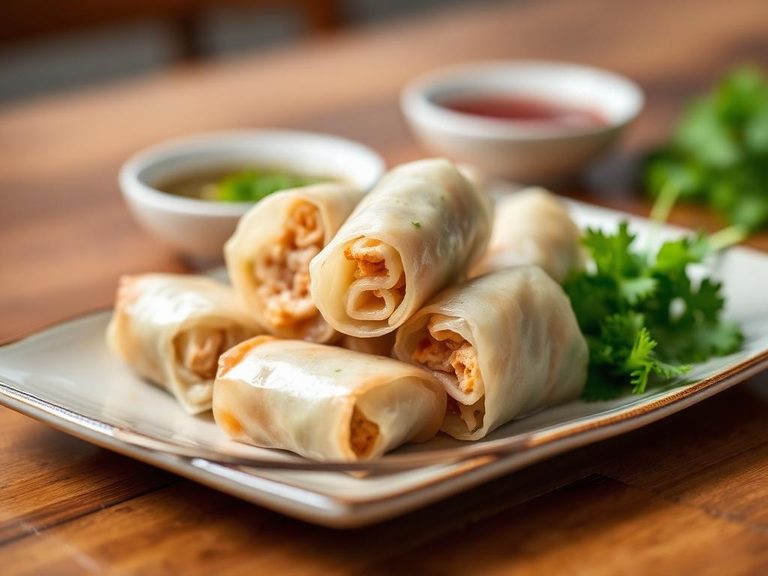
🌍 Where it's eaten
💡 Did you know?
The 'flat' section of the wing actually contains two bones (the radius and ulna), not one, which is why it's sometimes called the 'wingette' or 'flat' to distinguish it from the single-boned 'drumette'.
Full nutrition (USDA data · scales with serving)
| Water | 75.0 g |
| Energy | 126 kcal |
| Energy | 527 kj |
| Protein | 22.0 g |
| Total lipid (fat) | 3.5 g |
| Ash | 0.83 g |
| Carbohydrate, by difference | 0.00 g |
| Fiber, total dietary | 0.00 g |
| Total Sugars | 0.00 g |
| Calcium, Ca | 13.0 mg |
| Iron, Fe | 0.88 mg |
| Magnesium, Mg | 22.0 mg |
| Phosphorus, P | 155 mg |
| Potassium, K | 194 mg |
| Sodium, Na | 81.0 mg |
| Zinc, Zn | 1.6 mg |
| Copper, Cu | 0.04 mg |
| Manganese, Mn | 0.02 mg |
| Selenium, Se | 17.8 ug |
| Vitamin C, total ascorbic acid | 1.2 mg |
| Thiamin | 0.06 mg |
| Riboflavin | 0.10 mg |
| Niacin | 7.4 mg |
| Pantothenic acid | 0.84 mg |
| Vitamin B-6 | 0.53 mg |
| Folate, total | 4.0 ug |
| Folic acid | 0.00 ug |
| Folate, food | 4.0 ug |
| Folate, DFE | 4.0 ug |
| Choline, total | 65.8 mg |
| Betaine | 8.5 mg |
| Vitamin B-12 | 0.38 ug |
| Vitamin B-12, added | 0.00 ug |
| Vitamin A, RAE | 18.0 ug |
| Retinol | 18.0 ug |
| Carotene, beta | 0.00 ug |
| Carotene, alpha | 0.00 ug |
| Cryptoxanthin, beta | 0.00 ug |
| Vitamin A, IU | 59.0 iu |
| Lycopene | 0.00 ug |
| Lutein + zeaxanthin | 0.00 ug |
| Vitamin E (alpha-tocopherol) | 0.13 mg |
| Vitamin E, added | 0.00 mg |
| Vitamin D (D2 + D3), International Units | 5.0 iu |
| Vitamin D (D2 + D3) | 0.10 ug |
| Vitamin D3 (cholecalciferol) | 0.10 ug |
| Vitamin K (phylloquinone) | 0.00 ug |
| Alcohol, ethyl | 0.00 g |
| Caffeine | 0.00 mg |
| Theobromine | 0.00 mg |
Fat & fatty acid profile (per 100g)
| Fatty acids, total saturated | 0.94 g |
| SFA 4:0 | 0.00 g |
| SFA 6:0 | 0.00 g |
| SFA 8:0 | 0.00 g |
| SFA 10:0 | 0.00 g |
| SFA 12:0 | 0.01 g |
| SFA 14:0 | 0.03 g |
| SFA 16:0 | 0.60 g |
| SFA 18:0 | 0.29 g |
| Fatty acids, total monounsaturated | 0.85 g |
| MUFA 16:1 | 0.08 g |
| MUFA 18:1 | 0.73 g |
| MUFA 20:1 | 0.01 g |
| MUFA 22:1 | 0.00 g |
| Fatty acids, total polyunsaturated | 0.80 g |
| PUFA 18:2 | 0.47 g |
| PUFA 18:3 | 0.02 g |
| PUFA 18:4 | 0.00 g |
| PUFA 20:4 | 0.12 g |
| PUFA 20:5 n-3 (EPA) | 0.01 g |
| PUFA 22:5 n-3 (DPA) | 0.03 g |
| PUFA 22:6 n-3 (DHA) | 0.05 g |
| Fatty acids, total trans | 0.07 g |
| Cholesterol | 57.0 mg |
Amino acid profile (per 100g)
| Tryptophan | 0.26 g |
| Threonine | 0.93 g |
| Isoleucine | 1.2 g |
| Leucine | 1.6 g |
| Lysine | 1.9 g |
| Methionine | 0.61 g |
| Cystine | 0.28 g |
| Phenylalanine | 0.87 g |
| Tyrosine | 0.74 g |
| Valine | 1.1 g |
| Arginine | 1.3 g |
| Histidine | 0.68 g |
| Alanine | 1.2 g |
| Aspartic acid | 2.0 g |
| Glutamic acid | 3.3 g |
| Glycine | 1.1 g |
| Proline | 0.90 g |
| Serine | 0.76 g |
FAQ
How is this different from a whole chicken wing?
This is the meat only, with skin and bones removed. A whole raw wing includes skin (high in fat) and two bones, weighing about 80-100g total.
Is it a good choice for weight loss?
Yes, it's an excellent choice. It's very high in protein (which promotes satiety) and low in calories and fat, making it a lean, filling option for calorie-controlled diets.
How do I prevent it from becoming dry when cooking?
Quick cooking is key. Stir-fry, sauté, or poach it. Marinating in oil, yogurt, or a brine helps retain moisture. Avoid overcooking; it's done as soon as it turns opaque and reaches 165°F (74°C).
Nutrient density (calculated · NRF9.3)
Nutrient Rich Foods index: beneficial nutrients (protein, fiber, vitamins, minerals) minus saturated fat, added sugar & sodium, per 100 kcal.
NRF9.3 index — Fulgoni, Keast & Drewnowski, 2009. Computed from USDA nutrients.
Weight-loss friendliness (composite index)
Energy density 1.26 kcal/g · 70% calories from protein · 0.0 g fiber · 0.0 g sugar per 100 g.
Composite of energy density (Rolls et al., 1999), protein & fiber satiety, minus sugar. A calculated heuristic — ranks satiety-per-calorie, not a clinical measure.
Dietary load (calculated from USDA values)
Potential renal acid load. Positive = acid-forming, negative = alkaline-forming.
Sodium-to-potassium ratio: 0.42 (lower is better — aim for ≤ 1)
Sodium:potassium per WHO potassium guidance. Computed from USDA nutrients.