

Chicken, broilers or fryers, breast, meat and skin, cooked, stewed
Whole food · Poultry Products
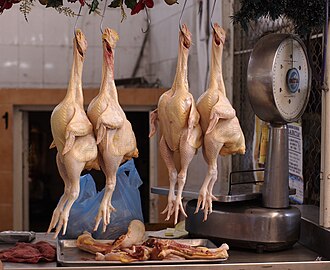
Photo: Wikipedia
This is the tender, juicy breast meat of a young chicken, cooked gently in its own juices and broth until it's fork-tender and infused with savory flavor. The stewing process keeps the meat moist and succulent, with a soft, yielding texture that easily shreds. It's a lean protein powerhouse, delivering over 27 grams of protein per 100 grams with minimal fat.
Calorie split: 62% protein · 0% carbs · 38% fat
↓ Full nutrition💚 Why it's loved
People love it for its comforting, savory flavor and incredibly tender texture that melts in your mouth. It's a culinary blank canvas, readily absorbing the flavors of herbs, spices, and broths, making it a staple for everything from classic soups to global curries.
⚠️ Watch-outs & how to enjoy it better
Without the skin, it can be perceived as bland or dry if overcooked. To counteract dryness, ensure it's stewed in enough liquid and not boiled aggressively. For those watching sodium intake, use low-sodium broth and season with herbs, garlic, and citrus to build flavor without salt.
Key benefits
- Excellent source of complete, high-quality protein
- Very low in carbohydrates, suitable for low-carb diets
- Rich in niacin (vitamin B3) and selenium
- Provides phosphorus for bone health
- A versatile base for countless low-calorie meals
🍽️ Popular dishes
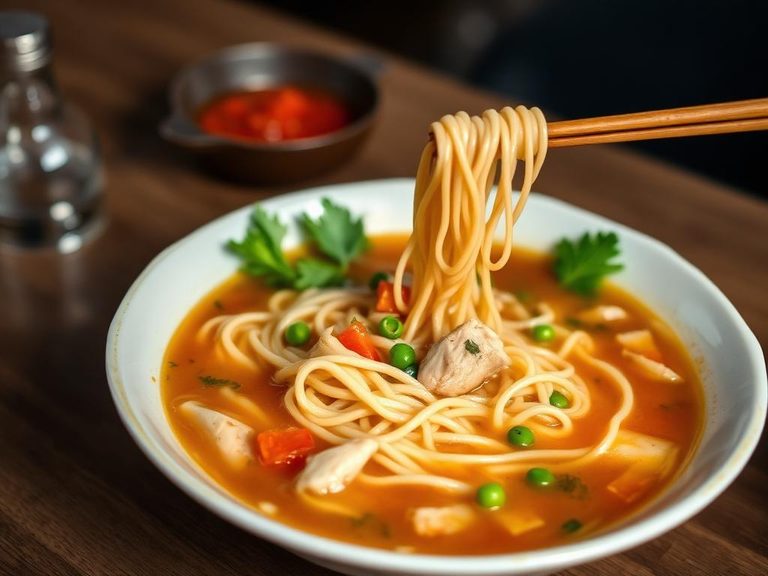
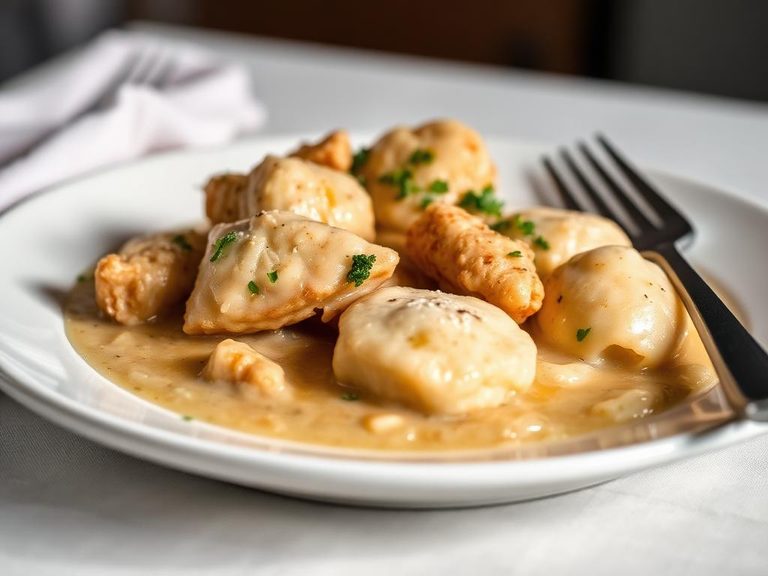
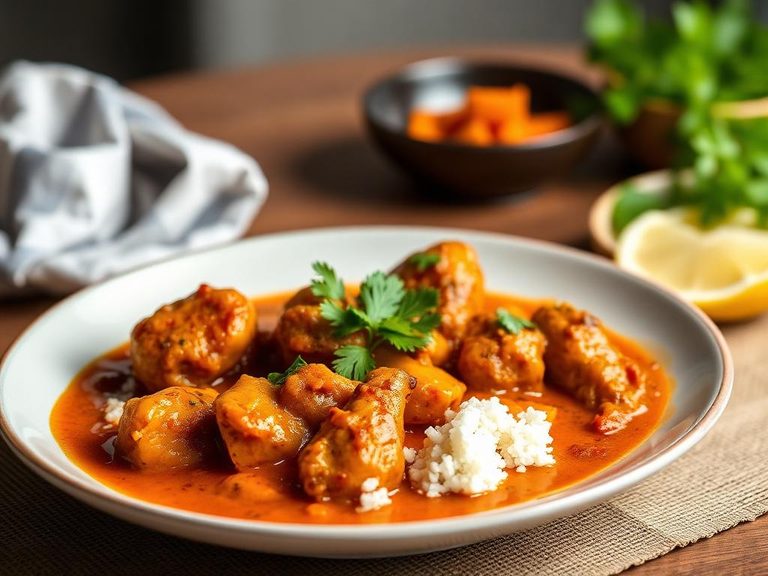
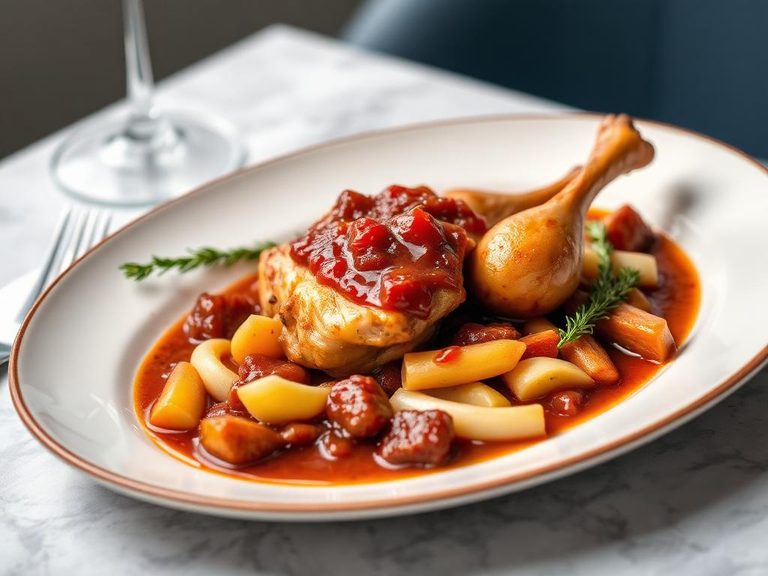
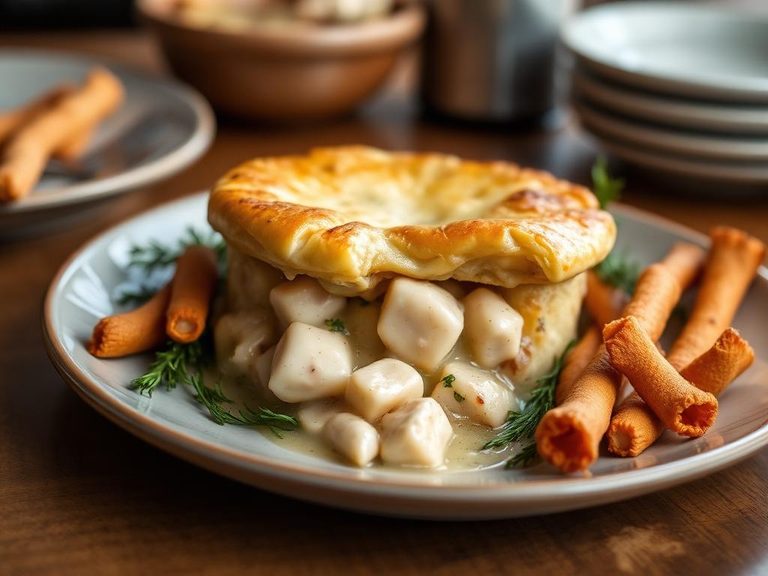
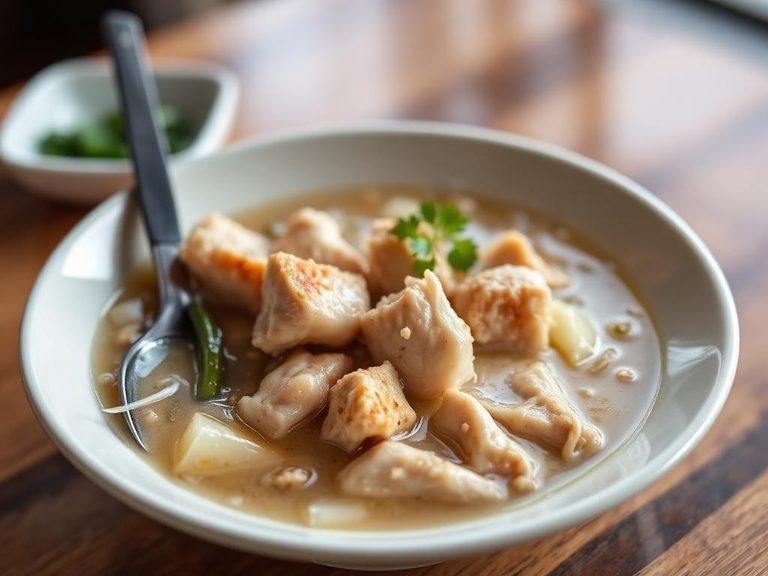
🌍 Where it's eaten
💡 Did you know?
The stewing method is a form of moist-heat cooking that breaks down collagen in the meat into gelatin, which is what gives the broth a rich mouthfeel and the meat its characteristic tenderness.
Full nutrition (USDA data · scales with serving)
| Water | 66.2 g |
| Energy | 184 kcal |
| Energy | 770 kj |
| Protein | 27.4 g |
| Total lipid (fat) | 7.4 g |
| Ash | 0.84 g |
| Carbohydrate, by difference | 0.00 g |
| Fiber, total dietary | 0.00 g |
| Total Sugars | 0.00 g |
| Calcium, Ca | 13.0 mg |
| Iron, Fe | 0.92 mg |
| Magnesium, Mg | 22.0 mg |
| Phosphorus, P | 156 mg |
| Potassium, K | 178 mg |
| Sodium, Na | 62.0 mg |
| Zinc, Zn | 0.97 mg |
| Copper, Cu | 0.04 mg |
| Manganese, Mn | 0.02 mg |
| Selenium, Se | 21.8 ug |
| Vitamin C, total ascorbic acid | 0.00 mg |
| Thiamin | 0.04 mg |
| Riboflavin | 0.12 mg |
| Niacin | 7.8 mg |
| Pantothenic acid | 0.55 mg |
| Vitamin B-6 | 0.29 mg |
| Folate, total | 3.0 ug |
| Folic acid | 0.00 ug |
| Folate, food | 3.0 ug |
| Folate, DFE | 3.0 ug |
| Choline, total | 64.4 mg |
| Betaine | 5.5 mg |
| Vitamin B-12 | 0.21 ug |
| Vitamin B-12, added | 0.00 ug |
| Vitamin A, RAE | 25.0 ug |
| Retinol | 25.0 ug |
| Carotene, beta | 0.00 ug |
| Carotene, alpha | 0.00 ug |
| Cryptoxanthin, beta | 0.00 ug |
| Vitamin A, IU | 82.0 iu |
| Lycopene | 0.00 ug |
| Lutein + zeaxanthin | 0.00 ug |
| Vitamin E (alpha-tocopherol) | 0.27 mg |
| Vitamin E, added | 0.00 mg |
| Vitamin D (D2 + D3), International Units | 5.0 iu |
| Vitamin D (D2 + D3) | 0.10 ug |
| Vitamin D3 (cholecalciferol) | 0.10 ug |
| Vitamin K (phylloquinone) | 0.20 ug |
| Vitamin K (Dihydrophylloquinone) | 0.00 ug |
| Alcohol, ethyl | 0.00 g |
| Caffeine | 0.00 mg |
| Theobromine | 0.00 mg |
Fat & fatty acid profile (per 100g)
| Fatty acids, total saturated | 2.1 g |
| SFA 4:0 | 0.00 g |
| SFA 6:0 | 0.00 g |
| SFA 8:0 | 0.00 g |
| SFA 10:0 | 0.00 g |
| SFA 12:0 | 0.01 g |
| SFA 14:0 | 0.06 g |
| SFA 16:0 | 1.5 g |
| SFA 18:0 | 0.42 g |
| Fatty acids, total monounsaturated | 2.9 g |
| MUFA 16:1 | 0.39 g |
| MUFA 18:1 | 2.4 g |
| MUFA 20:1 | 0.08 g |
| MUFA 22:1 | 0.00 g |
| Fatty acids, total polyunsaturated | 1.6 g |
| PUFA 18:2 | 1.4 g |
| PUFA 18:3 | 0.06 g |
| PUFA 18:4 | 0.00 g |
| PUFA 20:4 | 0.06 g |
| PUFA 20:5 n-3 (EPA) | 0.01 g |
| PUFA 22:5 n-3 (DPA) | 0.01 g |
| PUFA 22:6 n-3 (DHA) | 0.02 g |
| Cholesterol | 75.0 mg |
Amino acid profile (per 100g)
| Tryptophan | 0.31 g |
| Threonine | 1.1 g |
| Isoleucine | 1.4 g |
| Leucine | 2.0 g |
| Lysine | 2.3 g |
| Methionine | 0.74 g |
| Cystine | 0.36 g |
| Phenylalanine | 1.1 g |
| Tyrosine | 0.90 g |
| Valine | 1.3 g |
| Arginine | 1.7 g |
| Histidine | 0.82 g |
| Alanine | 1.6 g |
| Aspartic acid | 2.4 g |
| Glutamic acid | 4.0 g |
| Glycine | 1.6 g |
| Proline | 1.2 g |
| Serine | 0.96 g |
FAQ
Is stewed chicken breast healthier than fried?
Yes, stewing is a moist-heat cooking method that requires little to no added fat, resulting in a significantly lower calorie and fat content compared to frying, which adds oil and calories.
How do I prevent stewed chicken breast from becoming tough?
Avoid rapid boiling; maintain a gentle simmer. Ensure the chicken is fully submerged in liquid, and consider removing it as soon as it's cooked through, as it will continue to cook slightly in the hot broth.
Can I use the cooking liquid (broth)?
Absolutely! The broth becomes rich with flavor and nutrients from the chicken. It's perfect as a base for soups, sauces, or for cooking grains like rice or quinoa.
Nutrient density (calculated · NRF9.3)
Nutrient Rich Foods index: beneficial nutrients (protein, fiber, vitamins, minerals) minus saturated fat, added sugar & sodium, per 100 kcal.
NRF9.3 index — Fulgoni, Keast & Drewnowski, 2009. Computed from USDA nutrients.
Weight-loss friendliness (composite index)
Energy density 1.84 kcal/g · 60% calories from protein · 0.0 g fiber · 0.0 g sugar per 100 g.
Composite of energy density (Rolls et al., 1999), protein & fiber satiety, minus sugar. A calculated heuristic — ranks satiety-per-calorie, not a clinical measure.
Dietary load (calculated from USDA values)
Potential renal acid load. Positive = acid-forming, negative = alkaline-forming.
Sodium-to-potassium ratio: 0.35 (lower is better — aim for ≤ 1)
Sodium:potassium per WHO potassium guidance. Computed from USDA nutrients.