

Cheese, parmesan, shredded
Whole food · Dairy and Egg Products
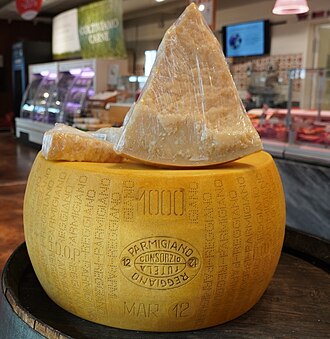
Photo: Wikipedia
Shredded Parmesan is a dry, granular cheese with a hard, crumbly texture and a complex, nutty, salty, and umami-rich flavor. It's a nutritional powerhouse, delivering an exceptional 37.86g of protein per 100g with minimal carbs and zero sugar.
Calorie split: 37% protein · 3% carbs · 60% fat
↓ Full nutrition💚 Why it's loved
People adore it for its intense, savory flavor that transforms simple dishes, and its incredible versatility as a topping, ingredient, or snack. It's a cornerstone of Italian culinary tradition, symbolizing quality and depth.
⚠️ Watch-outs & how to enjoy it better
Its high sodium and calorie density require portion awareness, and it's a common dairy allergen. To enjoy it wisely, use it as a potent flavor enhancer rather than a main component, measure portions, and pair it with fiber-rich vegetables or whole grains to balance the meal.
Key benefits
- Extremely high in protein for muscle maintenance and satiety
- Naturally low in carbohydrates and sugar
- Rich in calcium for bone health
- Contains conjugated linoleic acid (CLA), a beneficial fatty acid
- Provides glutamate for deep umami flavor, reducing need for added salt
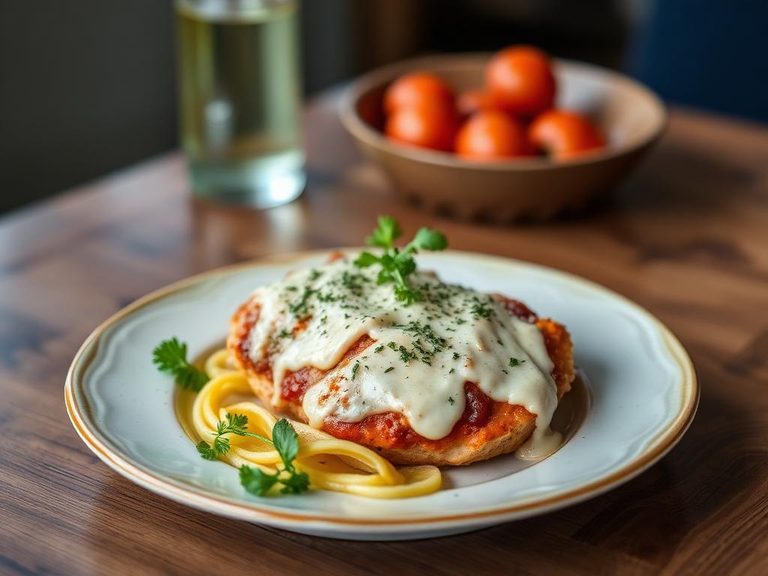
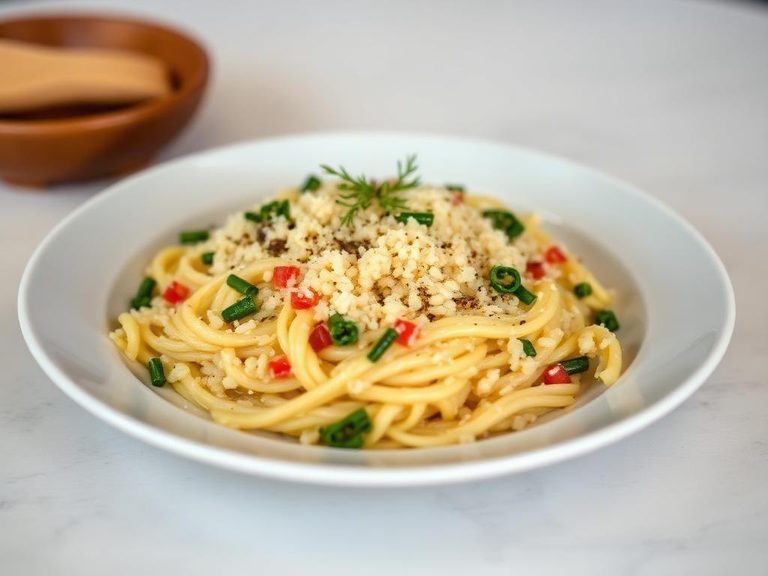
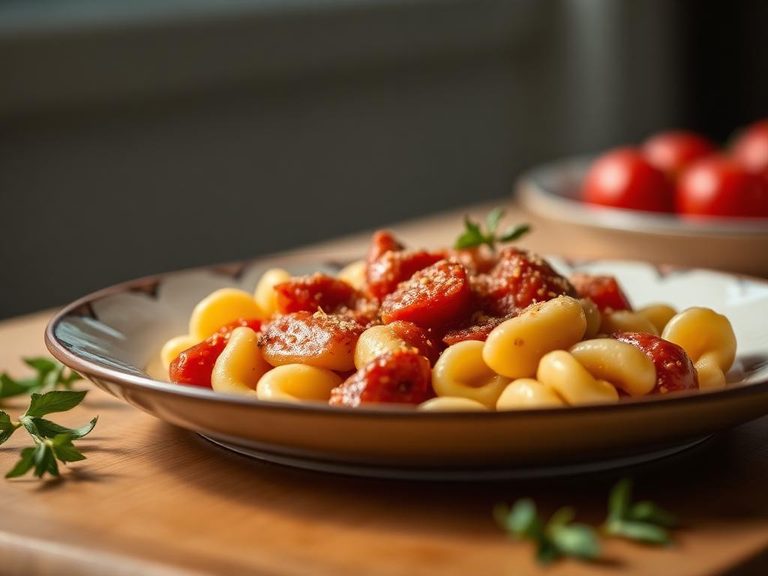
🍽️ Popular dishes
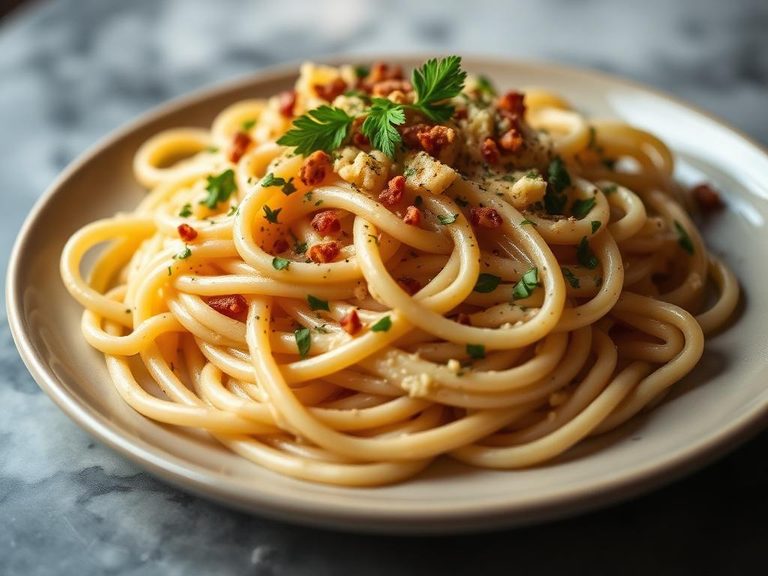
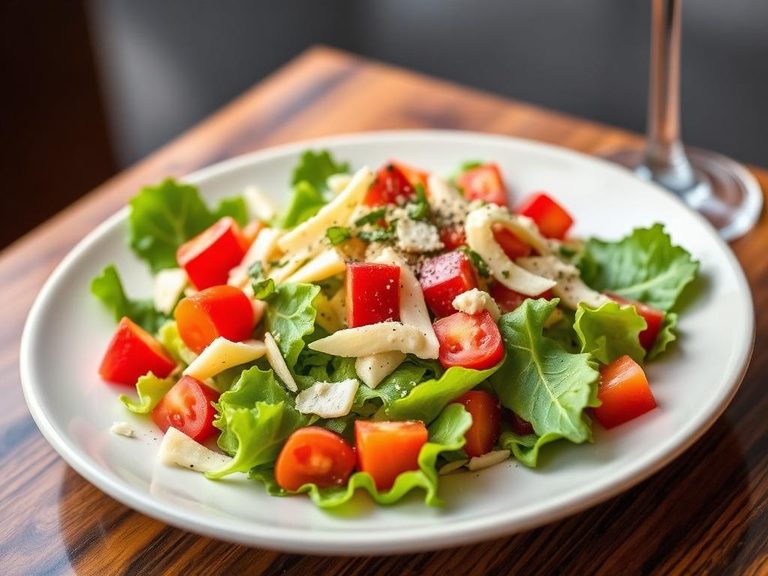
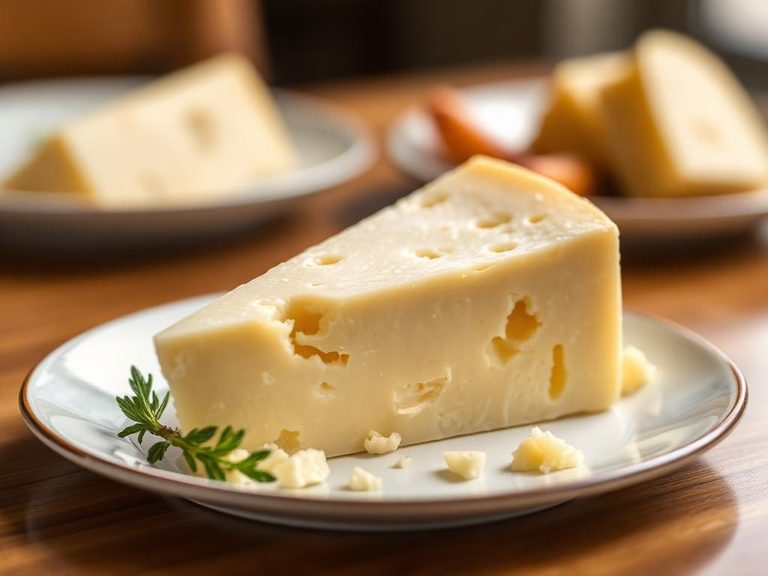
🌍 Where it's eaten
💡 Did you know?
Authentic Parmigiano-Reggiano wheels are marked with a unique dotted code on the rind, which acts as a traceable 'ID card' for the cheese's origin and production date.
Full nutrition (USDA data · scales with serving)
| Water | 25.0 g |
| Energy | 415 kcal |
| Energy | 1737 kj |
| Protein | 37.9 g |
| Total lipid (fat) | 27.3 g |
| Ash | 6.4 g |
| Carbohydrate, by difference | 3.4 g |
| Fiber, total dietary | 0.00 g |
| Total Sugars | 0.90 g |
| Calcium, Ca | 1253 mg |
| Iron, Fe | 0.87 mg |
| Magnesium, Mg | 51.0 mg |
| Phosphorus, P | 735 mg |
| Potassium, K | 97.0 mg |
| Sodium, Na | 1696 mg |
| Zinc, Zn | 3.2 mg |
| Copper, Cu | 0.04 mg |
| Manganese, Mn | 0.02 mg |
| Selenium, Se | 23.9 ug |
| Vitamin C, total ascorbic acid | 0.00 mg |
| Thiamin | 0.04 mg |
| Riboflavin | 0.35 mg |
| Niacin | 0.29 mg |
| Pantothenic acid | 0.53 mg |
| Vitamin B-6 | 0.10 mg |
| Folate, total | 8.0 ug |
| Folic acid | 0.00 ug |
| Folate, food | 8.0 ug |
| Folate, DFE | 8.0 ug |
| Choline, total | 15.4 mg |
| Vitamin B-12 | 1.4 ug |
| Vitamin B-12, added | 0.00 ug |
| Vitamin A, RAE | 229 ug |
| Retinol | 223 ug |
| Carotene, beta | 73.0 ug |
| Carotene, alpha | 0.00 ug |
| Cryptoxanthin, beta | 0.00 ug |
| Vitamin A, IU | 865 iu |
| Lycopene | 0.00 ug |
| Lutein + zeaxanthin | 0.00 ug |
| Vitamin E (alpha-tocopherol) | 0.25 mg |
| Vitamin E, added | 0.00 mg |
| Vitamin D (D2 + D3), International Units | 21.0 iu |
| Vitamin D (D2 + D3) | 0.50 ug |
| Vitamin D3 (cholecalciferol) | 0.50 ug |
| Vitamin K (phylloquinone) | 1.9 ug |
| Alcohol, ethyl | 0.00 g |
| Caffeine | 0.00 mg |
| Theobromine | 0.00 mg |
Fat & fatty acid profile (per 100g)
| Fatty acids, total saturated | 17.4 g |
| SFA 4:0 | 1.4 g |
| SFA 6:0 | 0.52 g |
| SFA 8:0 | 0.28 g |
| SFA 10:0 | 0.69 g |
| SFA 12:0 | 0.92 g |
| SFA 14:0 | 3.1 g |
| SFA 16:0 | 7.4 g |
| SFA 18:0 | 2.4 g |
| Fatty acids, total monounsaturated | 8.7 g |
| MUFA 16:1 | 0.46 g |
| MUFA 18:1 | 7.0 g |
| MUFA 20:1 | 0.18 g |
| MUFA 22:1 | 0.00 g |
| Fatty acids, total polyunsaturated | 0.66 g |
| PUFA 18:2 | 0.29 g |
| PUFA 18:3 | 0.34 g |
| PUFA 18:4 | 0.00 g |
| PUFA 20:4 | 0.00 g |
| PUFA 20:5 n-3 (EPA) | 0.00 g |
| PUFA 22:5 n-3 (DPA) | 0.00 g |
| PUFA 22:6 n-3 (DHA) | 0.00 g |
| Cholesterol | 72.0 mg |
Amino acid profile (per 100g)
| Tryptophan | 0.56 g |
| Threonine | 1.5 g |
| Isoleucine | 2.2 g |
| Leucine | 4.0 g |
| Lysine | 3.8 g |
| Methionine | 1.1 g |
| Cystine | 0.27 g |
| Phenylalanine | 2.2 g |
| Tyrosine | 2.3 g |
| Valine | 2.9 g |
| Arginine | 1.5 g |
| Histidine | 1.6 g |
| Alanine | 1.2 g |
| Aspartic acid | 2.6 g |
| Glutamic acid | 9.5 g |
| Glycine | 0.72 g |
| Proline | 4.9 g |
| Serine | 2.4 g |
FAQ
Is shredded Parmesan the same as freshly grated from a block?
Not exactly. Pre-shredded versions often contain anti-caking agents (like cellulose) that can affect melt and texture. Freshly grated from a block has superior flavor, aroma, and melting properties.
Can I use it in cooking, or is it only for topping?
It's excellent for both. Stir it into hot pasta off-heat to create a creamy sauce, melt it into risotto, or use it to form a crispy crust on baked dishes. Just avoid high-heat frying, which can make it tough.
How should I store it to keep it fresh?
Keep it in an airtight container in the refrigerator. For longer storage, wrap it tightly in plastic wrap and then foil, or place it in a sealed bag. It can also be frozen for several months without significant quality loss.
Nutrient density (calculated · NRF9.3)
Nutrient Rich Foods index: beneficial nutrients (protein, fiber, vitamins, minerals) minus saturated fat, added sugar & sodium, per 100 kcal.
NRF9.3 index — Fulgoni, Keast & Drewnowski, 2009. Computed from USDA nutrients.
Weight-loss friendliness (composite index)
Energy density 4.15 kcal/g · 36% calories from protein · 0.0 g fiber · 0.9 g sugar per 100 g.
Composite of energy density (Rolls et al., 1999), protein & fiber satiety, minus sugar. A calculated heuristic — ranks satiety-per-calorie, not a clinical measure.
Dietary load (calculated from USDA values)
Potential renal acid load. Positive = acid-forming, negative = alkaline-forming.
Sodium-to-potassium ratio: 17.48 (lower is better — aim for ≤ 1)
Sodium:potassium per WHO potassium guidance. Computed from USDA nutrients.