

Cheese, mozzarella, nonfat
Whole food · Dairy and Egg Products

Photo: Wikipedia
Nonfat mozzarella is a high-protein, low-calorie cheese made by stretching and kneading curds, resulting in a firm, springy texture with a mild, milky flavor. It delivers a substantial 31.7g of protein per 100g while containing zero fat, making it a standout choice for lean muscle support and calorie-conscious cooking. Its clean taste and excellent meltability make it a versatile staple in healthy kitchens.
Calorie split: 90% protein · 10% carbs · 0% fat
↓ Full nutrition💚 Why it's loved
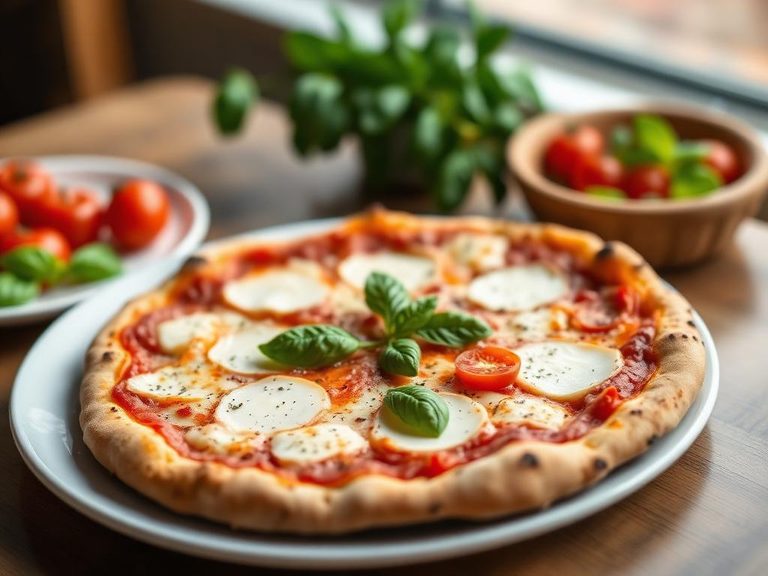
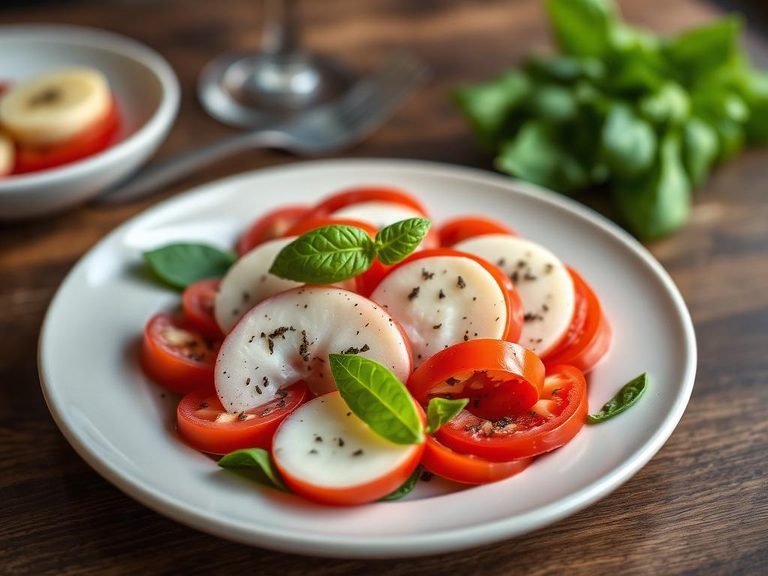
People love it for its incredible protein-to-calorie ratio and its ability to deliver that classic, satisfying cheese pull and melt without the fat. Its mild flavor makes it a perfect canvas for other ingredients, from spicy arrabbiata sauce to fresh basil.
⚠️ Watch-outs & how to enjoy it better
Being nonfat, it can lack the rich, creamy mouthfeel of full-fat mozzarella and may brown or burn more quickly when baked. It's also a dairy product, making it a common allergen for those with lactose intolerance or milk protein allergies. To counteract dryness, pair it with a small amount of healthy fat like olive oil or avocado, and monitor cooking time closely to prevent a rubbery texture.
Key benefits
- Excellent source of complete protein for muscle repair and satiety.
- Very low in calories and contains zero fat.
- Good source of calcium for bone health.
- Provides a small amount of dietary fiber.
- Naturally low in sugar.
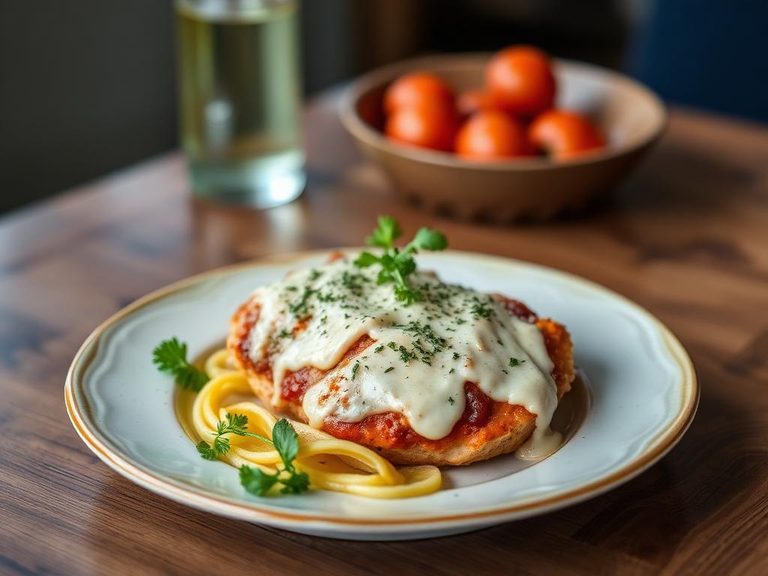
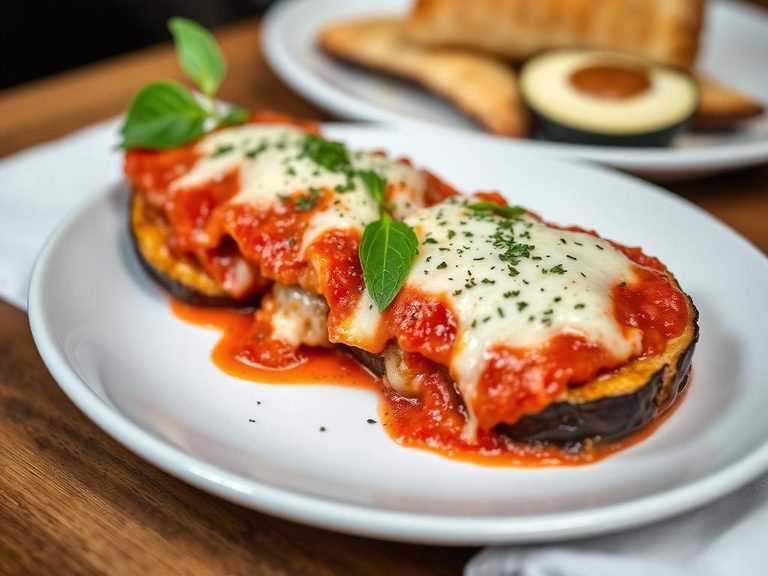
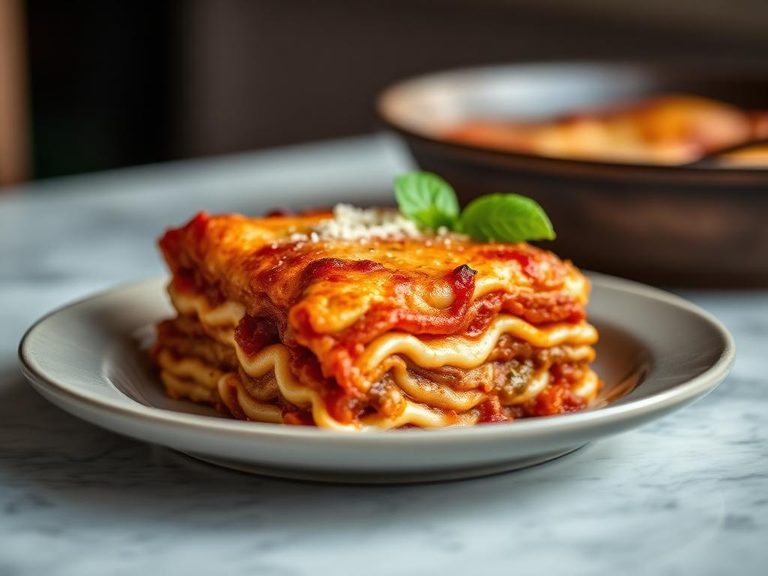
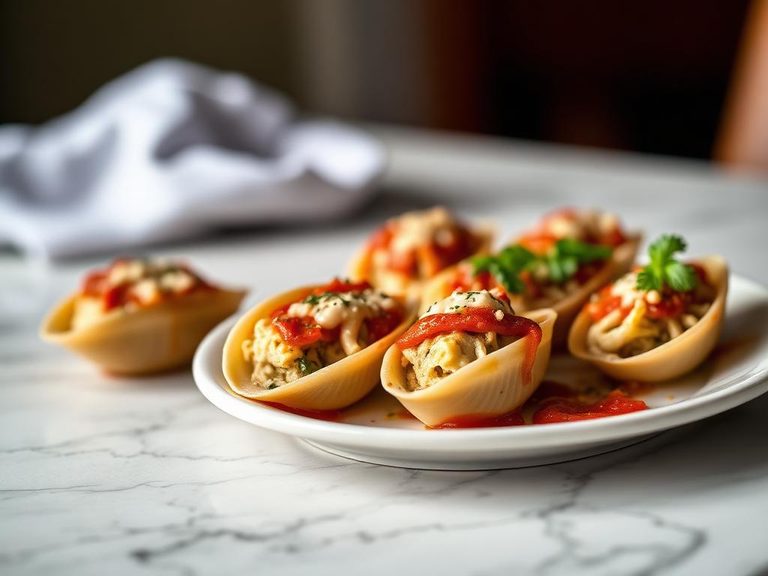
🍽️ Popular dishes
🌍 Where it's eaten
💡 Did you know?
Traditional mozzarella is classified as a 'pasta filata' or stretched-curd cheese, a technique believed to have been brought to Italy by nomadic tribes from the Asian steppes.
Full nutrition (USDA data · scales with serving)
| Water | 60.2 g |
| Energy | 141 kcal |
| Energy | 589 kj |
| Protein | 31.7 g |
| Total lipid (fat) | 0.00 g |
| Ash | 4.6 g |
| Carbohydrate, by difference | 3.5 g |
| Fiber, total dietary | 1.8 g |
| Total Sugars | 1.5 g |
| Calcium, Ca | 961 mg |
| Iron, Fe | 0.31 mg |
| Magnesium, Mg | 33.0 mg |
| Phosphorus, P | 656 mg |
| Potassium, K | 106 mg |
| Sodium, Na | 743 mg |
| Zinc, Zn | 3.9 mg |
| Copper, Cu | 0.03 mg |
| Selenium, Se | 18.9 ug |
| Vitamin C, total ascorbic acid | 0.00 mg |
| Thiamin | 0.02 mg |
| Riboflavin | 0.30 mg |
| Niacin | 0.12 mg |
| Vitamin B-6 | 0.08 mg |
| Folate, total | 10.0 ug |
| Folic acid | 0.00 ug |
| Folate, food | 10.0 ug |
| Folate, DFE | 10.0 ug |
| Choline, total | 15.4 mg |
| Vitamin B-12 | 0.92 ug |
| Vitamin B-12, added | 0.00 ug |
| Vitamin A, RAE | 127 ug |
| Retinol | 124 ug |
| Carotene, beta | 41.0 ug |
| Carotene, alpha | 0.00 ug |
| Cryptoxanthin, beta | 0.00 ug |
| Vitamin A, IU | 481 iu |
| Lycopene | 0.00 ug |
| Lutein + zeaxanthin | 0.00 ug |
| Vitamin E (alpha-tocopherol) | 0.14 mg |
| Vitamin E, added | 0.00 mg |
| Vitamin D (D2 + D3), International Units | 0.00 iu |
| Vitamin D (D2 + D3) | 0.00 ug |
| Vitamin D3 (cholecalciferol) | 0.00 ug |
| Vitamin K (phylloquinone) | 1.6 ug |
| Alcohol, ethyl | 0.00 g |
| Caffeine | 0.00 mg |
| Theobromine | 0.00 mg |
Fat & fatty acid profile (per 100g)
| Fatty acids, total saturated | 0.00 g |
| SFA 4:0 | 0.00 g |
| SFA 6:0 | 0.00 g |
| SFA 8:0 | 0.00 g |
| SFA 10:0 | 0.00 g |
| SFA 12:0 | 0.00 g |
| SFA 14:0 | 0.00 g |
| SFA 16:0 | 0.00 g |
| SFA 18:0 | 0.00 g |
| Fatty acids, total monounsaturated | 0.00 g |
| MUFA 16:1 | 0.00 g |
| MUFA 18:1 | 0.00 g |
| MUFA 20:1 | 0.00 g |
| MUFA 22:1 | 0.00 g |
| Fatty acids, total polyunsaturated | 0.00 g |
| PUFA 18:2 | 0.00 g |
| PUFA 18:3 | 0.00 g |
| PUFA 18:4 | 0.00 g |
| PUFA 20:4 | 0.00 g |
| PUFA 20:5 n-3 (EPA) | 0.00 g |
| PUFA 22:5 n-3 (DPA) | 0.00 g |
| PUFA 22:6 n-3 (DHA) | 0.00 g |
| Cholesterol | 18.0 mg |
Amino acid profile (per 100g)
Estimated from Cheese, cottage, with vegetables — USDA does not publish this profile for Cheese.
| Tryptophan | 0.13 g |
| Threonine | 0.53 g |
| Isoleucine | 0.70 g |
| Leucine | 1.2 g |
| Lysine | 0.97 g |
| Methionine | 0.36 g |
| Cystine | 0.11 g |
| Phenylalanine | 0.65 g |
| Tyrosine | 0.64 g |
| Valine | 0.74 g |
| Arginine | 0.55 g |
| Histidine | 0.40 g |
| Alanine | 0.62 g |
| Aspartic acid | 0.82 g |
| Glutamic acid | 2.6 g |
| Glycine | 0.27 g |
| Proline | 1.4 g |
| Serine | 0.67 g |
FAQ
How does nonfat mozzarella taste compared to regular?
It has a similar mild, milky flavor but with a noticeably firmer, less creamy texture. The lack of fat means it doesn't have the same rich mouthfeel and can be slightly drier.
Can I use it on pizza?
Absolutely. It melts and stretches well, but it may not release as much oil and can brown faster. For best results, use it in combination with a small amount of a lower-moisture, part-skim mozzarella for better texture and browning.
Is it a good option for people watching their cholesterol?
Yes. Since it contains 0g of fat, it has 0mg of cholesterol, making it a heart-healthy cheese option compared to full-fat varieties.
Nutrient density (calculated · NRF9.3)
Nutrient Rich Foods index: beneficial nutrients (protein, fiber, vitamins, minerals) minus saturated fat, added sugar & sodium, per 100 kcal.
NRF9.3 index — Fulgoni, Keast & Drewnowski, 2009. Computed from USDA nutrients.
Weight-loss friendliness (composite index)
Energy density 1.41 kcal/g · 90% calories from protein · 1.8 g fiber · 1.5 g sugar per 100 g.
Composite of energy density (Rolls et al., 1999), protein & fiber satiety, minus sugar. A calculated heuristic — ranks satiety-per-calorie, not a clinical measure.
Dietary load (calculated from USDA values)
Potential renal acid load. Positive = acid-forming, negative = alkaline-forming.
Sodium-to-potassium ratio: 7.01 (lower is better — aim for ≤ 1)
Sodium:potassium per WHO potassium guidance. Computed from USDA nutrients.