

Cheese, low fat, cheddar or colby
Whole food · Dairy and Egg Products

Photo: Wikipedia
This is a leaner take on the classic cheddar or colby, offering a firm yet smooth texture and a sharp, tangy flavor with a creamy finish. Nutritionally, it's a powerhouse of protein with minimal fat and carbs, making it a satisfying choice for those watching their intake.
Calorie split: 58% protein · 5% carbs · 37% fat
↓ Full nutrition💚 Why it's loved
People love it for delivering the familiar, sharp bite of cheddar without the full fat content, making it a versatile staple for sandwiches, salads, and snacks. Its meltability and flavor make it a go-to for healthier versions of classic comfort foods.
⚠️ Watch-outs & how to enjoy it better
The reduced fat can sometimes result in a slightly drier texture or less complex flavor than full-fat versions, and it may not melt as smoothly. Those monitoring sodium intake should be mindful, as cheese is typically high in salt. To counteract dryness, try shredding it finely or pairing it with moist ingredients like tomatoes or avocado in dishes.
Key benefits
- Excellent source of high-quality protein
- Very low in carbohydrates and sugars
- Significantly lower in fat than regular cheddar
- Good source of calcium and phosphorus
- Provides conjugated linoleic acid (CLA)
🍽️ Popular dishes
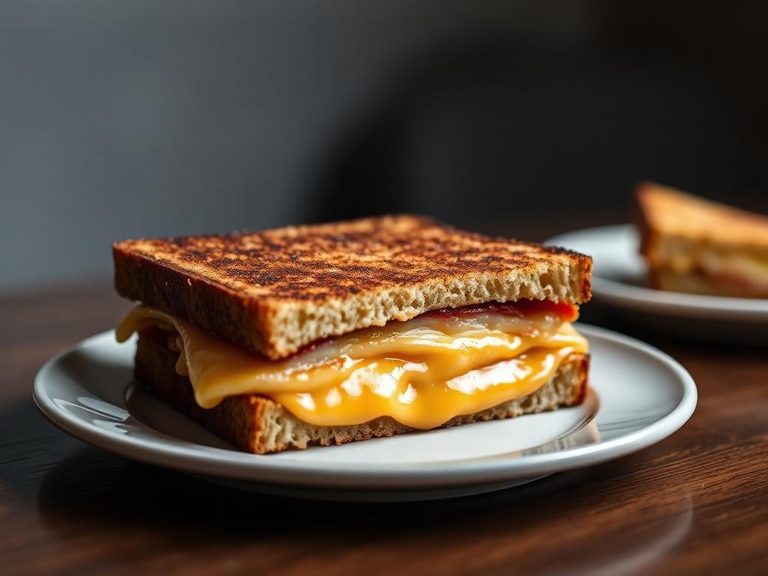
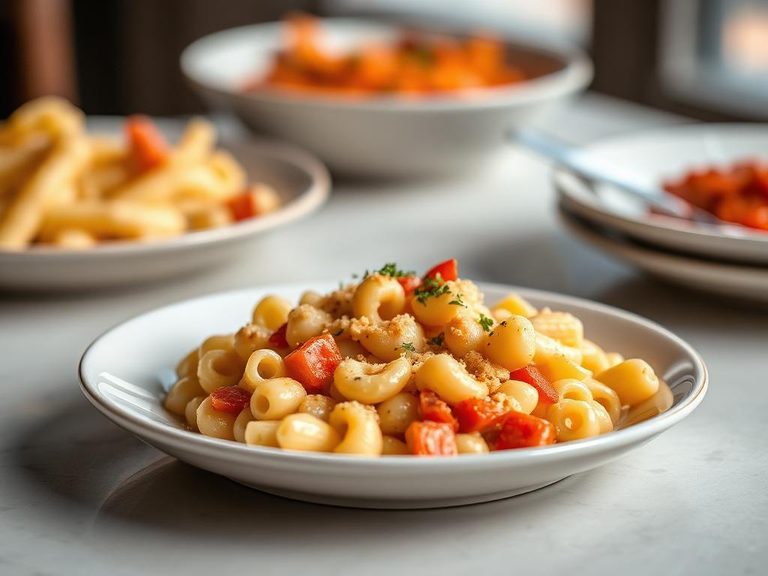
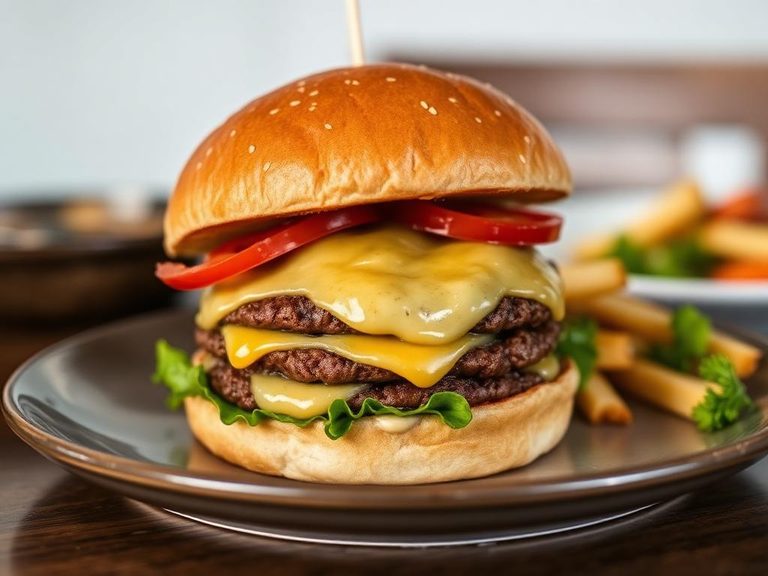
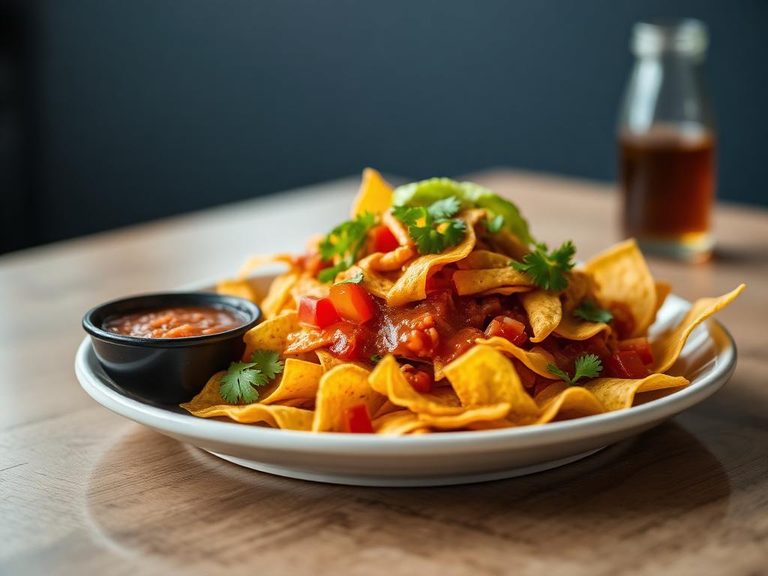
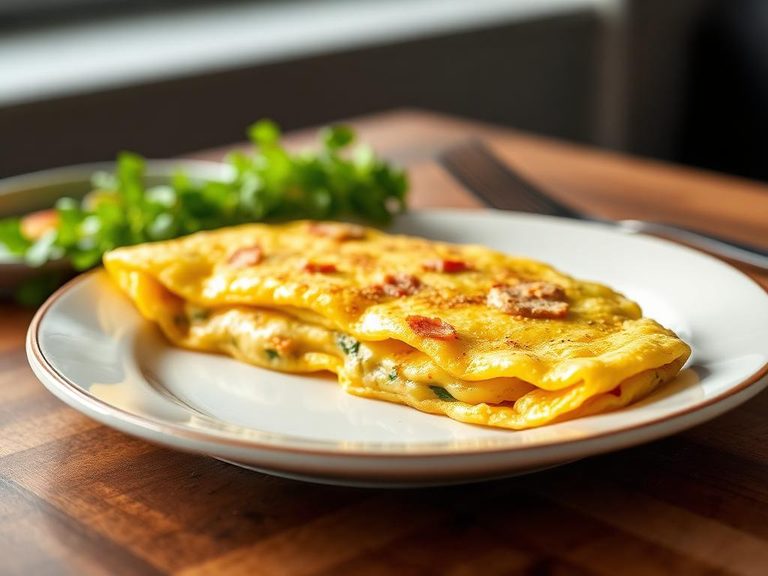
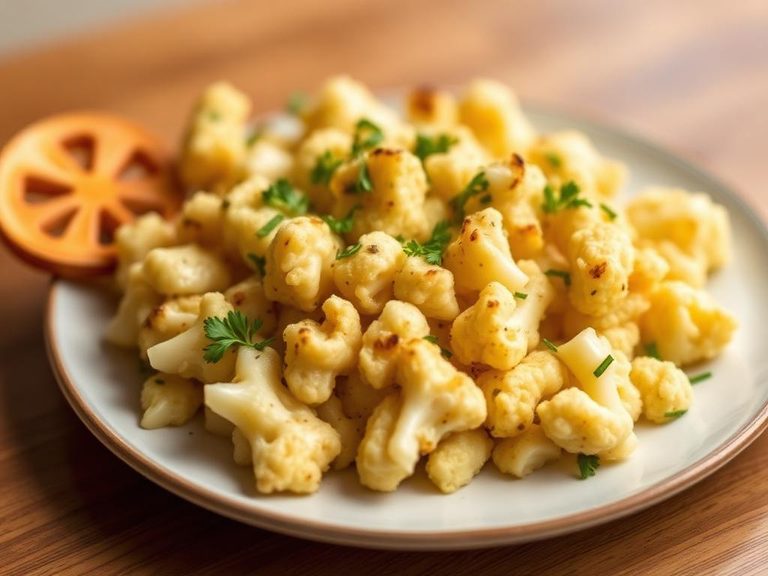
🌍 Where it's eaten
💡 Did you know?
Low-fat cheddar is often aged for a shorter period than its full-fat counterpart, as the lower fat content can make it prone to cracking during a long aging process.
Full nutrition (USDA data · scales with serving)
| Water | 63.1 g |
| Energy | 173 kcal |
| Energy | 724 kj |
| Protein | 24.4 g |
| Total lipid (fat) | 7.0 g |
| Ash | 3.6 g |
| Carbohydrate, by difference | 1.9 g |
| Fiber, total dietary | 0.00 g |
| Total Sugars | 0.52 g |
| Calcium, Ca | 415 mg |
| Iron, Fe | 0.42 mg |
| Magnesium, Mg | 16.0 mg |
| Phosphorus, P | 484 mg |
| Potassium, K | 66.0 mg |
| Sodium, Na | 873 mg |
| Zinc, Zn | 1.8 mg |
| Copper, Cu | 0.02 mg |
| Manganese, Mn | 0.01 mg |
| Selenium, Se | 14.5 ug |
| Fluoride, F | 34.9 ug |
| Vitamin C, total ascorbic acid | 0.00 mg |
| Thiamin | 0.01 mg |
| Riboflavin | 0.22 mg |
| Niacin | 0.05 mg |
| Pantothenic acid | 0.18 mg |
| Vitamin B-6 | 0.04 mg |
| Folate, total | 11.0 ug |
| Folic acid | 0.00 ug |
| Folate, food | 11.0 ug |
| Folate, DFE | 11.0 ug |
| Choline, total | 15.4 mg |
| Vitamin B-12 | 0.49 ug |
| Vitamin B-12, added | 0.00 ug |
| Vitamin A, RAE | 60.0 ug |
| Retinol | 60.0 ug |
| Carotene, beta | 4.0 ug |
| Carotene, alpha | 0.00 ug |
| Cryptoxanthin, beta | 0.00 ug |
| Vitamin A, IU | 207 iu |
| Lycopene | 0.00 ug |
| Lutein + zeaxanthin | 0.00 ug |
| Vitamin E (alpha-tocopherol) | 0.06 mg |
| Vitamin E, added | 0.00 mg |
| Vitamin D (D2 + D3), International Units | 5.0 iu |
| Vitamin D (D2 + D3) | 0.10 ug |
| Vitamin D3 (cholecalciferol) | 0.10 ug |
| Vitamin K (phylloquinone) | 0.60 ug |
| Alcohol, ethyl | 0.00 g |
| Caffeine | 0.00 mg |
| Theobromine | 0.00 mg |
Fat & fatty acid profile (per 100g)
| Fatty acids, total saturated | 4.3 g |
| SFA 4:0 | 0.22 g |
| SFA 6:0 | 0.06 g |
| SFA 8:0 | 0.07 g |
| SFA 10:0 | 0.14 g |
| SFA 12:0 | 0.10 g |
| SFA 14:0 | 0.89 g |
| SFA 16:0 | 2.0 g |
| SFA 18:0 | 0.87 g |
| Fatty acids, total monounsaturated | 2.1 g |
| MUFA 16:1 | 0.23 g |
| MUFA 18:1 | 1.9 g |
| MUFA 20:1 | 0.00 g |
| MUFA 22:1 | 0.00 g |
| Fatty acids, total polyunsaturated | 0.22 g |
| PUFA 18:2 | 0.16 g |
| PUFA 18:3 | 0.07 g |
| PUFA 18:4 | 0.00 g |
| PUFA 20:4 | 0.00 g |
| PUFA 20:5 n-3 (EPA) | 0.00 g |
| PUFA 22:5 n-3 (DPA) | 0.00 g |
| PUFA 22:6 n-3 (DHA) | 0.00 g |
| Cholesterol | 21.0 mg |
Amino acid profile (per 100g)
| Tryptophan | 0.29 g |
| Threonine | 0.80 g |
| Isoleucine | 1.4 g |
| Leucine | 2.1 g |
| Lysine | 1.9 g |
| Methionine | 0.59 g |
| Cystine | 0.11 g |
| Phenylalanine | 1.2 g |
| Tyrosine | 1.1 g |
| Valine | 1.5 g |
| Arginine | 0.85 g |
| Histidine | 0.79 g |
| Alanine | 0.63 g |
| Aspartic acid | 1.4 g |
| Glutamic acid | 5.5 g |
| Glycine | 0.39 g |
| Proline | 2.5 g |
| Serine | 1.3 g |
FAQ
Does low-fat cheddar melt as well as regular cheddar?
It can, but it may not become as smooth or creamy due to the lower fat content. For best results, shred it finely and melt it slowly over low to medium heat, often with a splash of milk or mixed with a small amount of full-fat cheese.
Is low-fat cheddar a good option for people with diabetes?
Yes, it can be an excellent choice. Its very low carbohydrate content means it has minimal impact on blood sugar levels, and its high protein content can help promote satiety and stabilize blood sugar when eaten as part of a balanced meal.
How does the sodium content compare to regular cheddar?
The sodium content is generally similar between low-fat and regular cheddar, as salt is a key preservative and flavor enhancer in cheese. Always check the nutrition label, but be aware that cheese is a high-sodium food regardless of fat content.
Nutrient density (calculated · NRF9.3)
Nutrient Rich Foods index: beneficial nutrients (protein, fiber, vitamins, minerals) minus saturated fat, added sugar & sodium, per 100 kcal.
NRF9.3 index — Fulgoni, Keast & Drewnowski, 2009. Computed from USDA nutrients.
Weight-loss friendliness (composite index)
Energy density 1.73 kcal/g · 56% calories from protein · 0.0 g fiber · 0.5 g sugar per 100 g.
Composite of energy density (Rolls et al., 1999), protein & fiber satiety, minus sugar. A calculated heuristic — ranks satiety-per-calorie, not a clinical measure.
Dietary load (calculated from USDA values)
Potential renal acid load. Positive = acid-forming, negative = alkaline-forming.
Sodium-to-potassium ratio: 13.23 (lower is better — aim for ≤ 1)
Sodium:potassium per WHO potassium guidance. Computed from USDA nutrients.