

Beverages, Malt liquor beverage
Whole food · Beverages

Photo: Wikipedia
Malt liquor is a strong, carbonated beer brewed with extra malt and sugar, delivering a potent, often sweet, and bready flavor profile. Its nutrition is stark: a mere 40 calories per 100g, with negligible protein, carbs, or fat, reflecting its high alcohol and water content. This beverage is defined by its strength, not its nutritional complexity.
Calorie split: 100% protein · 0% carbs · 0% fat
↓ Full nutrition💚 Why it's loved
People are drawn to malt liquor for its high alcohol content, offering significant potency at a lower cost. Its bold, sometimes sweet, corn-forward flavor is a specific taste preference for those who enjoy it.
⚠️ Watch-outs & how to enjoy it better
The primary downside is the high alcohol content, which can lead to rapid intoxication and associated health risks; it should be consumed with extreme moderation. Concrete tips include alternating with water, eating a substantial meal beforehand, and setting a strict drink limit. It is not suitable for those avoiding alcohol for health, religious, or personal reasons.
Key benefits
- Provides a concentrated source of ethanol calories.
- Offers a distinct, bold flavor profile for some palates.
- Historically an affordable source of alcohol.
- Used in some cooking for flavor deglazing.
🍽️ Popular dishes
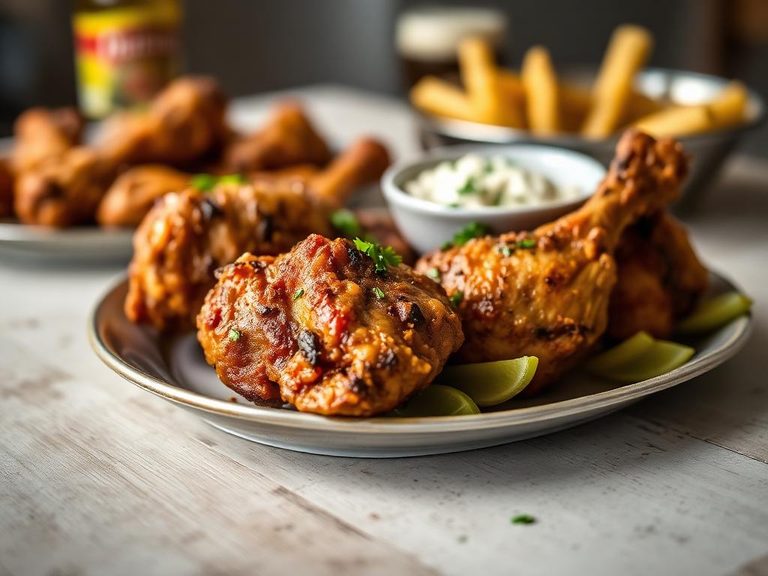
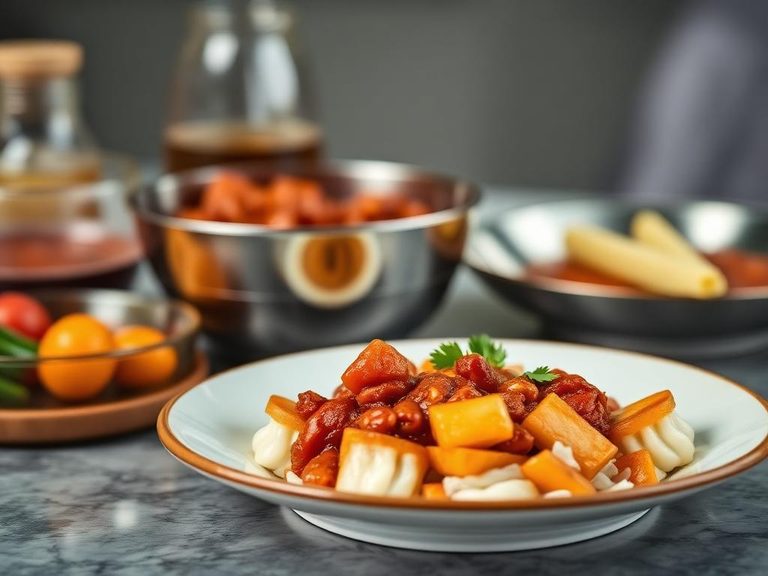
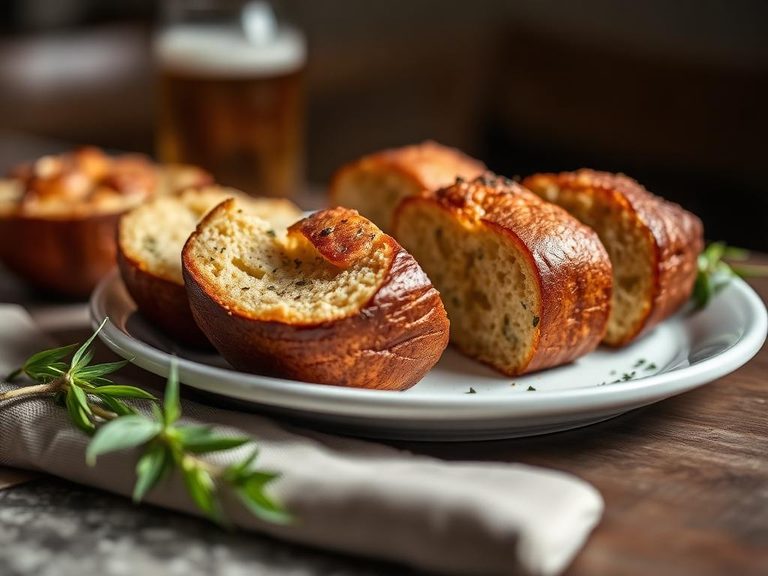
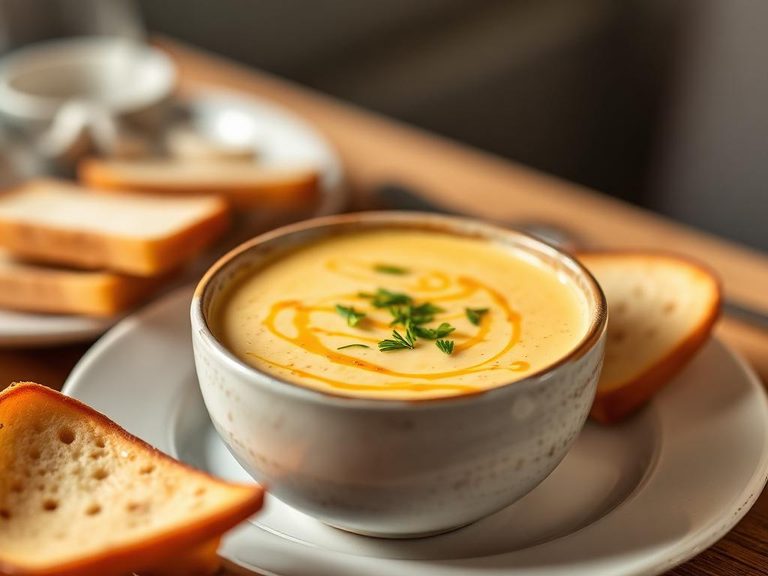
🌍 Where it's eaten
💡 Did you know?
The term 'malt liquor' in the U.S. is a legal definition, typically denoting beer with an alcohol content over 5% ABV, often achieved by adding sugars like corn or dextrose.
Full nutrition (USDA data · scales with serving)
| Water | 94.5 g |
| Energy | 40.0 kcal |
| Energy | 165 kj |
| Protein | 0.35 g |
| Total lipid (fat) | 0.00 g |
| Ash | 0.07 g |
| Carbohydrate, by difference | 0.00 g |
| Fiber, total dietary | 0.00 g |
| Total Sugars | 0.00 g |
| Sucrose | 0.00 g |
| Glucose | 0.00 g |
| Fructose | 0.00 g |
| Lactose | 0.00 g |
| Maltose | 0.00 g |
| Galactose | 0.00 g |
| Calcium, Ca | 3.0 mg |
| Iron, Fe | 0.03 mg |
| Magnesium, Mg | 5.0 mg |
| Phosphorus, P | 13.0 mg |
| Potassium, K | 33.0 mg |
| Sodium, Na | 3.0 mg |
| Zinc, Zn | 0.08 mg |
| Copper, Cu | 0.01 mg |
| Manganese, Mn | 0.01 mg |
| Selenium, Se | 0.00 ug |
| Vitamin C, total ascorbic acid | 0.00 mg |
| Thiamin | 0.03 mg |
| Riboflavin | 0.04 mg |
| Niacin | 0.40 mg |
| Pantothenic acid | 0.15 mg |
| Vitamin B-6 | 0.04 mg |
| Folate, total | 4.0 ug |
| Folic acid | 0.00 ug |
| Folate, food | 4.0 ug |
| Folate, DFE | 4.0 ug |
| Choline, total | 0.00 mg |
| Vitamin B-12 | 0.00 ug |
| Vitamin B-12, added | 0.00 ug |
| Vitamin A, RAE | 0.00 ug |
| Retinol | 0.00 ug |
| Carotene, beta | 0.00 ug |
| Carotene, alpha | 0.00 ug |
| Cryptoxanthin, beta | 0.00 ug |
| Vitamin A, IU | 0.00 iu |
| Lycopene | 0.00 ug |
| Lutein + zeaxanthin | 0.00 ug |
| Vitamin E (alpha-tocopherol) | 0.00 mg |
| Vitamin E, added | 0.00 mg |
| Vitamin D (D2 + D3), International Units | 0.00 iu |
| Vitamin D (D2 + D3) | 0.00 ug |
| Vitamin K (phylloquinone) | 0.00 ug |
| Alcohol, ethyl | 5.5 g |
| Caffeine | 0.00 mg |
| Theobromine | 0.00 mg |
Fat & fatty acid profile (per 100g)
| Fatty acids, total saturated | 0.00 g |
| SFA 4:0 | 0.00 g |
| SFA 6:0 | 0.00 g |
| SFA 8:0 | 0.00 g |
| SFA 10:0 | 0.00 g |
| SFA 12:0 | 0.00 g |
| SFA 14:0 | 0.00 g |
| SFA 16:0 | 0.00 g |
| SFA 18:0 | 0.00 g |
| Fatty acids, total monounsaturated | 0.00 g |
| MUFA 16:1 | 0.00 g |
| MUFA 18:1 | 0.00 g |
| MUFA 20:1 | 0.00 g |
| MUFA 22:1 | 0.00 g |
| Fatty acids, total polyunsaturated | 0.00 g |
| PUFA 18:2 | 0.00 g |
| PUFA 18:3 | 0.00 g |
| PUFA 18:4 | 0.00 g |
| PUFA 20:4 | 0.00 g |
| PUFA 20:5 n-3 (EPA) | 0.00 g |
| PUFA 22:5 n-3 (DPA) | 0.00 g |
| PUFA 22:6 n-3 (DHA) | 0.00 g |
| Cholesterol | 0.00 mg |
Amino acid profile (per 100g)
Estimated from Beverages, carbonated, tonic water — USDA does not publish this profile for Beverages.
| Tryptophan | 0.00 g |
| Threonine | 0.00 g |
| Isoleucine | 0.00 g |
| Leucine | 0.00 g |
| Lysine | 0.00 g |
| Methionine | 0.00 g |
| Cystine | 0.00 g |
| Phenylalanine | 0.00 g |
| Tyrosine | 0.00 g |
| Valine | 0.00 g |
| Arginine | 0.00 g |
| Histidine | 0.00 g |
| Alanine | 0.00 g |
| Aspartic acid | 0.00 g |
| Glutamic acid | 0.00 g |
| Glycine | 0.00 g |
| Proline | 0.00 g |
| Serine | 0.00 g |
FAQ
How is malt liquor different from regular beer?
Malt liquor is typically stronger (higher ABV), often uses adjunct sugars for a bolder flavor, and is marketed in larger containers at a lower price point than standard beers.
Is malt liquor gluten-free?
No, it is brewed from malted barley or other grains containing gluten and is not safe for individuals with celiac disease or gluten sensitivity.
Can I cook with malt liquor?
Yes, its strong flavor can be used in batters, stews, or chili, but it will impart a distinct taste and its alcohol content should be cooked off if serving to children or avoiding alcohol.
Nutrient density (calculated · NRF9.3)
Nutrient Rich Foods index: beneficial nutrients (protein, fiber, vitamins, minerals) minus saturated fat, added sugar & sodium, per 100 kcal.
NRF9.3 index — Fulgoni, Keast & Drewnowski, 2009. Computed from USDA nutrients.
Weight-loss friendliness (composite index)
Energy density 0.40 kcal/g · 3% calories from protein · 0.0 g fiber · 0.0 g sugar per 100 g.
Composite of energy density (Rolls et al., 1999), protein & fiber satiety, minus sugar. A calculated heuristic — ranks satiety-per-calorie, not a clinical measure.
Dietary load (calculated from USDA values)
Potential renal acid load. Positive = acid-forming, negative = alkaline-forming.
Sodium-to-potassium ratio: 0.09 (lower is better — aim for ≤ 1)
Sodium:potassium per WHO potassium guidance. Computed from USDA nutrients.