

Beef, variety meats and by-products, suet, raw
Whole food · Beef Products

Photo: Wikipedia
Raw beef suet is the hard, white fat found around the kidneys and loins of cattle, prized for its high melting point and clean, rich flavor. It has a waxy, crumbly texture when cold and renders into a clear, golden liquid when heated, leaving behind crispy, savory cracklings. Nutritionally, it is almost pure fat, providing a dense source of calories and energy with negligible protein or carbohydrates.
Calorie split: 1% protein · 0% carbs · 99% fat
↓ Full nutrition💚 Why it's loved
People love suet for its ability to add unparalleled richness, moisture, and flakiness to baked goods like pastry and dumplings. Its clean, beefy flavor and cultural significance in traditional British and colonial American cuisine make it a cherished, nostalgic ingredient.
⚠️ Watch-outs & how to enjoy it better
Suet is extremely high in saturated fat and calories, which can be a concern for heart health and weight management if consumed in excess. To counteract this, use it sparingly as a flavoring or leavening agent rather than a primary fat, and pair it with fiber-rich vegetables or lean proteins to balance the meal.
Key benefits
- High in saturated fat, which provides a stable and long-lasting energy source.
- Contains fat-soluble vitamins like Vitamin A, D, E, and K.
- A traditional ingredient for making flaky pastry crusts and rich puddings.
- Excellent for rendering into tallow, a versatile cooking fat with a high smoke point.
🍽️ Popular dishes
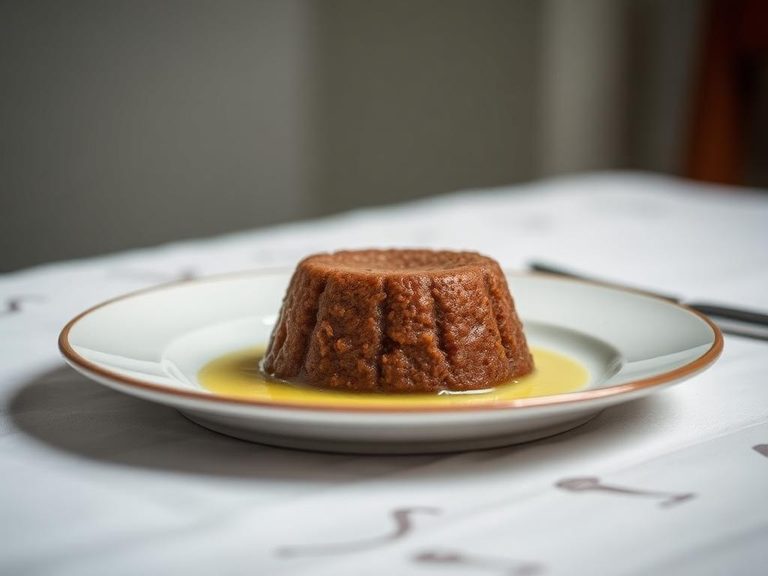
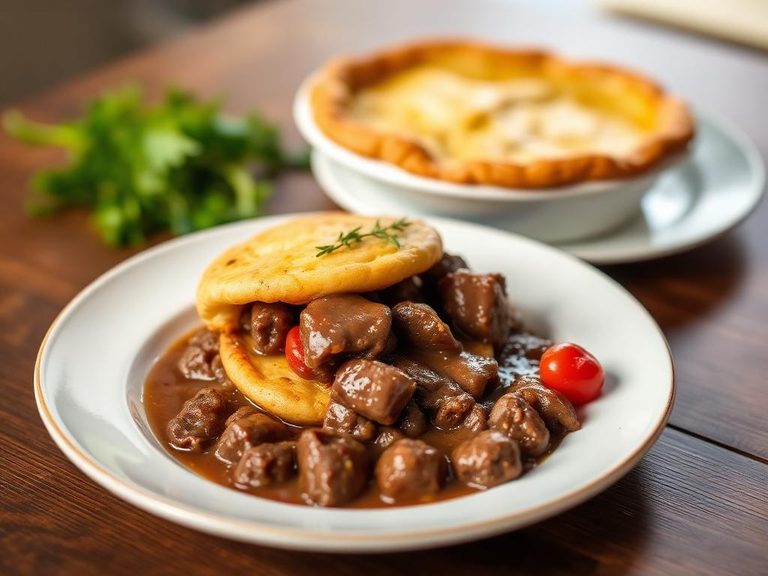
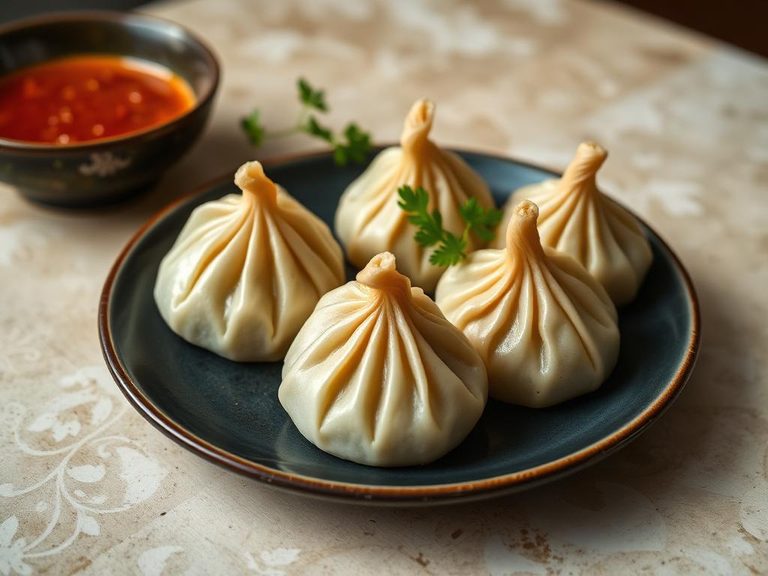
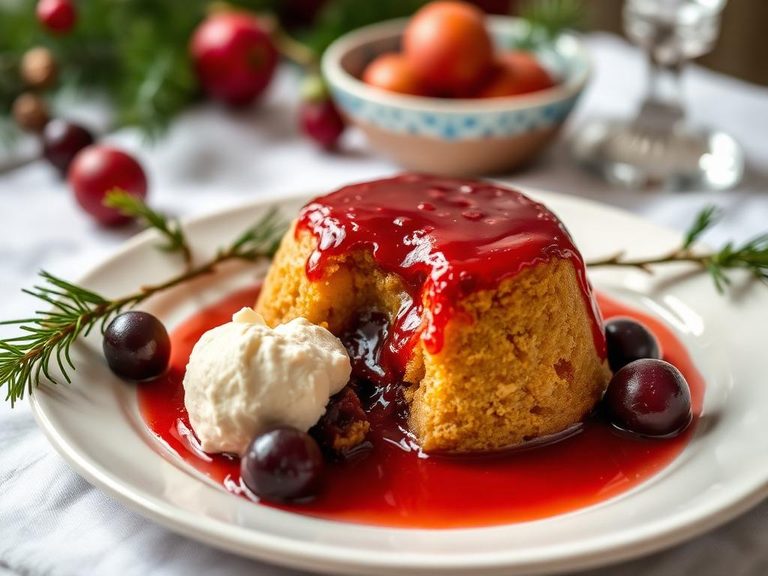


🌍 Where it's eaten
💡 Did you know?
Suet was historically used to make candles and soap before the widespread availability of paraffin and vegetable oils.
Full nutrition (USDA data · scales with serving)
| Water | 4.0 g |
| Energy | 854 kcal |
| Energy | 3573 kj |
| Protein | 1.5 g |
| Total lipid (fat) | 94.0 g |
| Ash | 0.10 g |
| Carbohydrate, by difference | 0.00 g |
| Fiber, total dietary | 0.00 g |
| Total Sugars | 0.00 g |
| Calcium, Ca | 2.0 mg |
| Iron, Fe | 0.17 mg |
| Magnesium, Mg | 1.0 mg |
| Phosphorus, P | 15.0 mg |
| Potassium, K | 16.0 mg |
| Sodium, Na | 7.0 mg |
| Zinc, Zn | 0.22 mg |
| Copper, Cu | 0.01 mg |
| Manganese, Mn | 0.00 mg |
| Selenium, Se | 0.20 ug |
| Vitamin C, total ascorbic acid | 0.00 mg |
| Thiamin | 0.01 mg |
| Riboflavin | 0.01 mg |
| Niacin | 0.26 mg |
| Pantothenic acid | 0.06 mg |
| Vitamin B-6 | 0.03 mg |
| Folate, total | 1.0 ug |
| Folic acid | 0.00 ug |
| Folate, food | 1.0 ug |
| Folate, DFE | 1.0 ug |
| Choline, total | 5.6 mg |
| Betaine | 0.30 mg |
| Vitamin B-12 | 0.27 ug |
| Vitamin B-12, added | 0.00 ug |
| Vitamin A, RAE | 0.00 ug |
| Retinol | 0.00 ug |
| Carotene, beta | 0.00 ug |
| Carotene, alpha | 0.00 ug |
| Cryptoxanthin, beta | 0.00 ug |
| Vitamin A, IU | 0.00 iu |
| Lycopene | 0.00 ug |
| Lutein + zeaxanthin | 0.00 ug |
| Vitamin E (alpha-tocopherol) | 1.5 mg |
| Vitamin E, added | 0.00 mg |
| Vitamin K (phylloquinone) | 3.6 ug |
| Vitamin K (Dihydrophylloquinone) | 0.00 ug |
| Alcohol, ethyl | 0.00 g |
| Caffeine | 0.00 mg |
| Theobromine | 0.00 mg |
Fat & fatty acid profile (per 100g)
| Fatty acids, total saturated | 52.3 g |
| SFA 4:0 | 0.00 g |
| SFA 6:0 | 0.00 g |
| SFA 8:0 | 0.00 g |
| SFA 10:0 | 0.00 g |
| SFA 12:0 | 0.07 g |
| SFA 14:0 | 2.8 g |
| SFA 16:0 | 22.6 g |
| SFA 18:0 | 24.7 g |
| Fatty acids, total monounsaturated | 31.5 g |
| MUFA 16:1 | 2.2 g |
| MUFA 18:1 | 28.9 g |
| MUFA 20:1 | 0.00 g |
| MUFA 22:1 | 0.00 g |
| Fatty acids, total polyunsaturated | 3.2 g |
| PUFA 18:2 | 2.1 g |
| PUFA 18:3 | 0.86 g |
| PUFA 18:4 | 0.00 g |
| PUFA 20:4 | 0.00 g |
| PUFA 20:5 n-3 (EPA) | 0.00 g |
| PUFA 22:5 n-3 (DPA) | 0.00 g |
| PUFA 22:6 n-3 (DHA) | 0.00 g |
| Cholesterol | 68.0 mg |
| Phytosterols | 0.00 mg |
Amino acid profile (per 100g)
| Tryptophan | 0.01 g |
| Threonine | 0.06 g |
| Isoleucine | 0.07 g |
| Leucine | 0.12 g |
| Lysine | 0.13 g |
| Methionine | 0.04 g |
| Cystine | 0.02 g |
| Phenylalanine | 0.06 g |
| Tyrosine | 0.05 g |
| Valine | 0.07 g |
| Arginine | 0.10 g |
| Histidine | 0.05 g |
| Alanine | 0.09 g |
| Aspartic acid | 0.14 g |
| Glutamic acid | 0.23 g |
| Glycine | 0.09 g |
| Proline | 0.07 g |
| Serine | 0.06 g |
| Hydroxyproline | 0.02 g |
FAQ
What is the difference between suet and lard?
Suet is the hard fat from around the kidneys of cattle or sheep, while lard is rendered fat from pork. Suet has a higher melting point and is more crumbly, making it ideal for pastries, while lard is softer and more versatile for frying.
Can I use suet in place of butter or oil?
Suet can replace butter or oil in recipes where a flaky texture or high smoke point is desired, such as in pastry or frying. However, it has a distinct beefy flavor and is best used in small amounts or as part of a blend.
How do I store suet?
Raw suet should be stored in the refrigerator for up to a week or frozen for up to six months. Rendered tallow can be stored in a cool, dark place for several months.
Nutrient density (calculated · NRF9.3)
Nutrient Rich Foods index: beneficial nutrients (protein, fiber, vitamins, minerals) minus saturated fat, added sugar & sodium, per 100 kcal.
NRF9.3 index — Fulgoni, Keast & Drewnowski, 2009. Computed from USDA nutrients.
Weight-loss friendliness (composite index)
Energy density 8.54 kcal/g · 1% calories from protein · 0.0 g fiber · 0.0 g sugar per 100 g.
Composite of energy density (Rolls et al., 1999), protein & fiber satiety, minus sugar. A calculated heuristic — ranks satiety-per-calorie, not a clinical measure.
Dietary load (calculated from USDA values)
Potential renal acid load. Positive = acid-forming, negative = alkaline-forming.
Sodium-to-potassium ratio: 0.44 (lower is better — aim for ≤ 1)
Sodium:potassium per WHO potassium guidance. Computed from USDA nutrients.