

Plum pudding
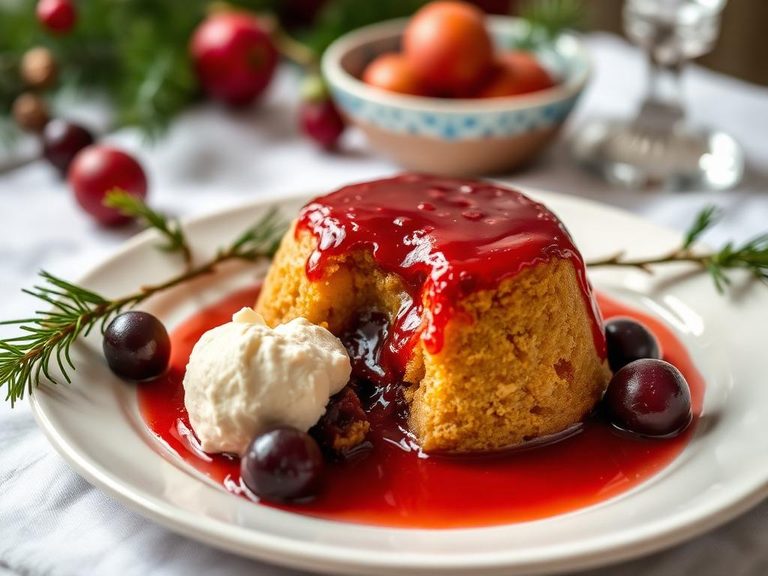
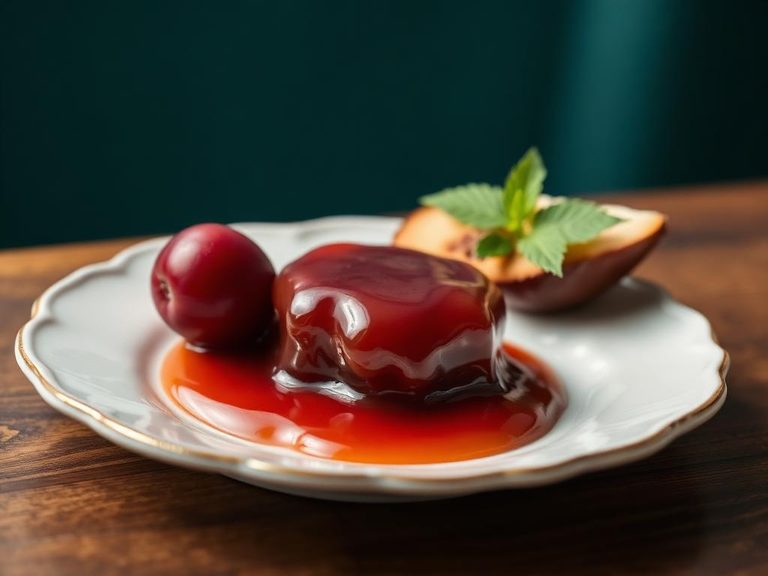
Plum pudding, also known as Christmas pudding, is a traditional British dessert served during the festive season. Despite its name, it contains no plums but is packed with dried fruits like raisins, currants, and sultanas, along with suet, spices, and often a splash of brandy or rum. It's a rich, dense, steamed pudding that's a centerpiece of the British Christmas dinner.
🍳 View the full Plum pudding recipe →
🍽️ Nutrition at a glance
This is a very high-calorie, high-fat, and high-carbohydrate dessert, with a single serving potentially containing over 400-500 calories. Its key nutrients come from the dried fruits, which provide some fiber, iron, and antioxidants, but it's primarily an indulgent treat rather than a nutritional staple.
Nutrition breakdown
| Calories | 380 kcal |
| Protein | 4.5 g |
| Carbs | 52 g |
| Fat | 18 g |
| Fiber | 2.5 g |
| Sugar | 35 g |
| Sodium | 150 mg |
| Potassium | 250 mg |
| Iron | 2.5 mg |
| Magnesium | 25 mg |
| Phosphorus | 60 mg |
| Vitamin A | 120 µg RAE |
| Vitamin C | 2 mg |
| Calcium | 40 mg |
| Copper | 0.3 mg |
Per 1 slice (120 g) · estimated, varies by recipe
💡 What's interesting
Culturally, it's a dish steeped in tradition, often made weeks or even months in advance to allow the flavors to mature, and is ceremoniously doused in brandy and set alight when served. Nutritionally, the historical use of suet (animal fat) and the high sugar content make it a very energy-dense food, reflective of a time when such rich calories were prized during the cold winter months.
🍽️ Related dishes
AI estimate may be inaccurate · Terms