Tallow for Frying

Tallow for frying, often called 'beef tallow' or 'suet fat,' is rendered fat from beef or mutton, traditionally used as a cooking medium. It's a pure, shelf-stable fat with a high smoke point, making it ideal for deep-frying and pan-frying. This practice is deeply rooted in culinary traditions across Europe, North America, and parts of Asia before the widespread adoption of vegetable oils.
🍽️ Nutrition at a glance
Tallow is almost 100% fat, containing zero carbohydrates and protein. It provides a dense source of energy, primarily from saturated and monounsaturated fatty acids, with a rough calorie ballpark of 115-120 kcal per tablespoon (14g).
Nutrition breakdown
| Calories | 115 kcal |
| Protein | 0 g |
| Carbs | 0 g |
| Fat | 13 g |
| Fiber | 0 g |
| Sugar | 0 g |
| Sodium | 0 mg |
| Vitamin E | 0.2 mg |
| Vitamin K | 0.3 mcg |
| Saturated Fat | 5.3 g |
| Monounsaturated Fat | 5.9 g |
| Polyunsaturated Fat | 0.5 g |
| Cholesterol | 13 mg |
Per 1 tablespoon (14g) · estimated, varies by recipe
💡 What's interesting
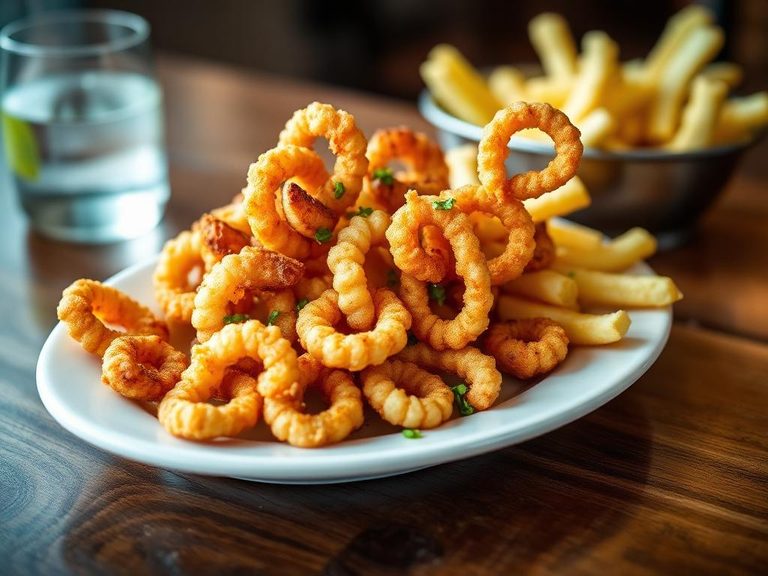
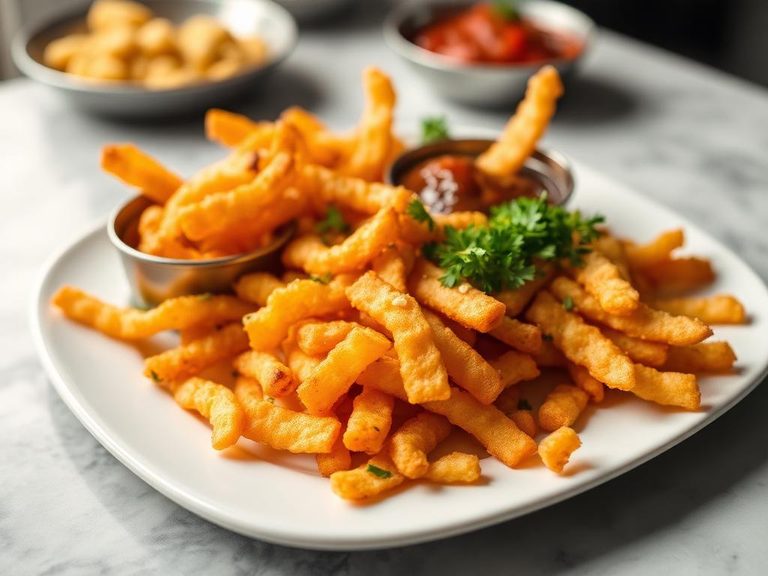
Culturally, tallow was a staple fat for frying in many historical cuisines, famously used for making classic French fries and doughnuts. Nutritionally, it's unique for its stability at high heat, which minimizes the formation of harmful compounds compared to some unsaturated vegetable oils.