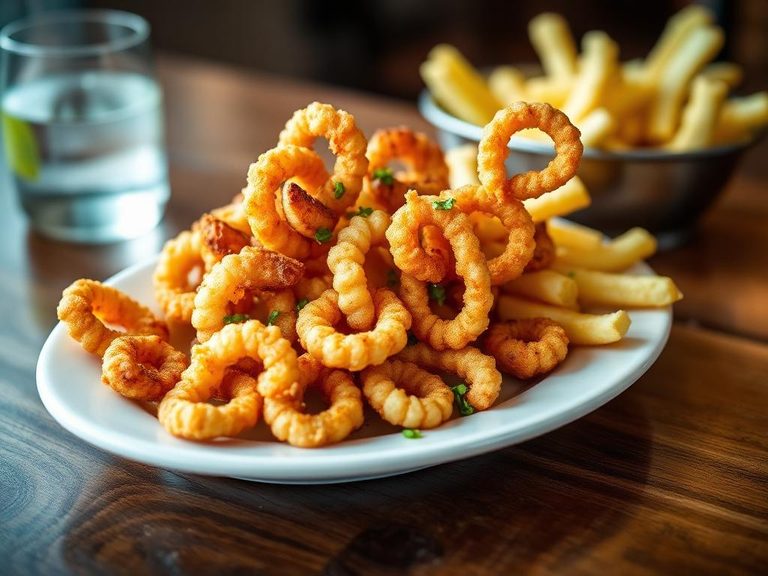
Veal Tallow for Frying
Veal tallow for frying is a rendered cooking fat derived from the fat of calves, prized for its high smoke point and clean, mild flavor. It is a traditional ingredient in various European cuisines, particularly in Central and Eastern Europe, where it is used for frying, sautéing, and even as a spread. Its production involves slowly melting and straining veal fat to produce a solid, shelf-stable fat.
🍽️ Nutrition at a glance
As a pure animal fat, veal tallow is virtually carb-free and protein-free, consisting almost entirely of fat. It is a concentrated source of energy, providing a high calorie count per gram, and contains fat-soluble vitamins like vitamin K2 and monounsaturated fats.
Nutrition breakdown
| Calories | 115 kcal |
| Protein | 0 g |
| Carbs | 0 g |
| Fat | 13 g |
| Fiber | 0 g |
| Sugar | 0 g |
| Sodium | 0 mg |
| Vitamin K2 | 1.5 µg |
| Vitamin E | 0.3 mg |
| Monounsaturated Fat | 6 g |
| Saturated Fat | 5 g |
| Polyunsaturated Fat | 1 g |
| Cholesterol | 12 mg |
Per 1 tablespoon (14 g) · estimated, varies by recipe
💡 What's interesting
Culinarily, veal tallow is unique for its exceptionally high smoke point (around 400°F/204°C), making it ideal for high-heat frying without burning or imparting off-flavors. Nutritionally, it is a source of stearic acid, a saturated fat that is less likely to raise LDL ('bad') cholesterol compared to other saturated fats.