Rendered Veal Tallow
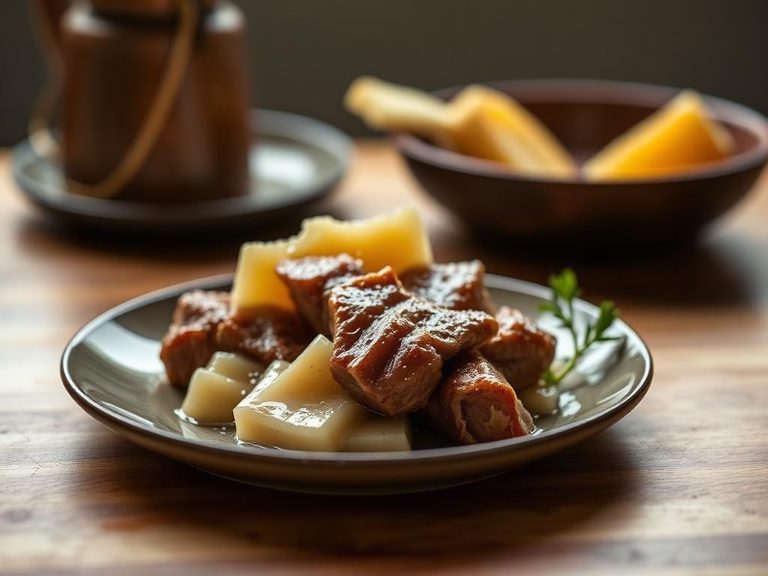
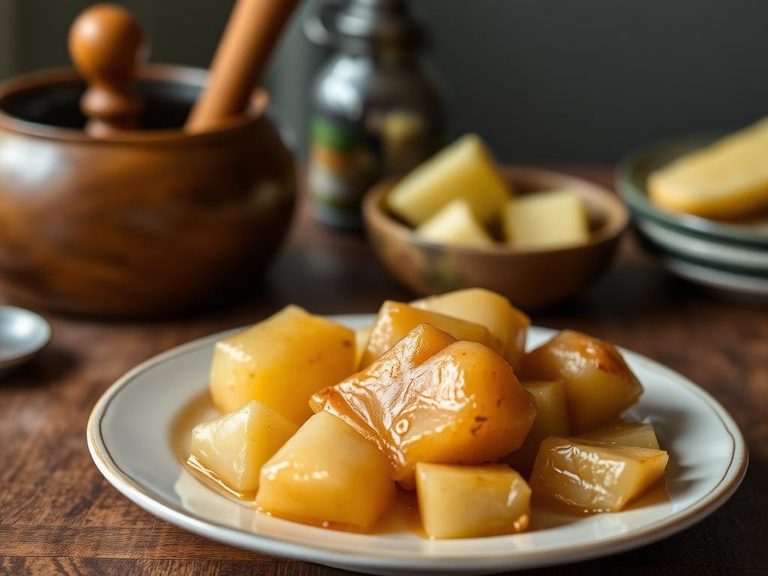
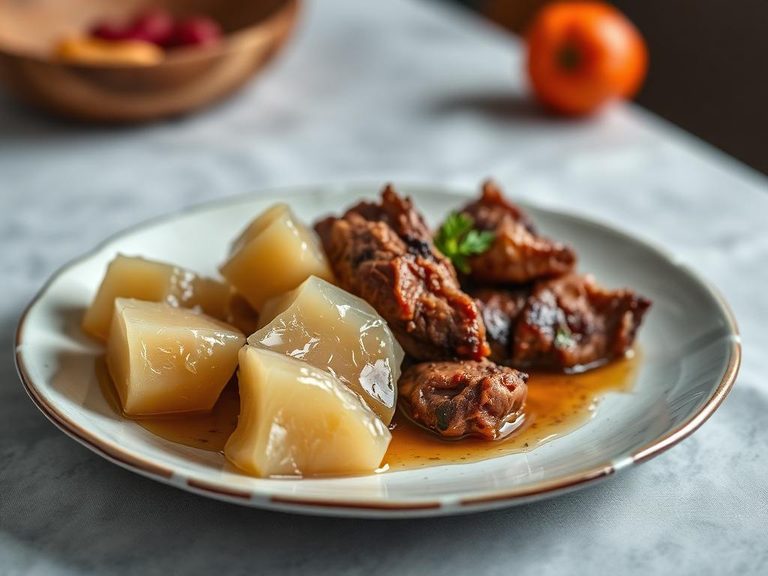
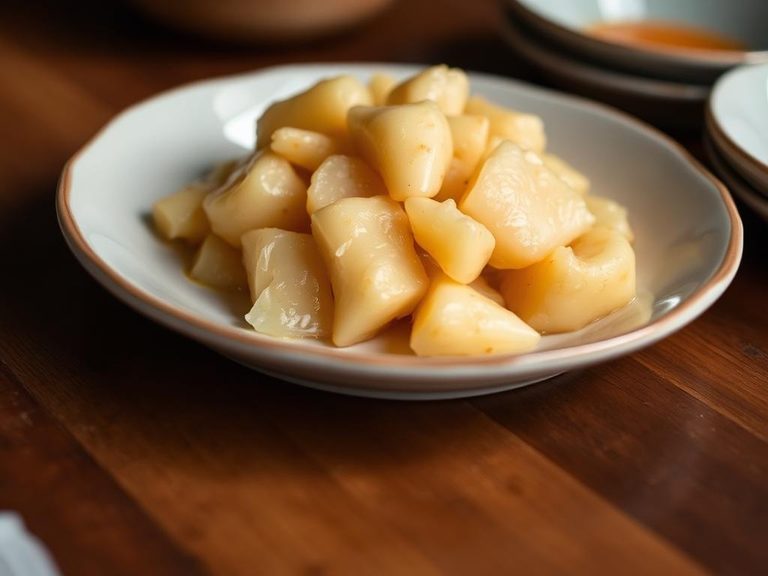
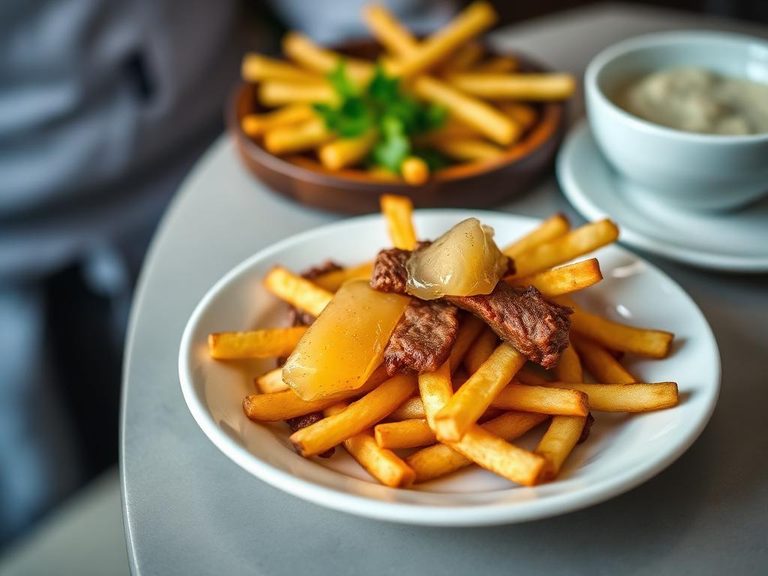
Rendered veal tallow is a pure, clarified cooking fat produced by slowly melting down the fatty tissue of veal (young cattle). It is a staple ingredient in traditional European and American cuisines, particularly for high-heat cooking, frying, and pastry-making. The process removes impurities and water, resulting in a stable, flavorful fat with a high smoke point.
🍽️ Nutrition at a glance
Rendered veal tallow is almost entirely fat, containing negligible carbohydrates and protein. It is a concentrated source of calories and provides fat-soluble vitamins like Vitamin D and K2, as well as conjugated linoleic acid (CLA). A typical serving contains roughly 115-120 calories.
Nutrition breakdown
| Calories | 115 kcal |
| Protein | 0 g |
| Carbs | 0 g |
| Fat | 13 g |
| Fiber | 0 g |
| Sugar | 0 g |
| Sodium | 0 mg |
| Vitamin K2 | 3-5 µg |
| Vitamin D | 1-2 µg |
| Vitamin E | 0.1 mg |
| Selenium | 0.2 µg |
| Choline | 3 mg |
| Stearic Acid | ~5 g |
| Palmitic Acid | ~3 g |
| Oleic Acid | ~4 g |
Per 1 tablespoon (14 g) · estimated, varies by recipe
💡 What's interesting
Culturally, tallow was a foundational cooking fat for centuries before the widespread use of vegetable oils, valued for its stability and rich flavor. Nutritionally, it is unique for its high content of stearic acid, a saturated fat considered more metabolically neutral than other saturated fats.