Turkey Fat Rendered for Cooking
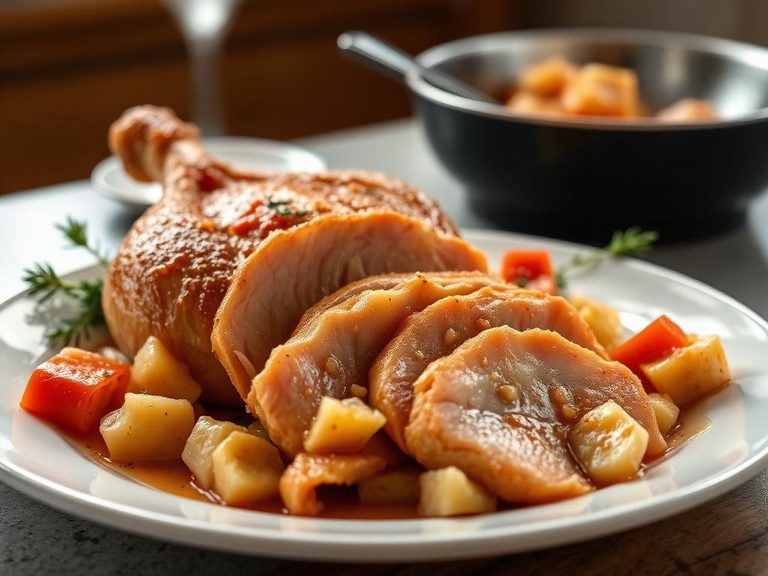
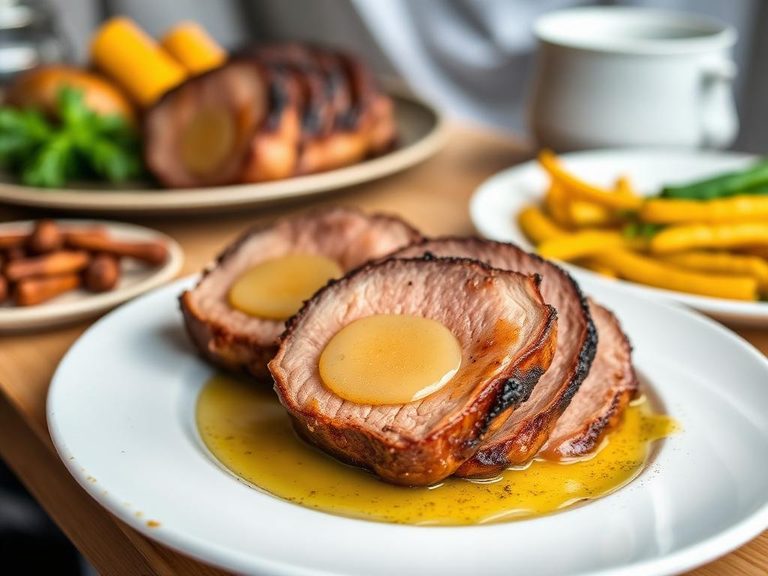
Turkey fat rendered for cooking is the process of melting down the fat from turkey skin and trimmings to create a flavorful, shelf-stable cooking fat. It is a traditional byproduct of poultry preparation, commonly used in cuisines where turkey is a staple, particularly in North America and parts of Europe. The primary ingredient is simply turkey fat, often with a small amount of water or broth to aid the rendering process.
🍽️ Nutrition at a glance
This is a virtually pure fat product, containing no carbohydrates, protein, or fiber. It is extremely high in calories from fat and provides a source of energy and fat-soluble vitamins like vitamin E, but lacks significant amounts of other vitamins and minerals.
Nutrition breakdown
| Calories | 115 kcal |
| Protein | 0 g |
| Carbs | 0 g |
| Fat | 13 g |
| Fiber | 0 g |
| Sugar | 0 g |
| Sodium | 0 mg |
| Vitamin E | 1.2 mg |
| Vitamin K | 2.5 mcg |
| Saturated Fat | 4.5 g |
| Monounsaturated Fat | 5.8 g |
| Polyunsaturated Fat | 1.8 g |
| Cholesterol | 13 mg |
Per 1 tablespoon (14 g) · estimated, varies by recipe
💡 What's interesting
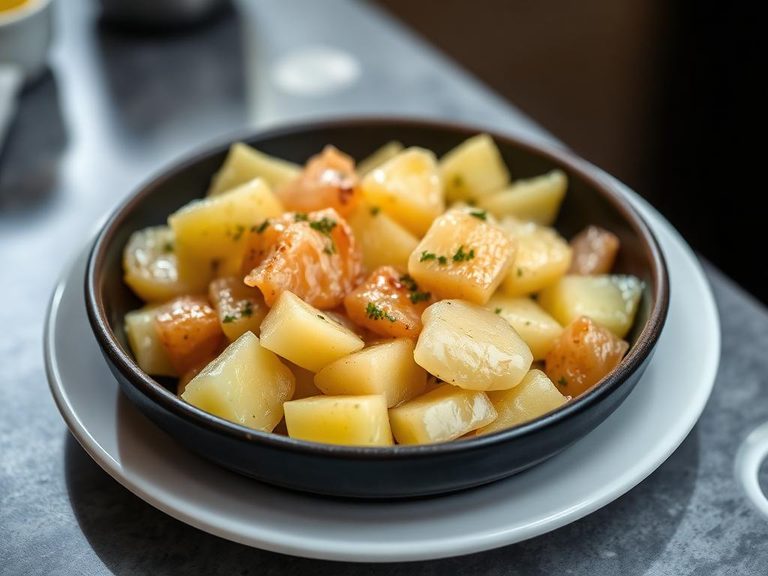
Culturally, rendered turkey fat is a traditional, zero-waste cooking ingredient that imparts a rich, savory depth to dishes like roasted potatoes, sautéed greens, or pie crusts. Nutritionally, it is a saturated and monounsaturated fat source, similar to duck fat, and was historically valued for its long shelf life before refrigeration.