Rendered for cooking fat
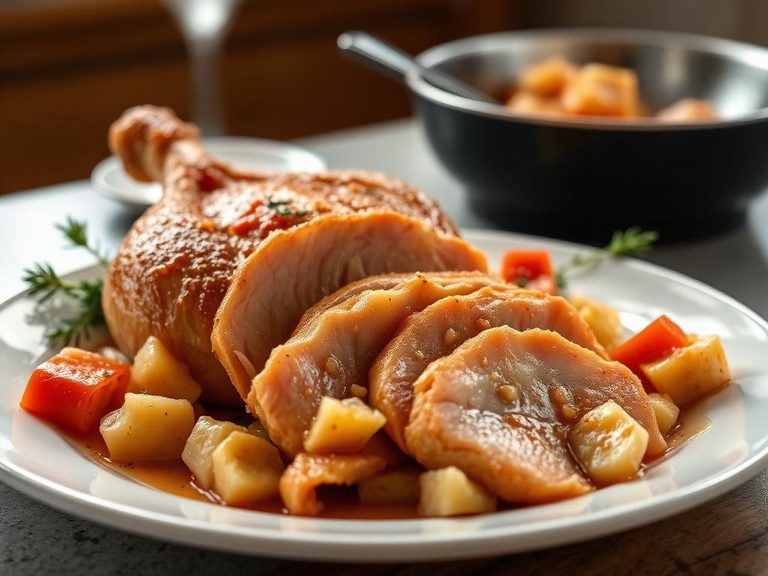
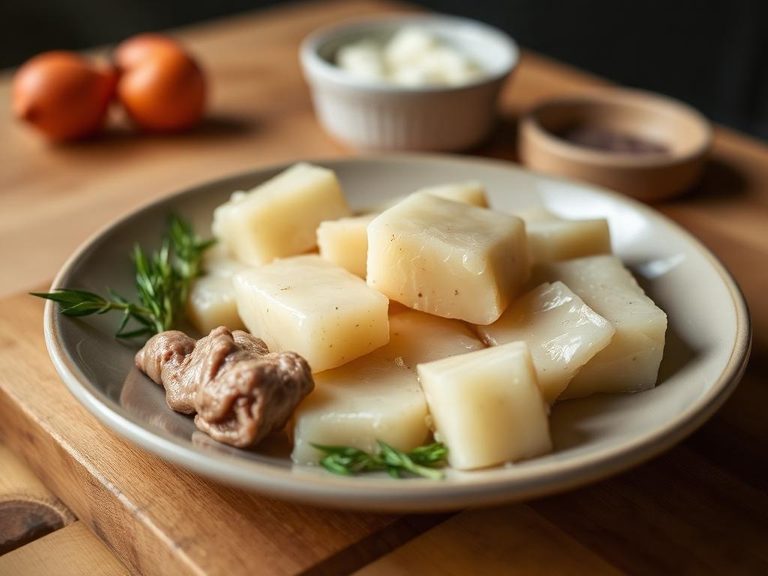
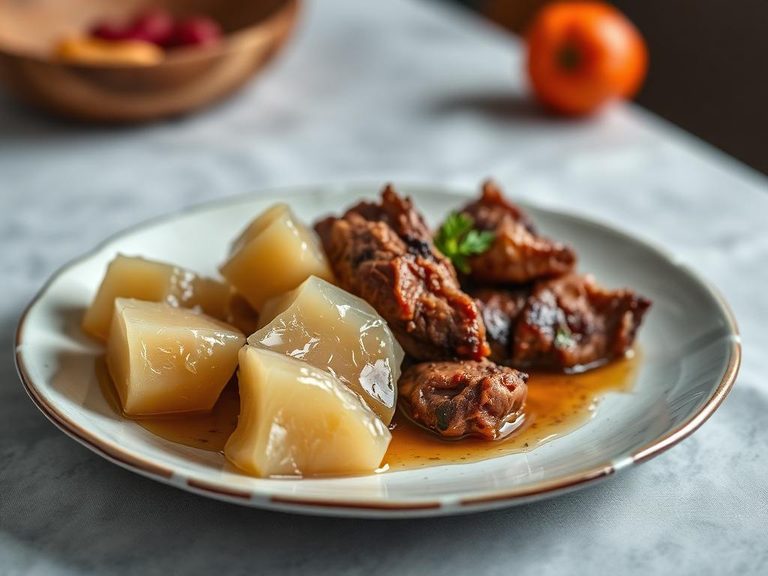
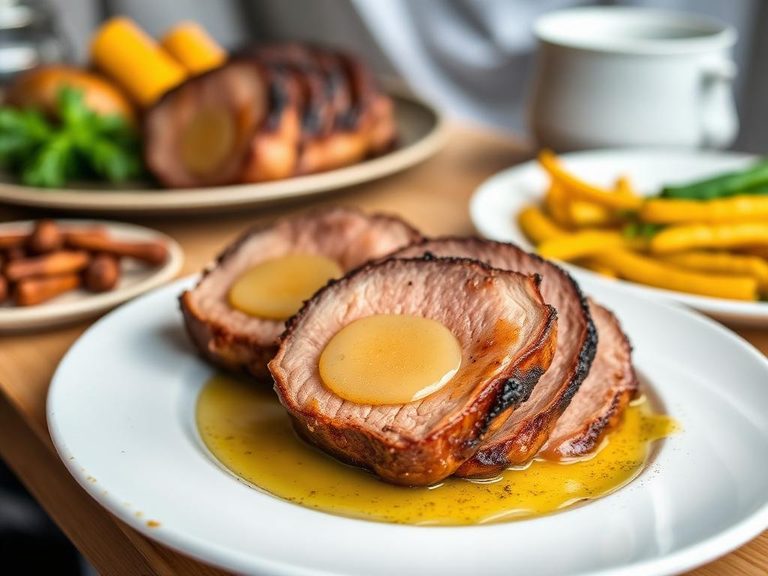
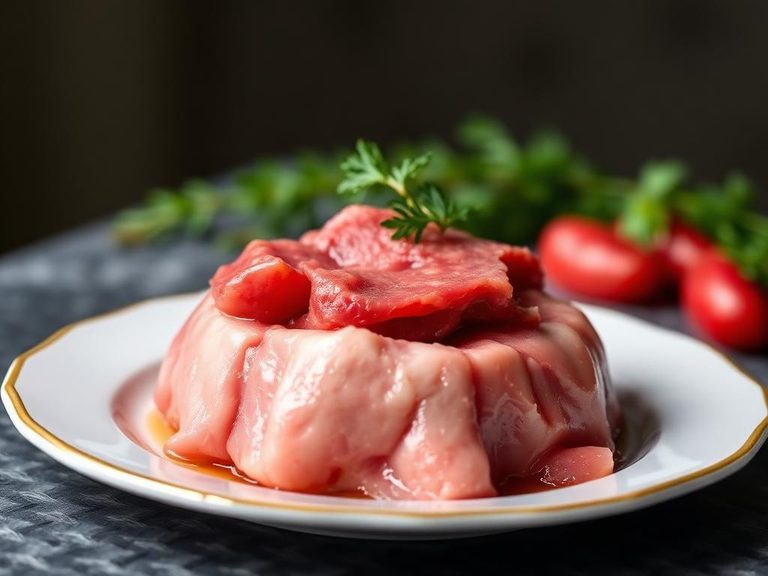
Rendered cooking fat is the pure, clarified fat obtained by slowly heating animal tissues (like beef suet, pork fat, or poultry skin) to melt and separate the fat from connective tissue and water. Common types include tallow (beef), lard (pork), and schmaltz (chicken or goose). It's a foundational cooking medium in cuisines worldwide, from traditional frying in the West to stir-frying in East Asia.
🍽️ Nutrition at a glance
Rendered fat is virtually 100% fat, containing no carbohydrates or protein, and is very calorie-dense. It provides a concentrated source of energy and, depending on the source, can be a significant source of fat-soluble vitamins like vitamin D (especially from lard) and vitamin K2.
Nutrition breakdown
| Calories | 120 kcal |
| Protein | 0 g |
| Carbs | 0 g |
| Fat | 14 g |
| Fiber | 0 g |
| Sugar | 0 g |
| Sodium | 0 mg |
| Vitamin D | 2 µg |
| Vitamin K2 | 3 µg |
| Vitamin E | 0.2 mg |
| Choline | 10 mg |
| Saturated Fat | 5.5 g |
| Monounsaturated Fat | 6.5 g |
| Polyunsaturated Fat | 1.5 g |
| Cholesterol | 12 mg |
Per 1 tablespoon (14 g) · estimated, varies by recipe
💡 What's interesting
Historically, rendered fats were essential for food preservation and caloric survival in cold climates. Nutritionally, the fatty acid profile varies significantly by animal diet and type—for example, grass-fed beef tallow is higher in beneficial omega-3s and conjugated linoleic acid (CLA) than grain-fed.