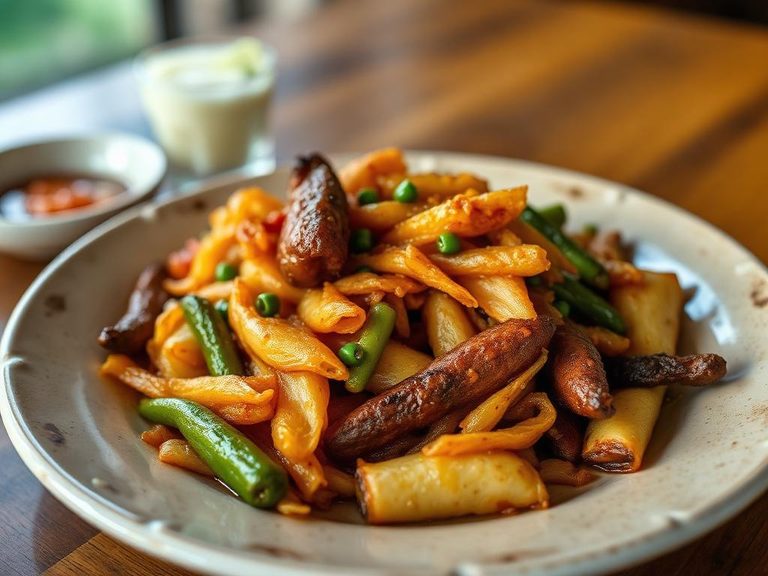
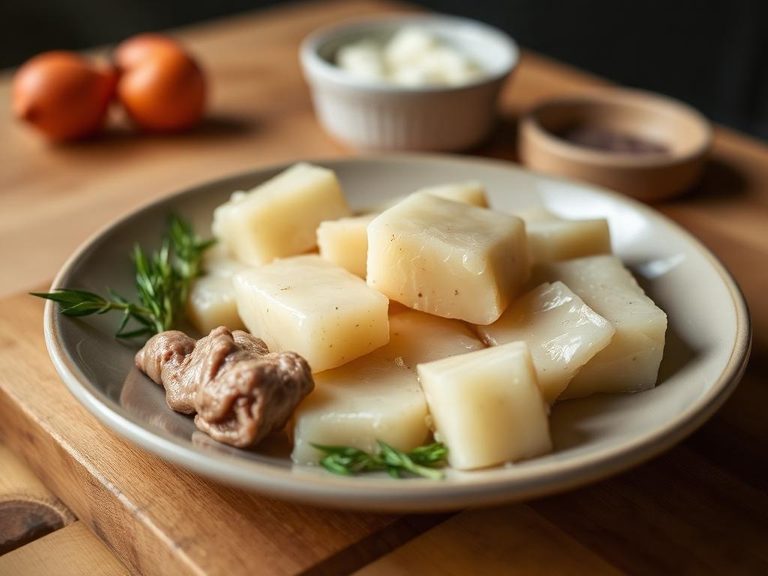
Used as a cooking fat for frying
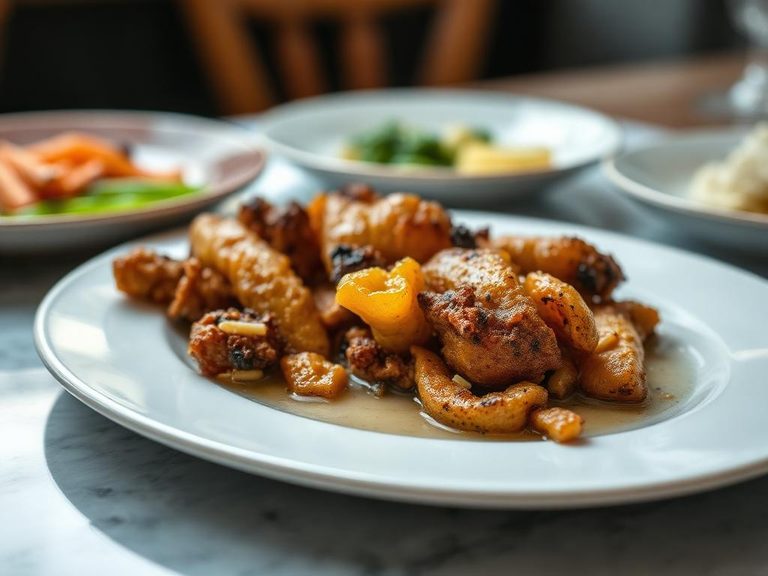
Lard is a semi-solid white cooking fat rendered from the fatty tissue of pigs. It has been a staple in many cuisines worldwide for centuries, used for frying, baking, and sautéing. Its primary source is pork, and it is often produced by slowly melting down pork fat.
🍽️ Nutrition at a glance
Lard is almost 100% fat, containing no carbohydrates or protein. It is high in monounsaturated fats (similar to olive oil) and provides a small amount of vitamin D, with a calorie count of approximately 115-120 kcal per tablespoon (14 grams).
Nutrition breakdown
| Calories | 116 kcal |
| Protein | 0 g |
| Carbs | 0 g |
| Fat | 13 g |
| Fiber | 0 g |
| Sugar | 0 g |
| Sodium | 0 mg |
| Vitamin D | 1 µg |
| Vitamin E | 0.5 mg |
| Choline | 3 mg |
| Selenium | 0.1 µg |
| Iron | 0.1 mg |
Per 1 tablespoon (14 g) · estimated, varies by recipe
💡 What's interesting
Culturally, lard was a cornerstone of cooking in many European, Asian, and Latin American cuisines before the rise of vegetable oils. Nutritionally, it is surprisingly high in oleic acid (the same heart-healthy fat in olive oil) and has a higher smoke point than butter, making it excellent for high-heat frying.