Traditional Amazonian cooking and frying
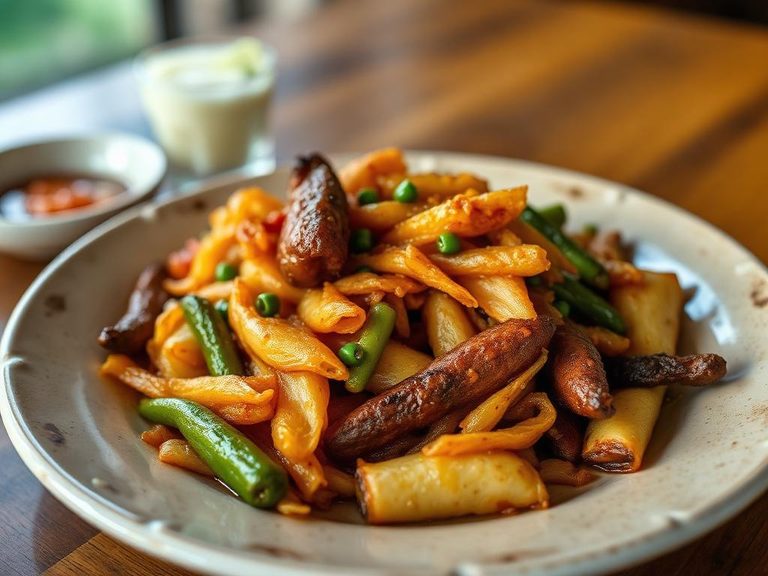
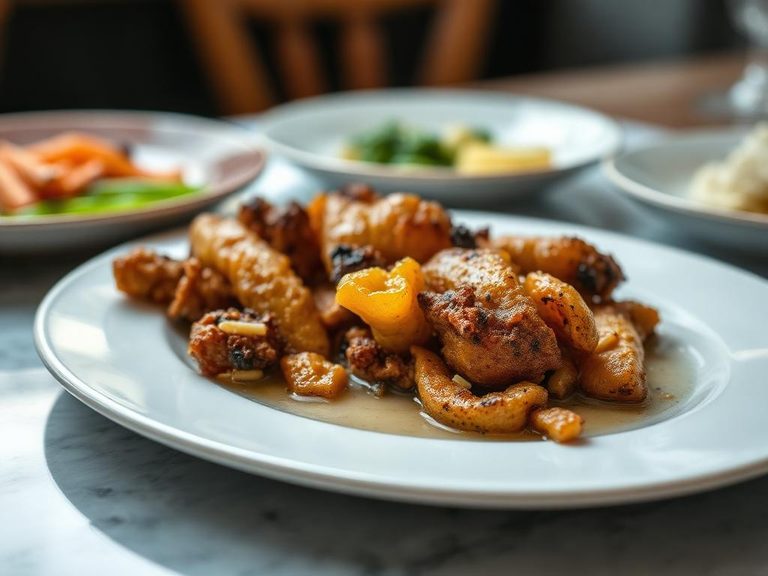
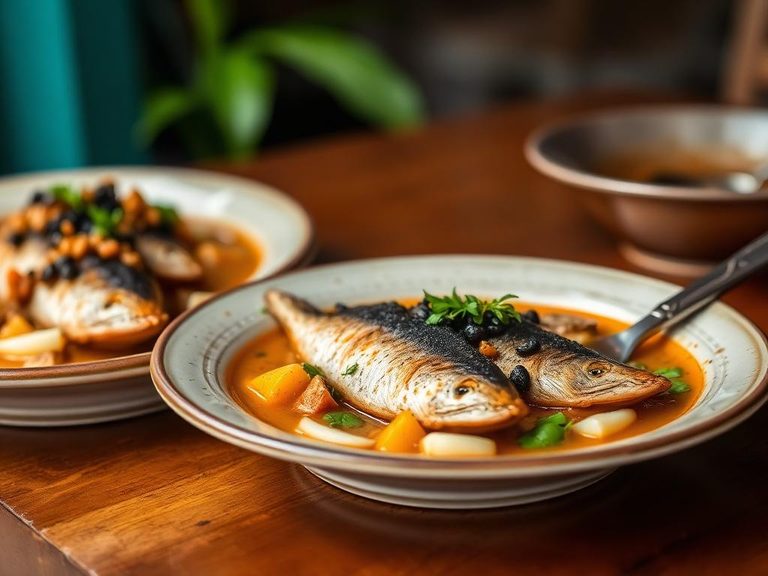
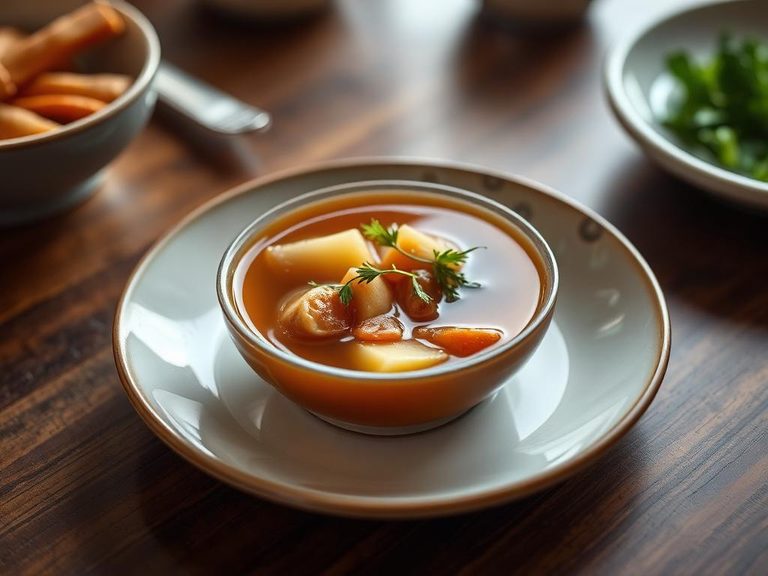
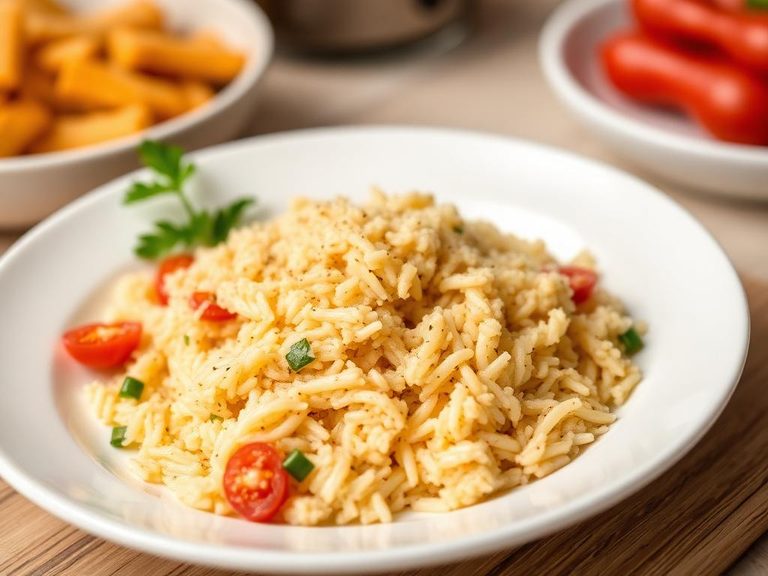
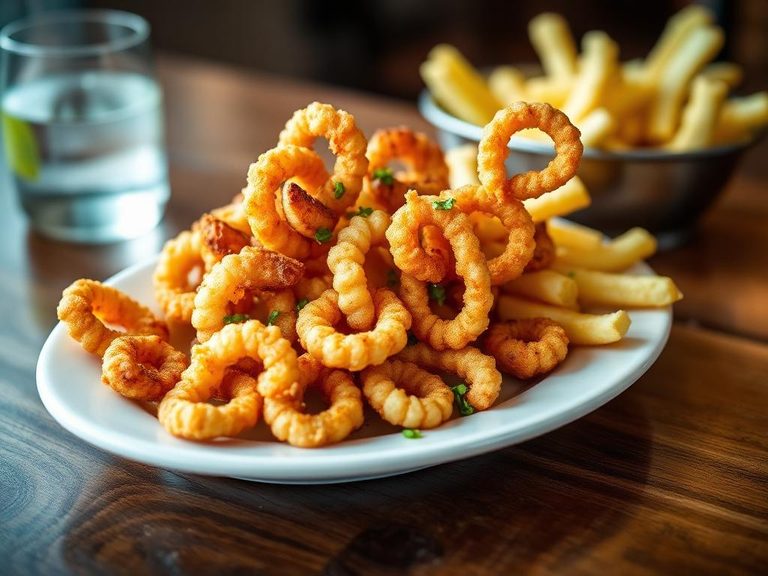
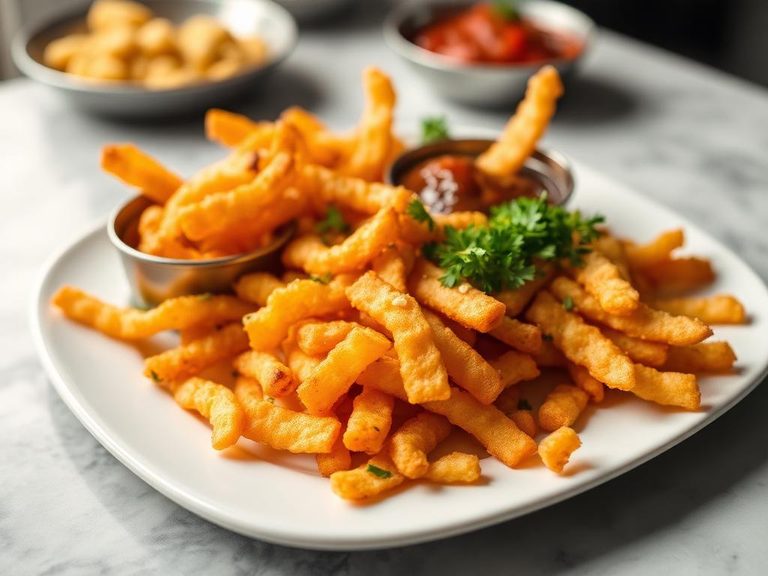
Traditional Amazonian cooking and frying is a culinary method from the Amazon rainforest region, primarily in Brazil, Peru, and Colombia, where local ingredients like river fish, plantains, yuca, and tropical fruits are prepared in open-fire stews or fried in natural oils. The technique often involves slow-cooking in clay pots or deep-frying in palm oil, emphasizing fresh, foraged ingredients and communal eating.
🍽️ Nutrition at a glance
This dish is typically high in healthy fats from palm oil and provides a good balance of carbohydrates from starchy roots and plantains, along with protein from fish or game. Key nutrients include vitamin A, potassium, and omega-3 fatty acids, with a rough calorie ballpark of 400-600 calories per serving depending on ingredients and preparation.
Nutrition breakdown
| Calories | 520 kcal |
| Protein | 25 g |
| Carbs | 45 g |
| Fat | 28 g |
| Fiber | 6 g |
| Sugar | 8 g |
| Sodium | 350 mg |
| Potassium | 450 mg |
| Vitamin A | 200 mcg |
| Vitamin C | 15 mg |
| Iron | 3 mg |
| Magnesium | 60 mg |
| Omega-3 Fatty Acids | 1.2 g |
| Calcium | 50 mg |
| Zinc | 2 mg |
Per 1 plate (300 g) · estimated, varies by recipe
💡 What's interesting
Culturally, this cooking style reflects the Amazon's biodiversity and indigenous knowledge, using sustainable, wild-harvested ingredients that are often nutrient-dense and adapted to the rainforest ecosystem. Nutritionally, the use of palm oil provides a rich source of antioxidants and healthy fats, which are essential for energy in a humid, active environment.