Amazonian fish stews
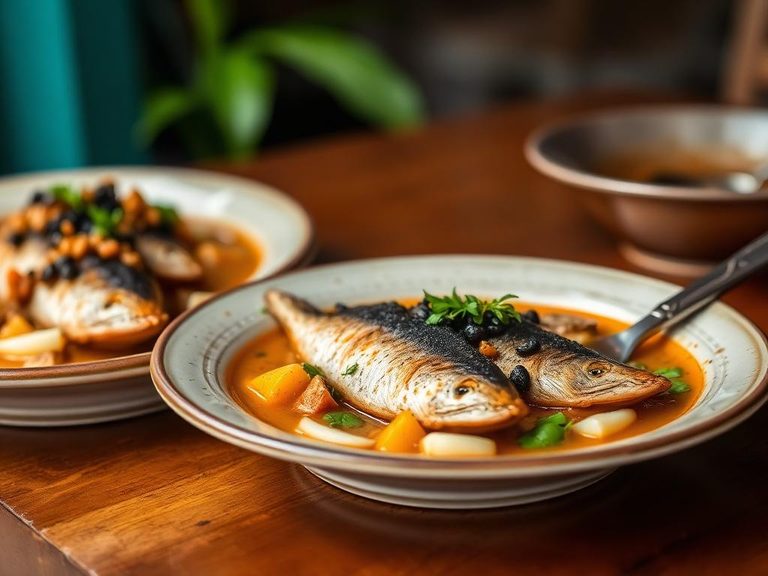
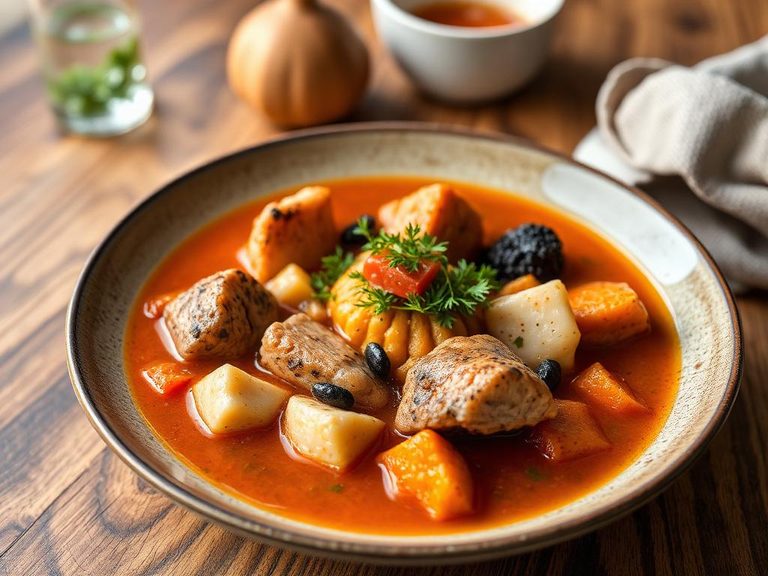
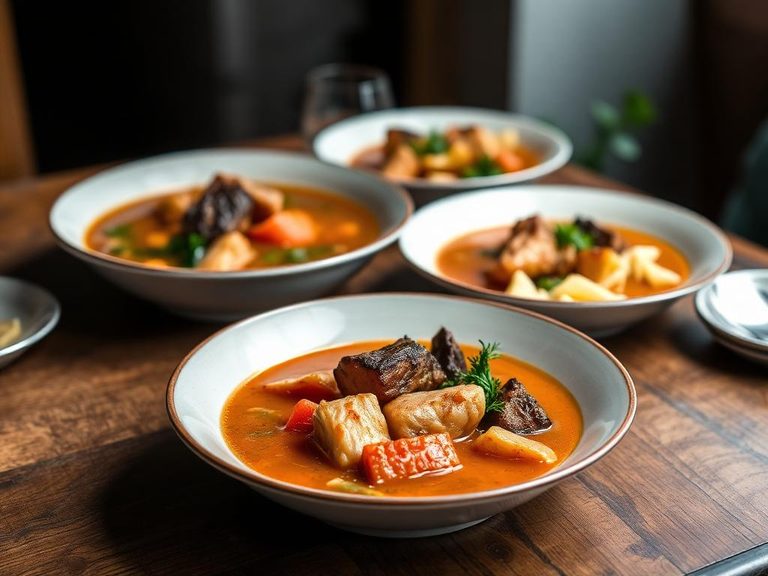
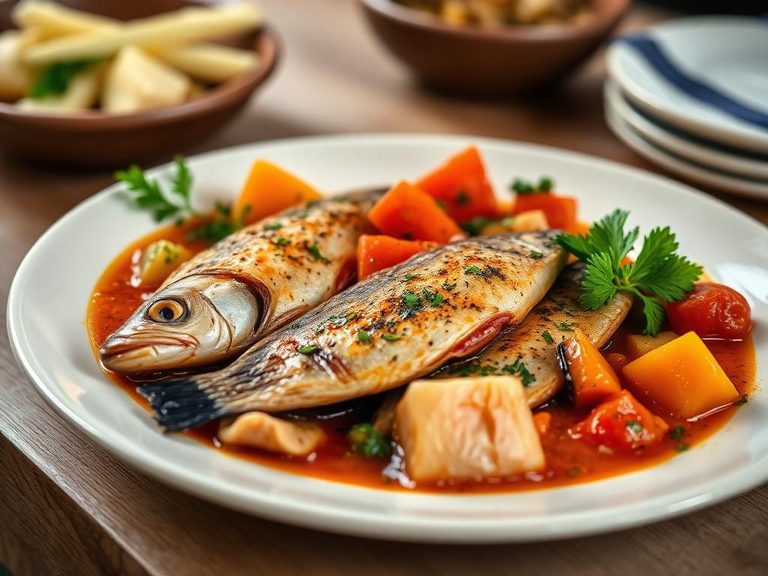
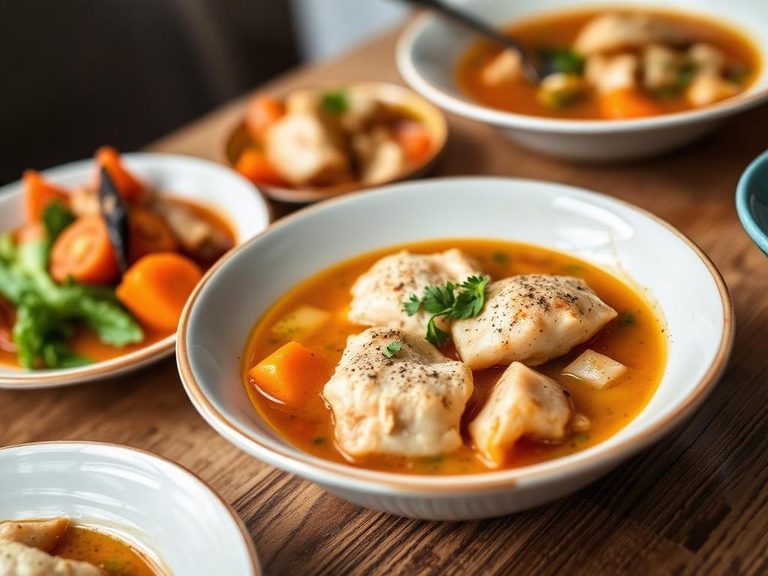
Amazonian fish stews are hearty, aromatic one-pot meals from the Amazon basin, typically made with fresh river fish like tambaqui or pirarucu, simmered in a broth with indigenous herbs, peppers, tomatoes, and sometimes coconut milk. They are a staple in riverside communities across Brazil, Peru, and Colombia, reflecting the rich biodiversity of the region.
🍽️ Nutrition at a glance
This dish is generally high in protein and healthy fats from the fish, with moderate carbs from vegetables and any added starches like manioc. A serving provides substantial omega-3 fatty acids, lean protein, and key minerals like potassium and selenium, with a calorie range of approximately 300-400 kcal per typical serving.
Nutrition breakdown
| Calories | 350 kcal |
| Protein | 32 g |
| Carbs | 12 g |
| Fat | 18 g |
| Fiber | 3 g |
| Sugar | 4 g |
| Sodium | 480 mg |
| Potassium | 620 mg |
| Selenium | 28 mcg |
| Vitamin B12 | 4.5 mcg |
| Phosphorus | 350 mg |
| Omega-3 (EPA+DHA) | 1.2 g |
| Niacin (B3) | 8 mg |
| Magnesium | 55 mg |
| Zinc | 2.5 mg |
Per 1 bowl (350 g) · estimated, varies by recipe
💡 What's interesting
Culturally, these stews are a cornerstone of Amazonian cuisine, often using traditional cooking methods and locally foraged ingredients like tucupi (a fermented manioc broth) or Brazil nuts. Nutritionally, the use of river fish makes it an excellent source of anti-inflammatory omega-3s, which are less common in many inland diets.