Used as a liquid base for cooking baby's first grains
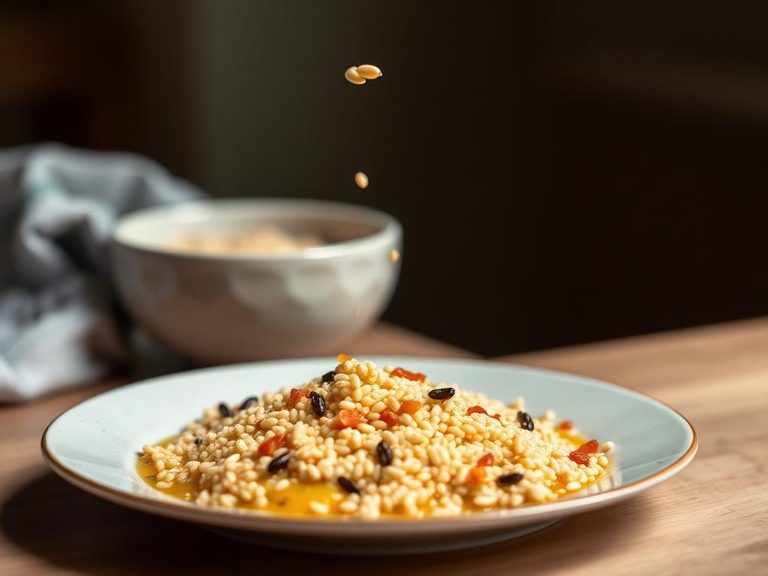
This is a simple, clear broth made by simmering bones, meat, and vegetables in water, often used as the foundational liquid for cooking a baby's first grains like rice or oatmeal. It's a universal staple found in cuisines worldwide, from Chinese 'gǔtāng' to Western-style bone broth.
🍽️ Nutrition at a glance
It is generally low in calories and macronutrients, providing primarily water, electrolytes, and small amounts of minerals like potassium and magnesium leached from the ingredients. A typical cup contains roughly 15-30 calories, making it a hydrating, nutrient-sipping base rather than a significant energy source.
Nutrition breakdown
| Calories | 20 kcal |
| Protein | 3 g |
| Carbs | 1 g |
| Fat | 0.5 g |
| Fiber | 0 g |
| Sugar | 0.5 g |
| Sodium | 350 mg |
| Potassium | 150 mg |
| Magnesium | 10 mg |
| Phosphorus | 40 mg |
| Calcium | 10 mg |
| Iron | 0.5 mg |
| Zinc | 0.4 mg |
| Selenium | 2 mcg |
| Niacin (B3) | 1.5 mg |
Per 1 cup (240 g) · estimated, varies by recipe
💡 What's interesting
Nutritionally, it's valued for being gentle on a developing digestive system while providing hydration and trace minerals. Culturally, the practice of using a homemade, slow-simmered broth as a first food reflects a deep-seated belief in the healing and nourishing properties of simple, whole-food preparations for infants.
🍽️ Related dishes
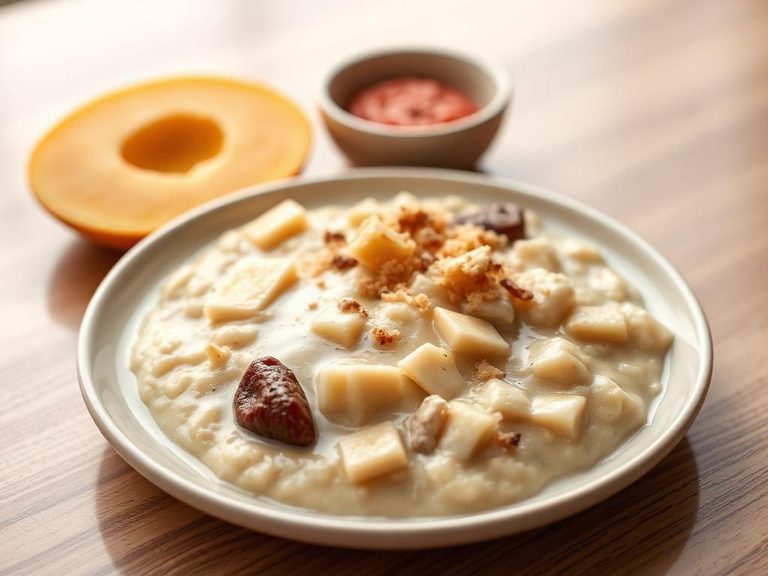 Used as a liquid base for infant oatmeal or cereal
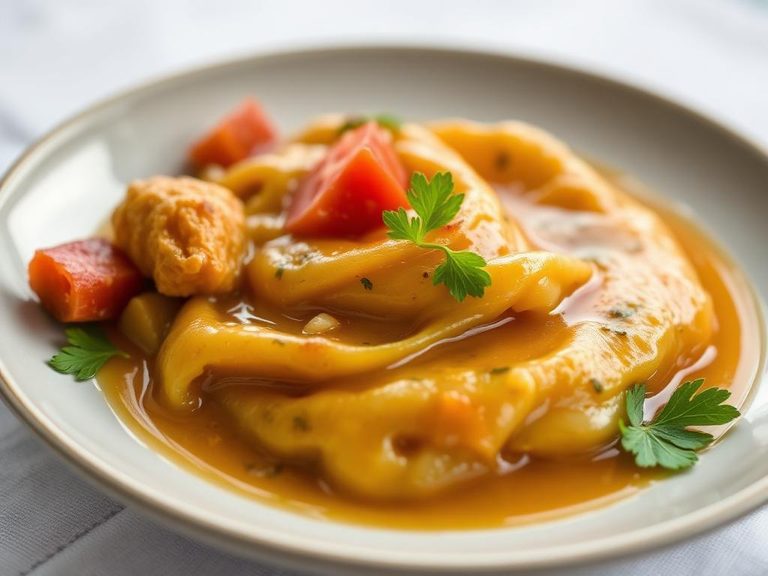 Used as a liquid base in certain infant purees
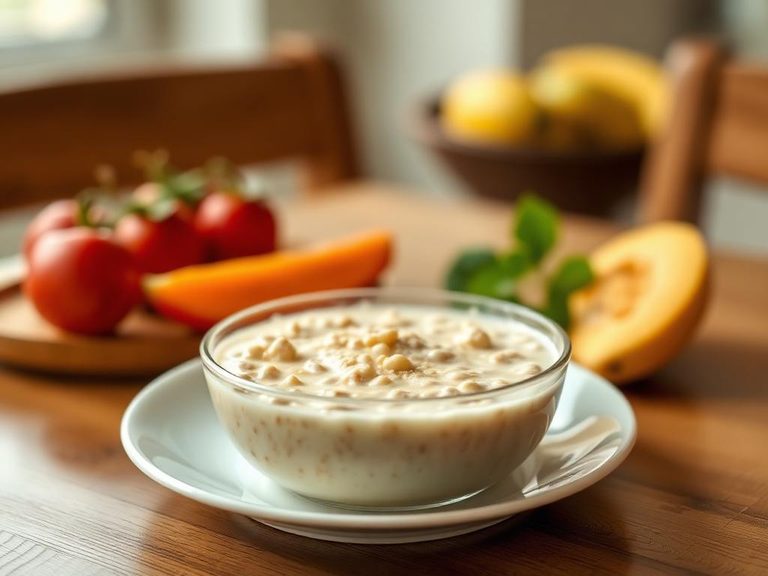 Used as a liquid base for infant cereal
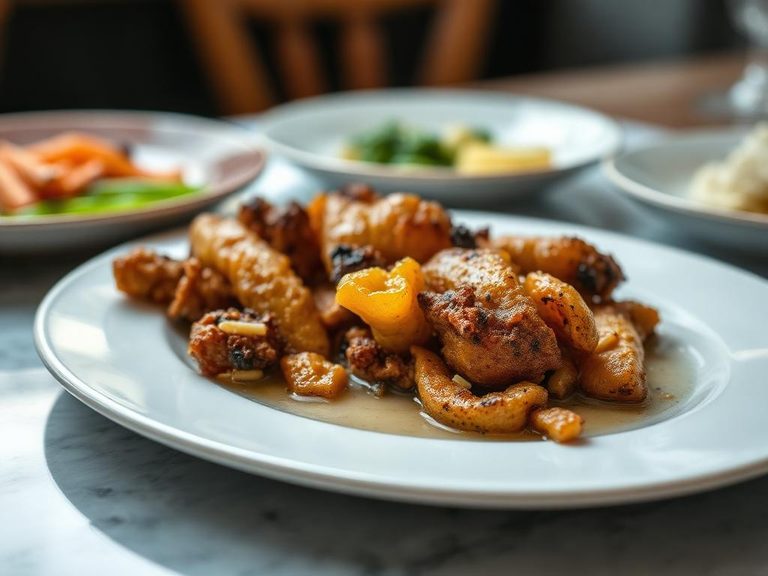 Used as a cooking fat for frying
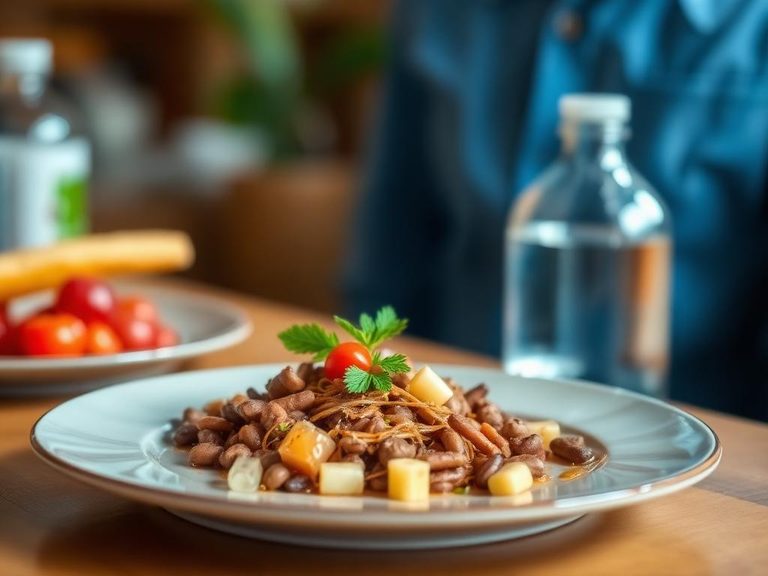 Used as a Liquid for Medication Administration
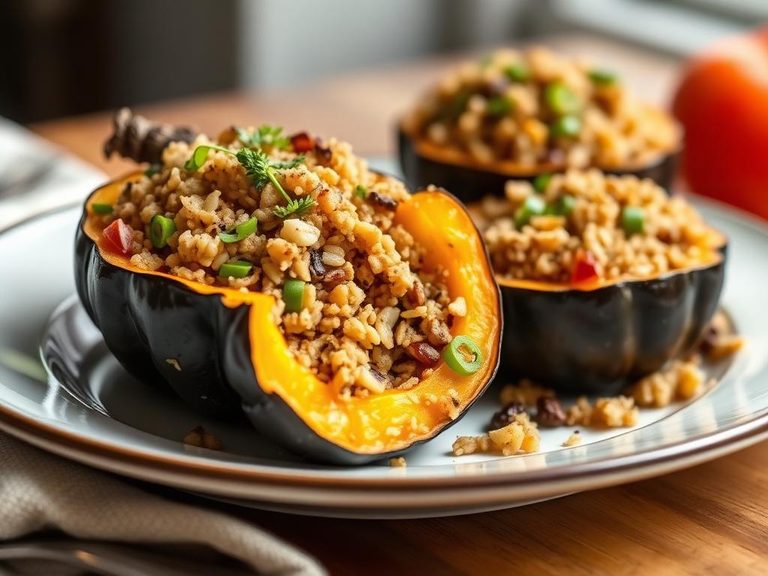 Stuffed acorn squash with grains and vegetables
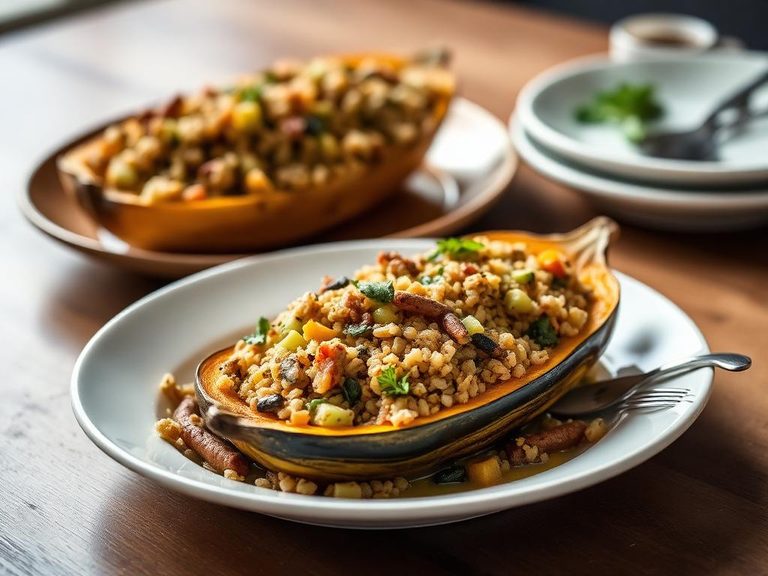 Stuffed squash with grains and vegetables
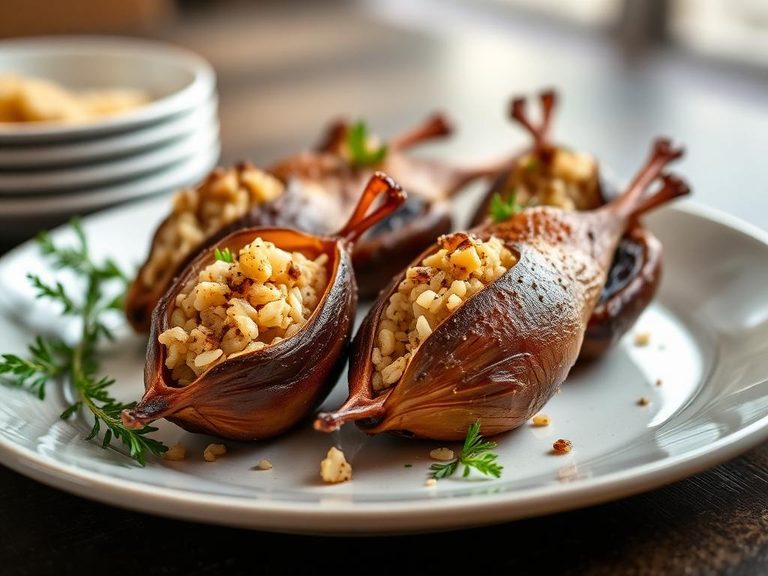 Quail Stuffed with Rice or Grains