Used as a liquid base for infant cereal
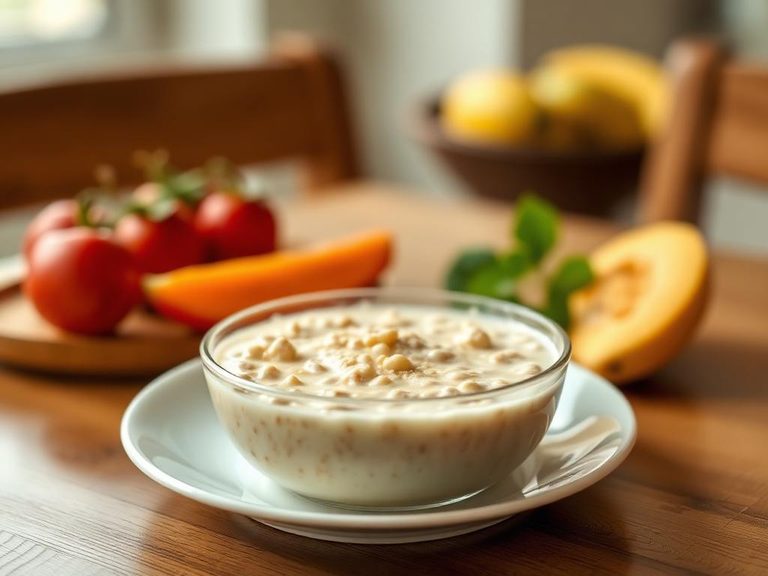
This dish is a smooth, thin liquid base, typically breast milk, formula, or a fortified plant-based milk, used to soften and mix with infant cereal for babies transitioning to solid foods. It's a foundational component in infant feeding practices globally, designed to be easily digestible and nutrient-rich for early development. The specific type of milk used varies based on cultural, dietary, and nutritional preferences.
🍽️ Nutrition at a glance
The liquid base is generally high in carbohydrates for energy and provides essential fats for brain development, with a moderate amount of protein depending on the source. Key nutrients include calcium, vitamin D, iron (if fortified), and various B vitamins, with a calorie range of approximately 100-150 kcal per typical 240g serving.
Nutrition breakdown
| Calories | 120 kcal |
| Protein | 3.5 g |
| Carbs | 12 g |
| Fat | 6 g |
| Fiber | 0 g |
| Sugar | 12 g |
| Sodium | 50 mg |
| Calcium | 120 mg |
| Vitamin D | 2.5 mcg |
| Iron | 1.8 mg |
| Vitamin B12 | 0.4 mcg |
| Potassium | 150 mg |
| Phosphorus | 90 mg |
| Vitamin A | 60 mcg |
| Zinc | 0.8 mg |
Per 1 cup (240 g) · estimated, varies by recipe
💡 What's interesting
What's unique is its dual role as both a familiar, comforting liquid and a nutritional bridge to solid foods, often tailored to meet the specific developmental needs of infants. Culturally, the choice between breast milk, formula, or alternatives like soy or oat milk reflects diverse parenting philosophies and dietary traditions around the world.
🍽️ Related dishes
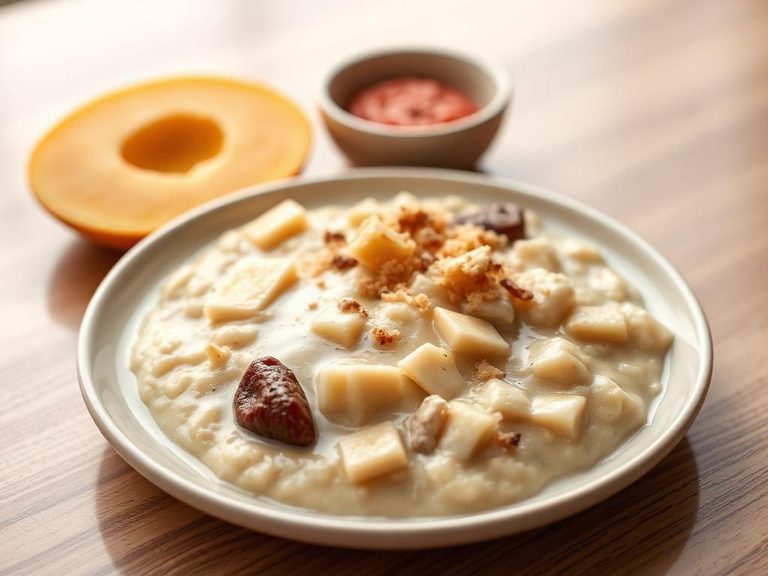 Used as a liquid base for infant oatmeal or cereal
 Used as a liquid base in certain infant purees
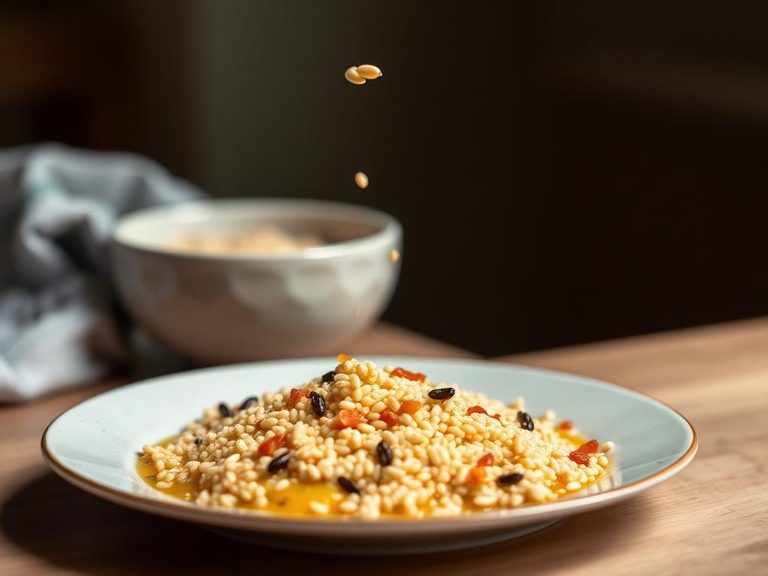 Used as a liquid base for cooking baby's first grains
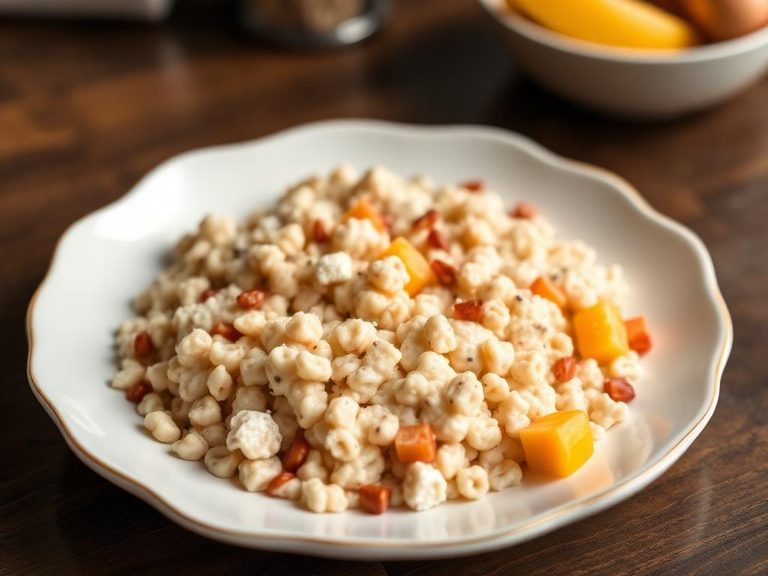 Used as a base for premature infant cereal blends.
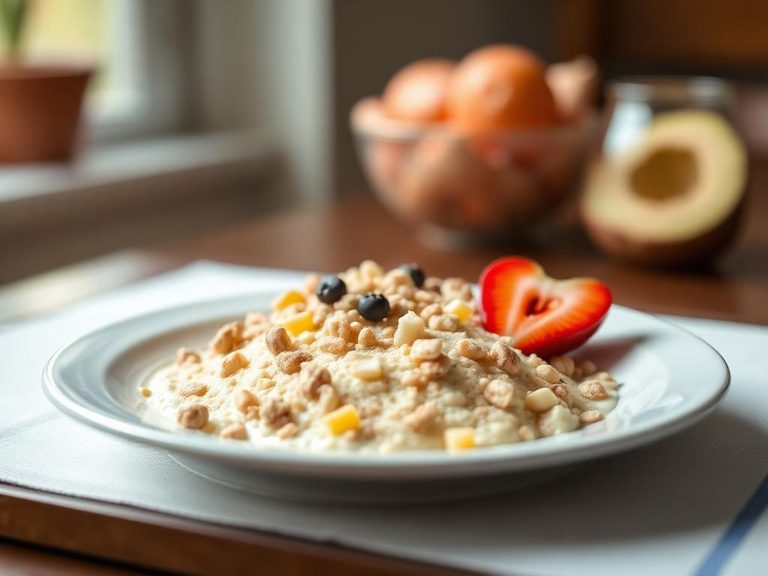 Used as a base for premature infant cereal
 Used as a Liquid for Medication Administration
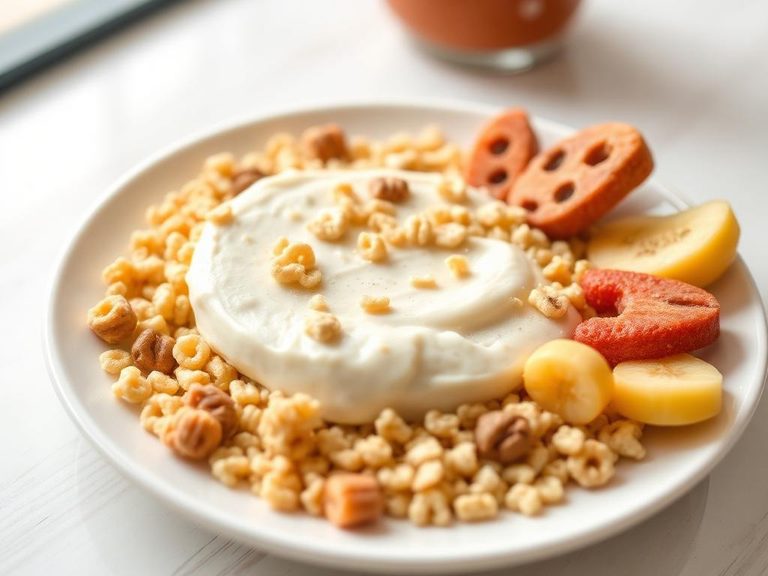 Used in specialty infant cereal
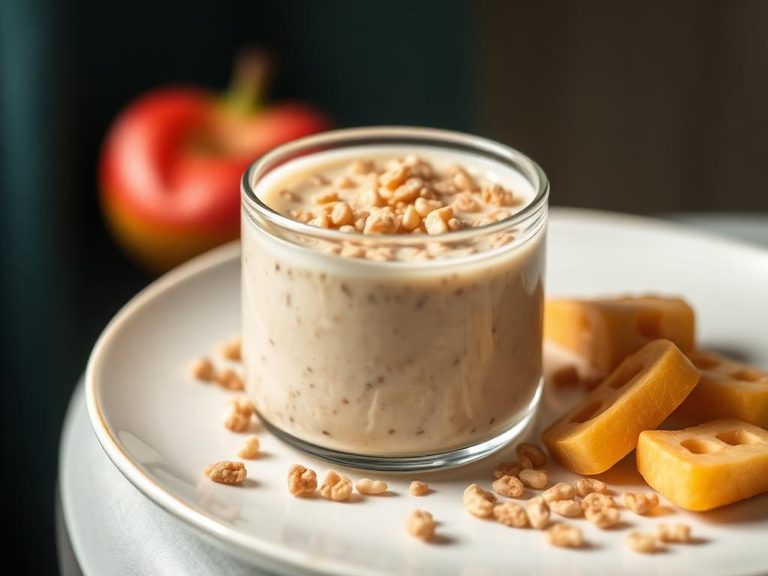 Homemade infant cereal fortifier