Used as a liquid base in certain infant purees
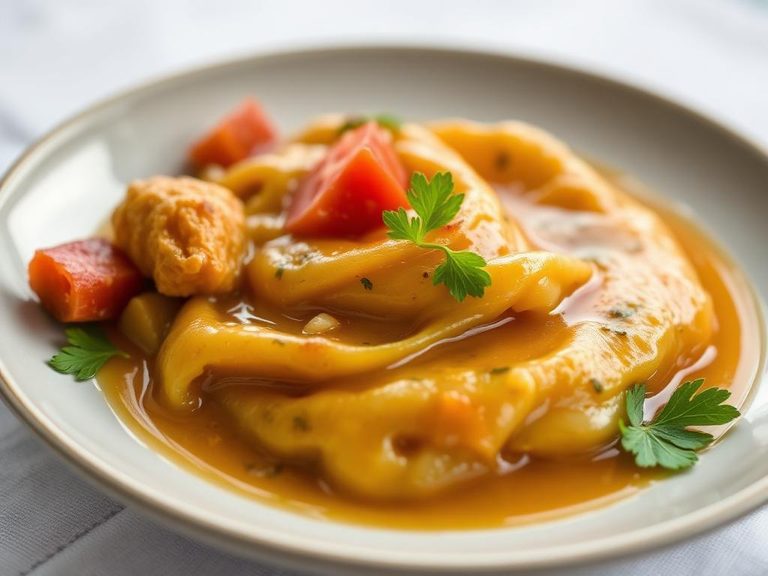
This dish is a simple, clear broth made by simmering bones, meat, and vegetables in water. It is commonly used as a nutrient-rich liquid base to thin and enhance the flavor of infant purees, especially when introducing solids. While its origins are universal, the specific recipe can vary widely across cultures.
🍽️ Nutrition at a glance
Bone broth is generally low in calories, carbohydrates, and fat, but provides a modest amount of protein and is rich in minerals like sodium and potassium. A typical serving offers around 20-40 calories, making it a light yet flavorful addition to meals.
Nutrition breakdown
| Calories | 30 kcal |
| Protein | 5 g |
| Carbs | 1 g |
| Fat | 1 g |
| Fiber | 0 g |
| Sugar | 0 g |
| Sodium | 400 mg |
| Potassium | 150 mg |
| Sodium | 400 mg |
| Magnesium | 10 mg |
| Phosphorus | 50 mg |
| Calcium | 10 mg |
| Iron | 0.5 mg |
| Zinc | 0.3 mg |
| Collagen | ~2 g |
Per 1 cup (240 g) · estimated, varies by recipe
💡 What's interesting
What makes bone broth unique is the slow extraction of minerals and collagen from bones, which can contribute to gut health and joint support. Its use in infant food highlights its traditional role as a gentle, easily digestible source of hydration and nutrients for all ages.
🍽️ Related dishes
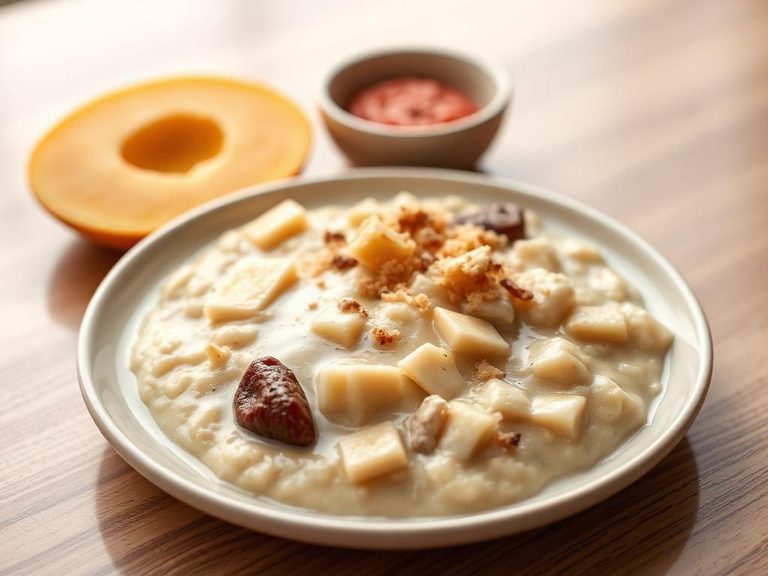 Used as a liquid base for infant oatmeal or cereal
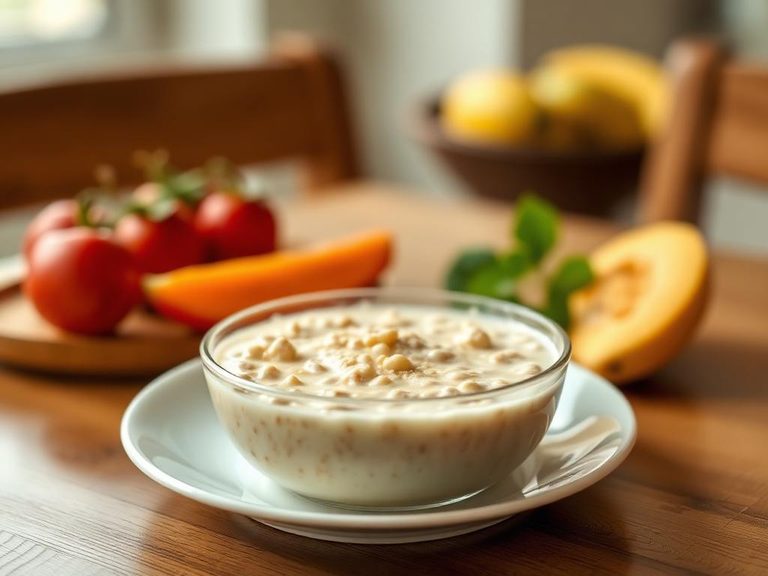 Used as a liquid base for infant cereal
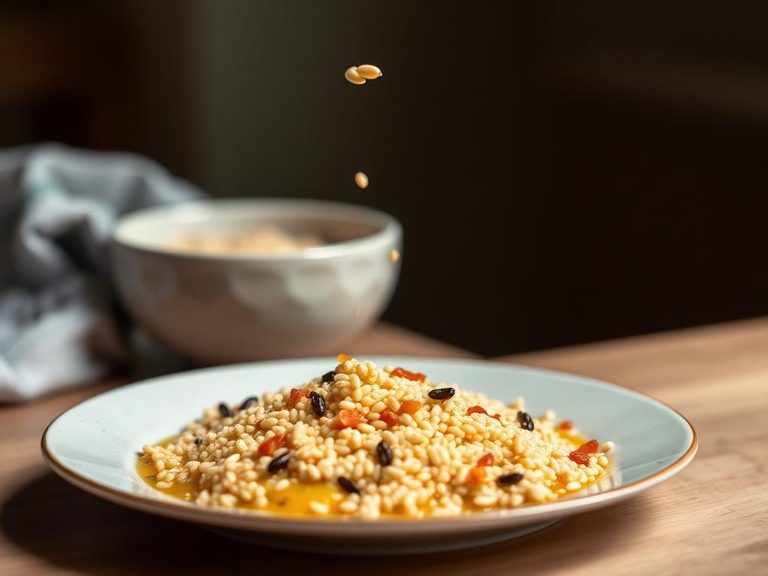 Used as a liquid base for cooking baby's first grains
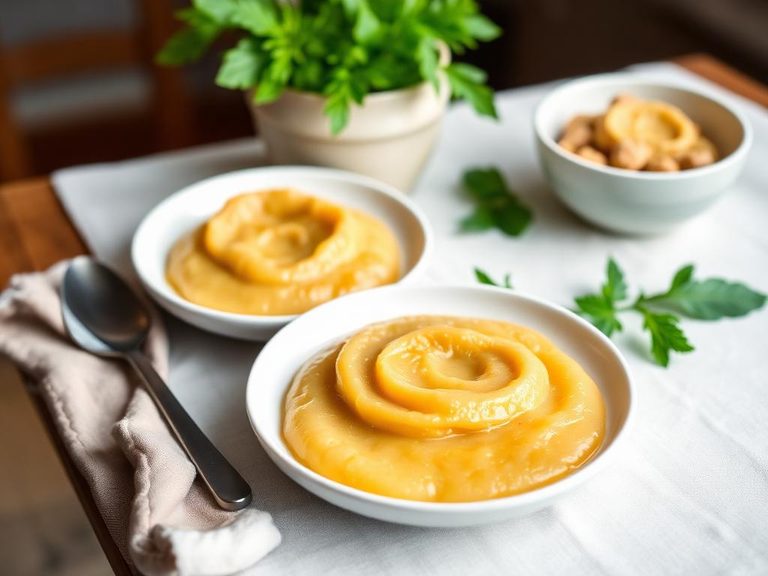 Base for homemade infant purees
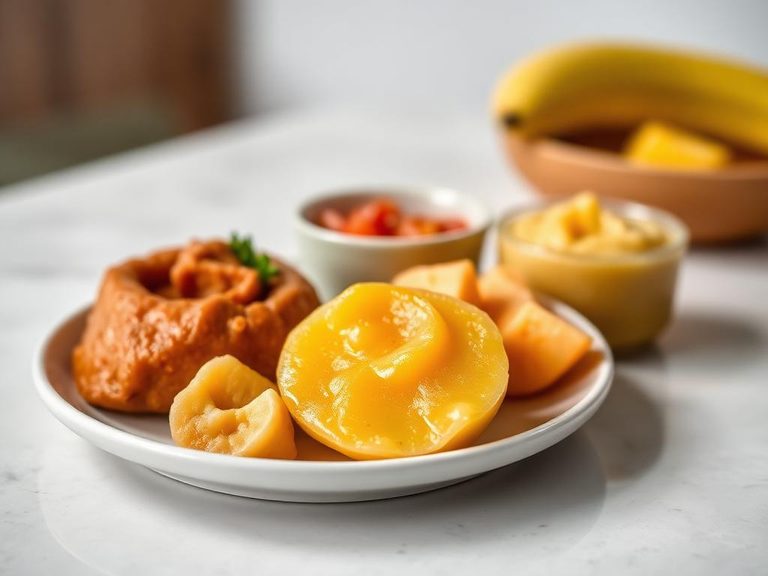 Used as a base for homemade baby food purees
 Used as a Liquid for Medication Administration
 Added to calorie-boosting purees for older infants
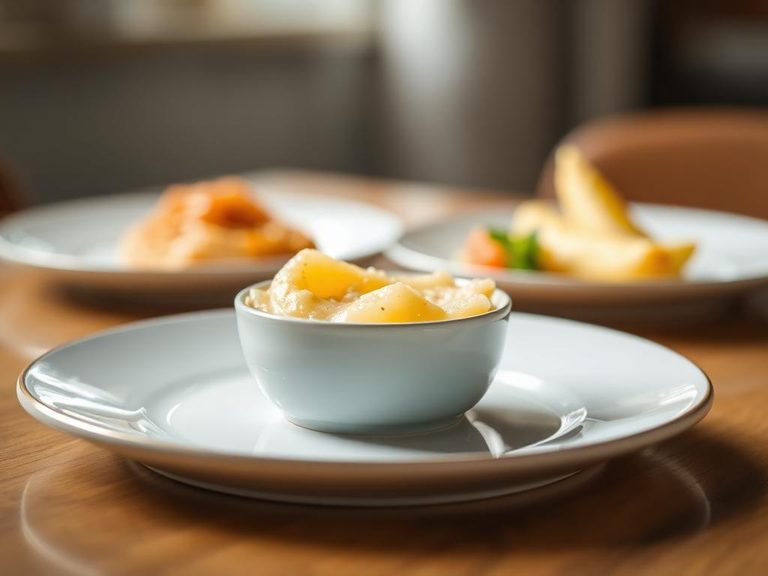 Incorporated into specialized infant purees