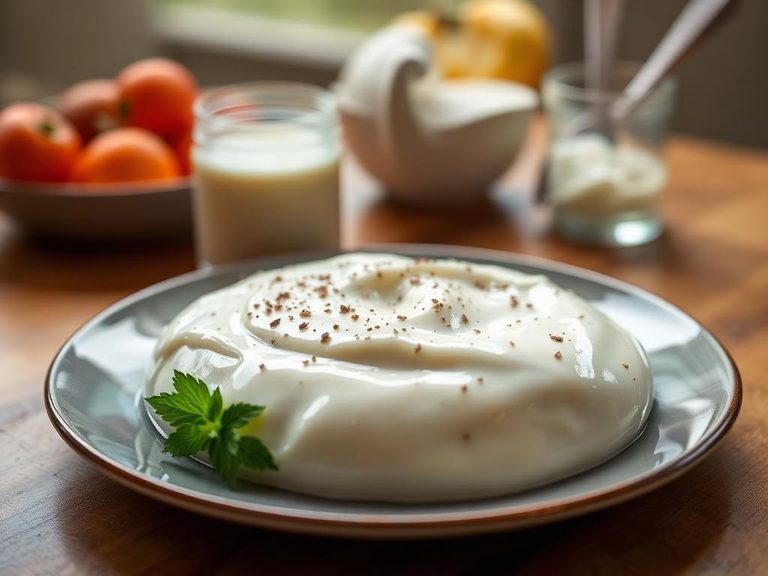
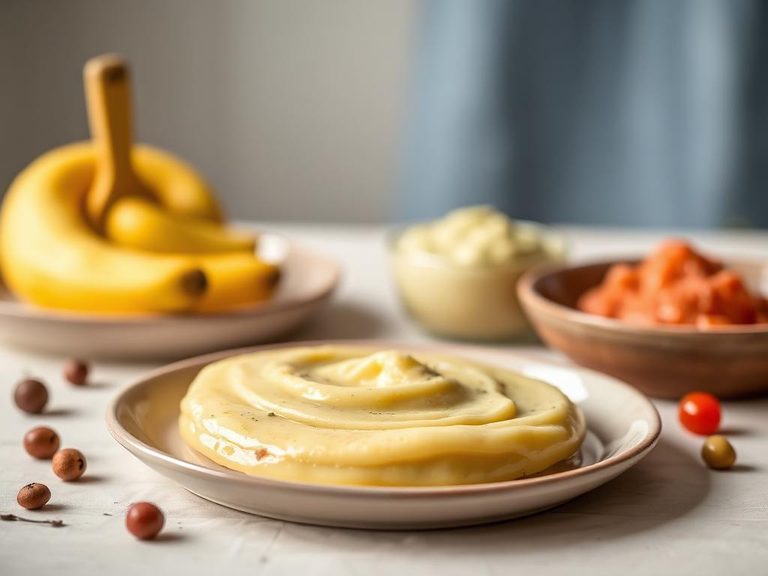
Base for homemade infant purees
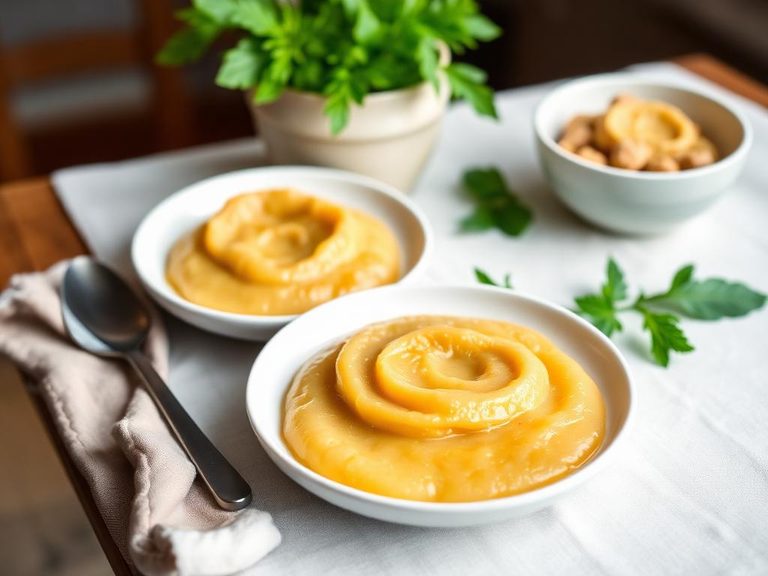
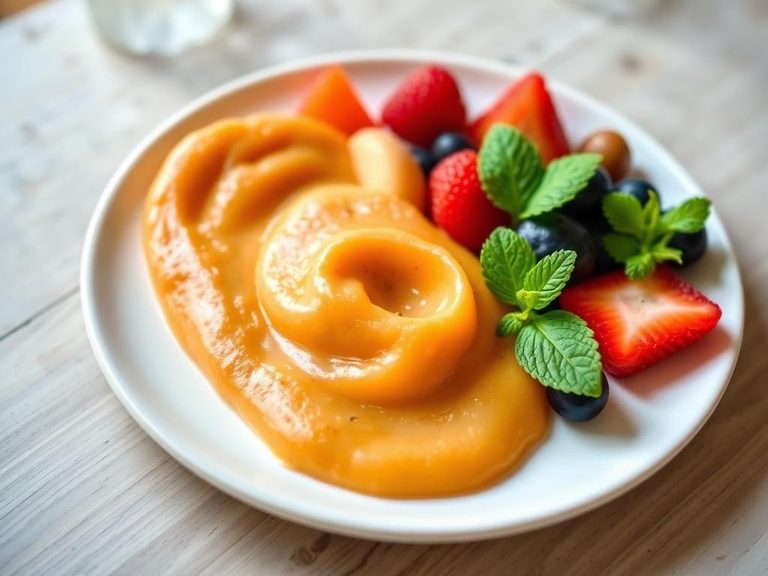
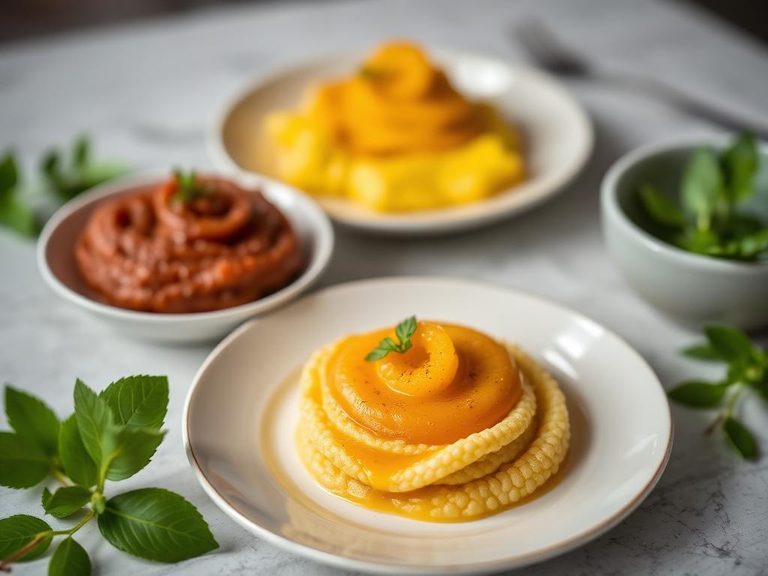
A base for homemade infant purees is a simple, nutrient-dense blend of cooked and blended vegetables, typically made from a single ingredient like carrots, sweet potatoes, or peas. It serves as a foundational first food for babies starting solids, often introduced around 6 months of age. This practice is common worldwide, with parents preparing fresh, additive-free meals at home.
🍽️ Nutrition at a glance
This base is generally high in carbohydrates from the vegetable's natural starches and sugars, providing essential energy for growth. It is low in fat and protein, offering key nutrients like vitamin A, potassium, and fiber, with a typical serving containing roughly 50-80 calories.
Nutrition breakdown
| Calories | 70 kcal |
| Protein | 1.5 g |
| Carbs | 16 g |
| Fat | 0.3 g |
| Fiber | 4 g |
| Sugar | 7 g |
| Sodium | 45 mg |
| Vitamin A | 12000 IU |
| Potassium | 400 mg |
| Vitamin C | 10 mg |
| Vitamin B6 | 0.2 mg |
| Folate | 25 mcg |
| Manganese | 0.3 mg |
| Magnesium | 20 mg |
| Iron | 0.5 mg |
Per 1 cup (240 g) · estimated, varies by recipe
💡 What's interesting
Culturally, preparing homemade purees reflects a tradition of introducing family foods to infants, fostering early exposure to diverse flavors. Nutritionally, it allows parents to control ingredients, avoiding added salts, sugars, and preservatives common in commercial products.