

Used as a base for homemade baby food purees
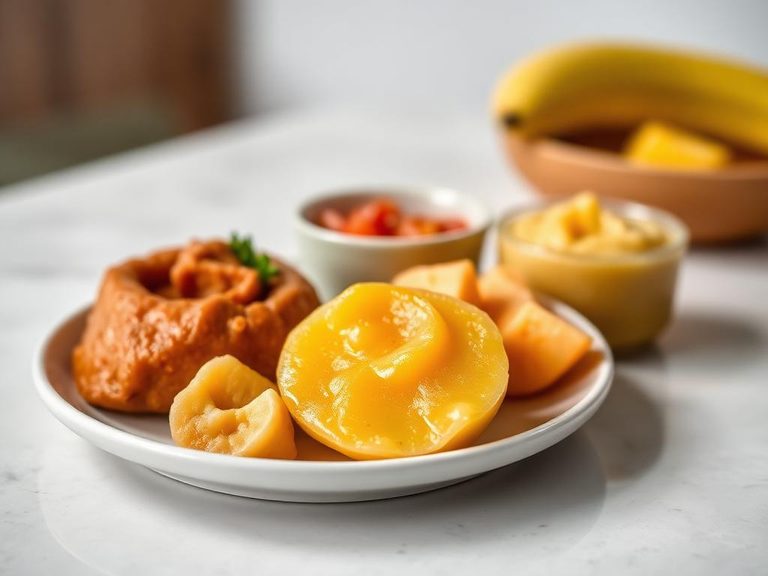
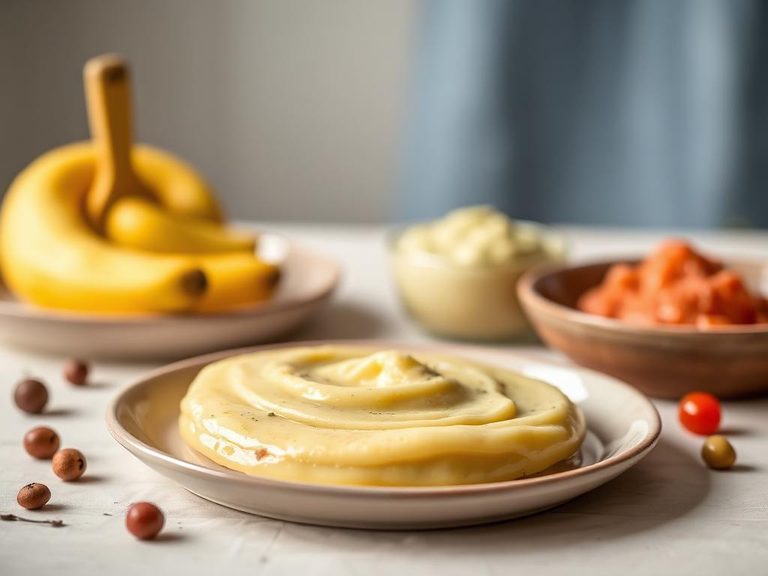
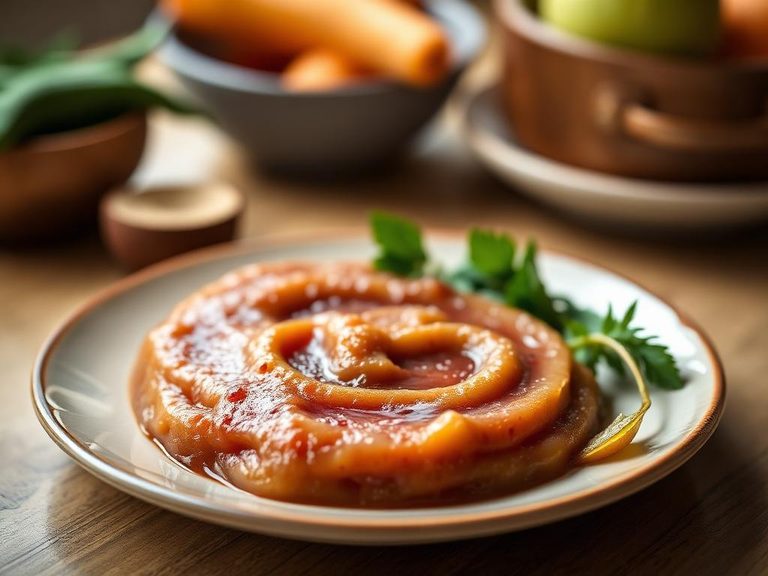
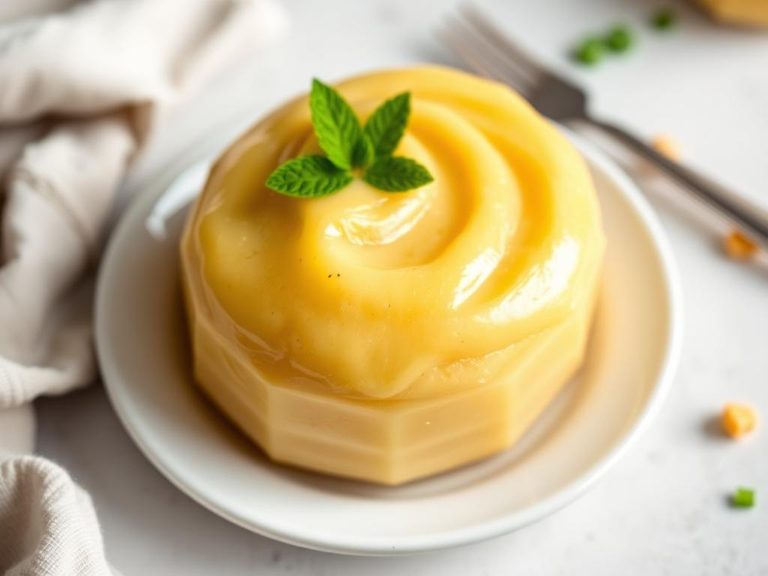
This is not a specific dish, but a general practice of preparing simple, single-ingredient foods to be pureed for infants. Common base ingredients include starchy vegetables like sweet potato, carrot, or butternut squash, as well as mild fruits like apple or pear, and grains like rice or oatmeal. The practice is universal, adapted to local staple crops worldwide.
🍽️ Nutrition at a glance
These bases are typically high in complex carbohydrates for energy and are excellent sources of key nutrients like beta-carotene (vitamin A) from orange vegetables, potassium, and gentle fiber. A typical homemade puree serving (about 2-4 ounces) is low in fat and protein, providing roughly 30-70 calories.
Nutrition breakdown
| Calories | 100 kcal |
| Protein | 2.5 g |
| Carbs | 22 g |
| Fat | 0.5 g |
| Fiber | 4 g |
| Sugar | 5 g |
| Sodium | 10 mg |
| Vitamin A | 1000 IU |
| Vitamin C | 15 mg |
| Vitamin K | 20 mcg |
| Potassium | 400 mg |
| Magnesium | 30 mg |
| Manganese | 0.5 mg |
| Folate | 50 mcg |
| Iron | 1.0 mg |
Per 1 cup (240 g) · estimated, varies by recipe
💡 What's interesting
This practice highlights a key nutritional principle: introducing single, whole foods allows caregivers to identify potential allergies or intolerances and helps infants adapt to new flavors and textures. Nutritionally, it's a direct way to provide the concentrated, easily digestible energy and micronutrients crucial for rapid growth and development.
🍽️ Related dishes
AI estimate may be inaccurate · Terms