Used in homemade baby food purees
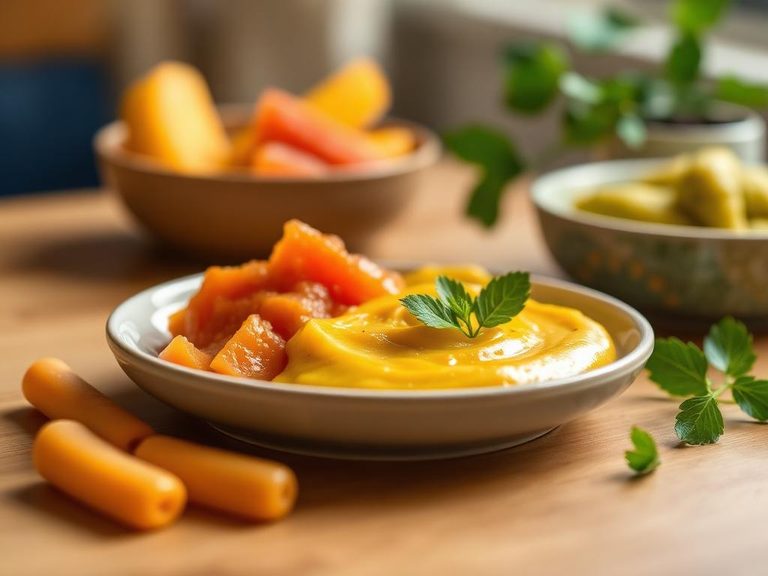
Homemade baby food purees are simple, single-ingredient or blended dishes prepared at home for infants transitioning to solid foods. They typically consist of steamed or boiled vegetables, fruits, or grains like carrots, apples, sweet potatoes, or oats, often thinned with breast milk or formula. This practice is common worldwide, with ingredients varying by regional availability and cultural dietary habits.
🍽️ Nutrition at a glance
These purees are generally low in fat and protein, providing primarily carbohydrates from natural sugars and starches, along with essential vitamins and minerals like vitamin A, potassium, and iron depending on the ingredients. A typical 1/2-cup serving ranges from 20 to 80 calories, making them a light, nutrient-dense option for early feeding.
Nutrition breakdown
| Calories | 100 kcal |
| Protein | 2.5 g |
| Carbs | 22 g |
| Fat | 0.5 g |
| Fiber | 3.5 g |
| Sugar | 8 g |
| Sodium | 30 mg |
| Vitamin A | 150 mcg |
| Vitamin C | 15 mg |
| Vitamin K | 10 mcg |
| Folate | 50 mcg |
| Potassium | 400 mg |
| Magnesium | 30 mg |
| Manganese | 0.5 mg |
| Iron | 1.0 mg |
Per 1 cup (240 g) · estimated, varies by recipe
💡 What's interesting
Homemade baby food purees are nutritionally unique because they allow parents to control texture and introduce allergens gradually, aligning with pediatric guidelines for early allergen exposure. Culturally, they reflect local food traditions, such as using rice in Asian diets or root vegetables in Western cuisines, fostering early palate development tied to family meals.
🍽️ Related dishes
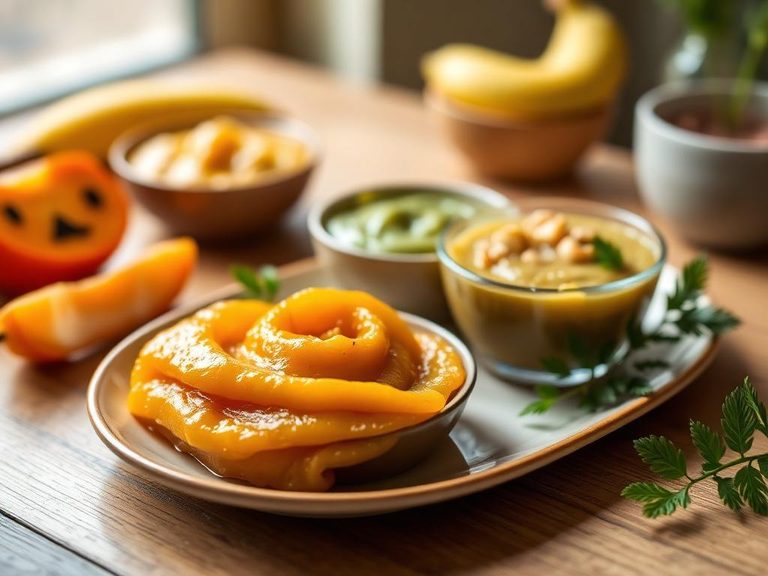 Used in baby food purees
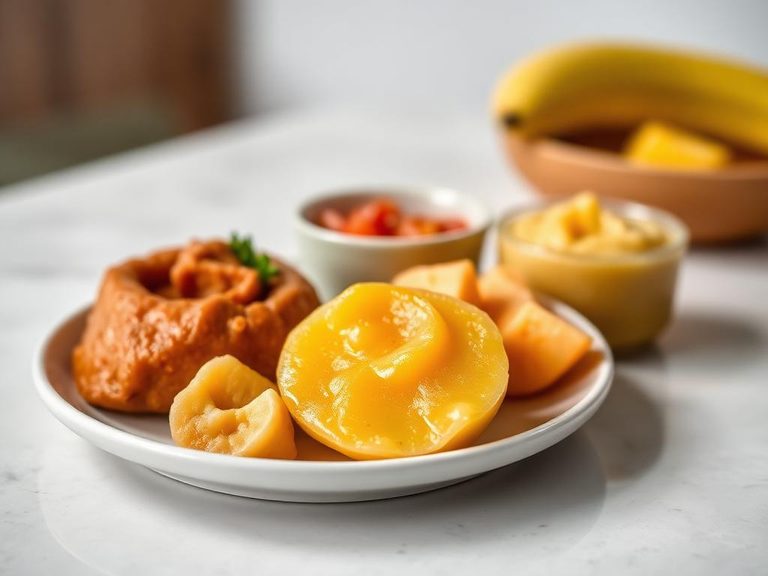 Used as a base for homemade baby food purees
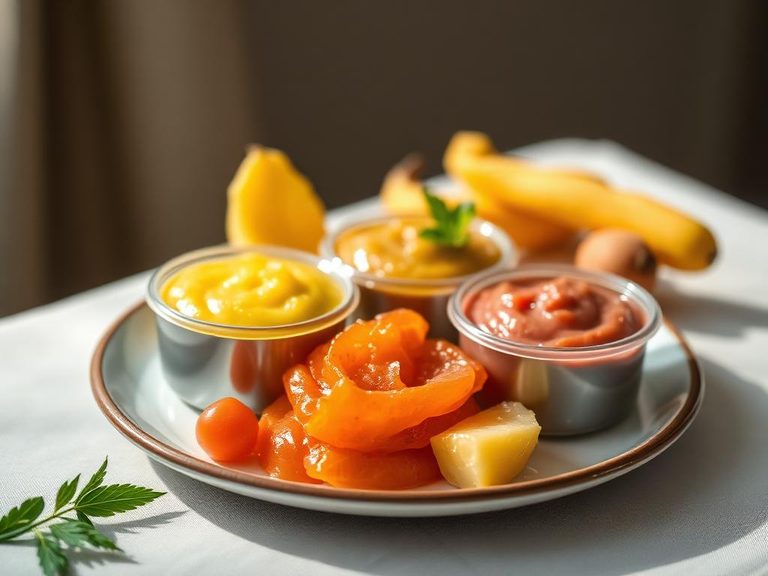 Used in specialty baby food purees
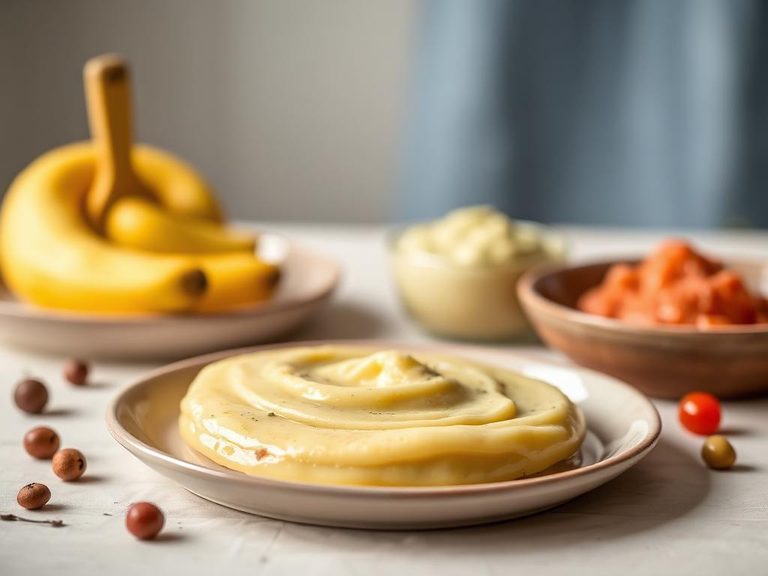 Base for homemade baby food purees
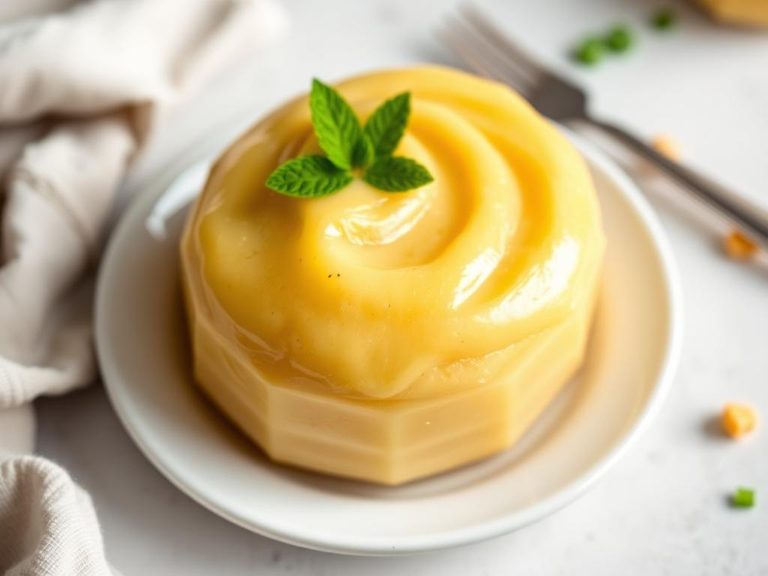 Blended into homemade baby food purees
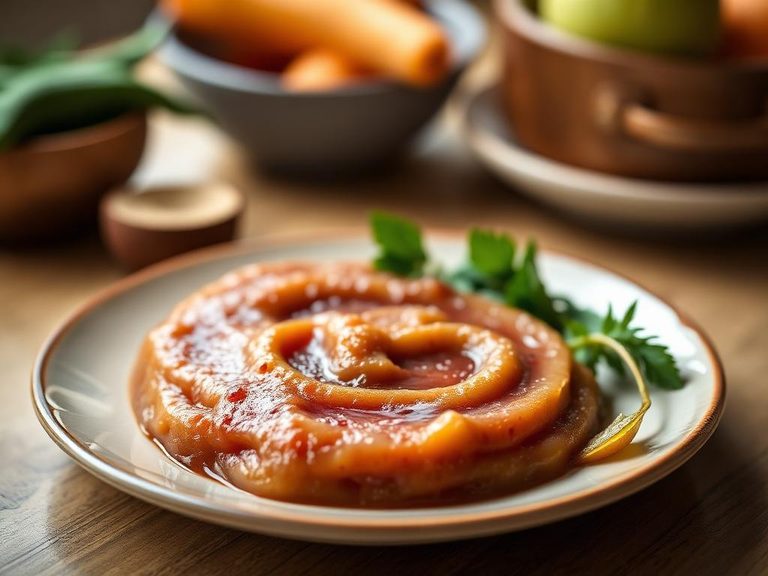 Prepared as a base for homemade baby food purees
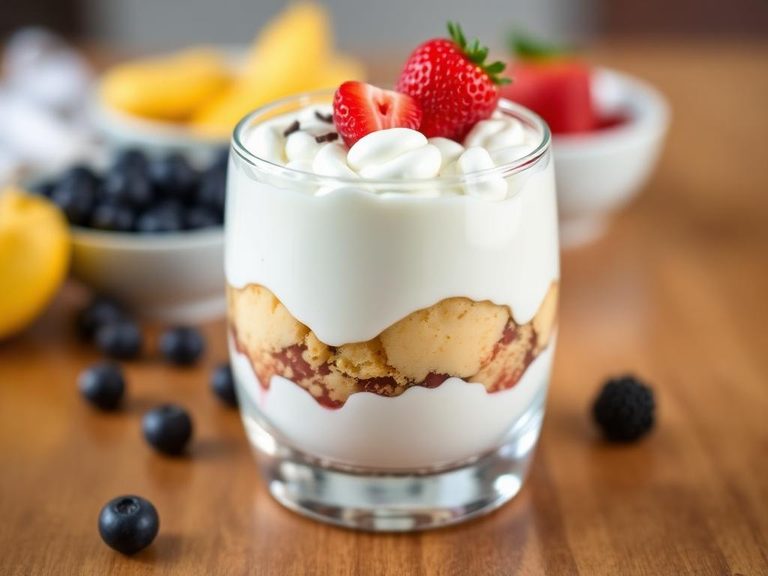 Used as a sweet layer in a baby food parfait
 Used in homemade baby food recipes