Used in specialty infant cereal
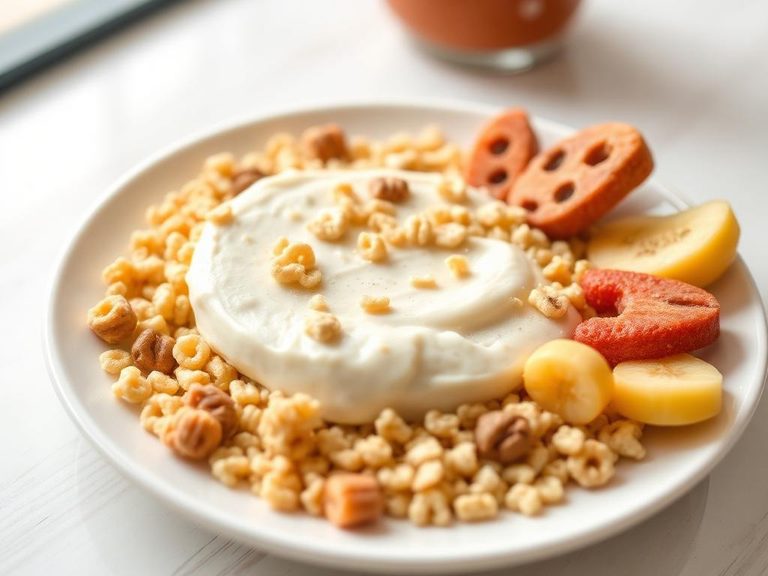
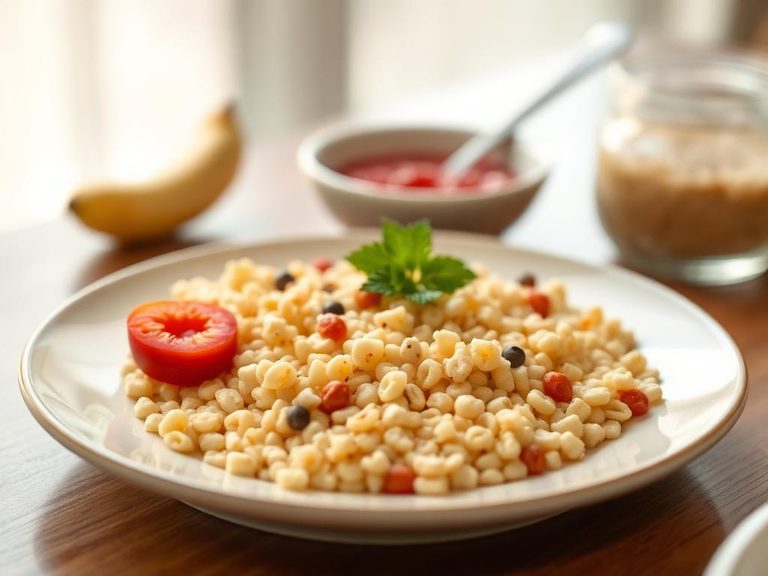
This is a fortified, single-grain cereal specifically formulated for infants starting solid foods, typically made from rice, oat, or barley flour. It is a smooth, thin porridge-like food designed to be easily digestible and mixed with breast milk, formula, or water. It is a staple first food in many Western countries, particularly the United States and Europe.
🍽️ Nutrition at a glance
It is primarily a source of carbohydrates for energy, with minimal fat or protein. Its key nutritional feature is being heavily fortified with essential vitamins and minerals like iron, zinc, and B vitamins to support infant growth. A typical dry serving contains roughly 60-100 calories.
Nutrition breakdown
| Calories | 60 kcal |
| Protein | 1 g |
| Carbs | 13 g |
| Fat | 0.5 g |
| Fiber | 1 g |
| Sugar | 2 g |
| Sodium | 30 mg |
| Iron | 10 mg |
| Zinc | 2 mg |
| Vitamin B6 | 0.3 mg |
| Thiamin (B1) | 0.3 mg |
| Niacin (B3) | 4 mg |
| Folic Acid | 50 mcg |
| Vitamin E | 1.5 mg |
| Potassium | 100 mg |
Per 1/4 cup dry cereal (about 15 g), prepared with liquid · estimated, varies by recipe
💡 What's interesting
Culturally, it represents a modern, convenient approach to introducing solids, often chosen for its hypoallergenic properties and ease of preparation. Nutritionally, its unique aspect is the deliberate fortification to address common infant nutrient gaps, especially iron, which is crucial after six months of age.
🍽️ Related dishes
 Component of specialty infant feeding plans
 Specialty infant nutrition plans
 Used in specialty baby food purees
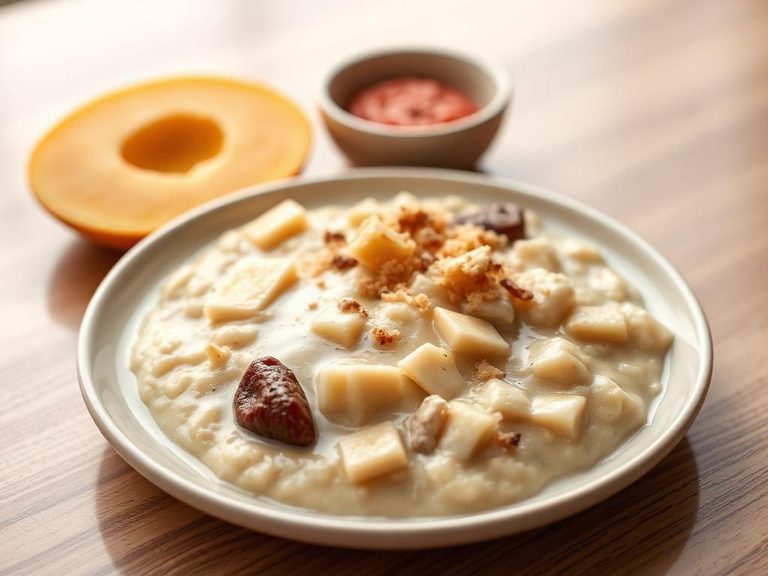 Used as a liquid base for infant oatmeal or cereal
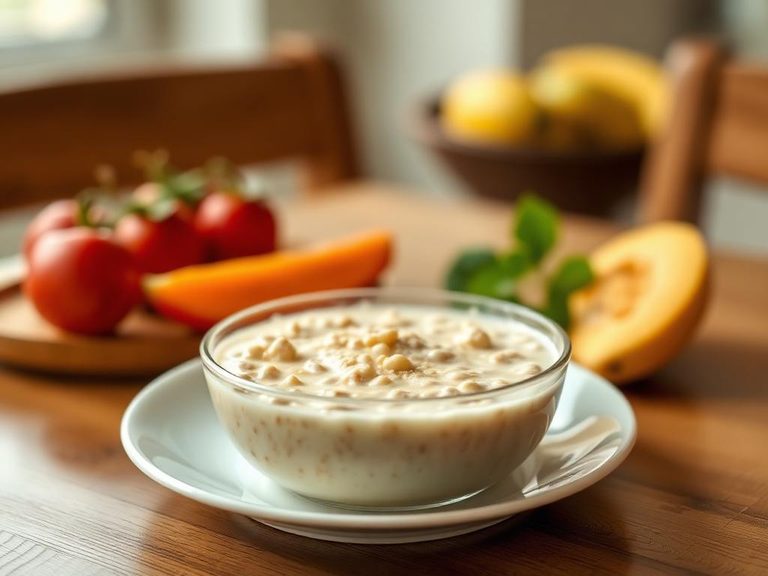 Used as a liquid base for infant cereal
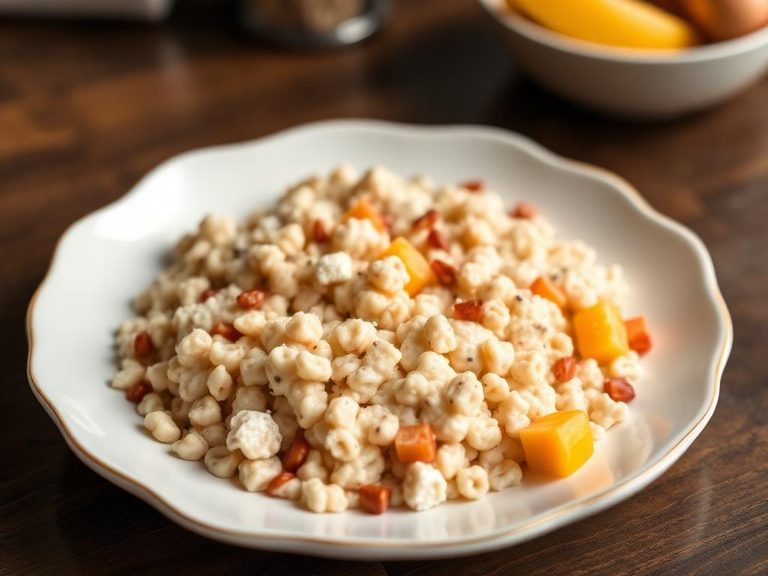 Used as a base for premature infant cereal blends.
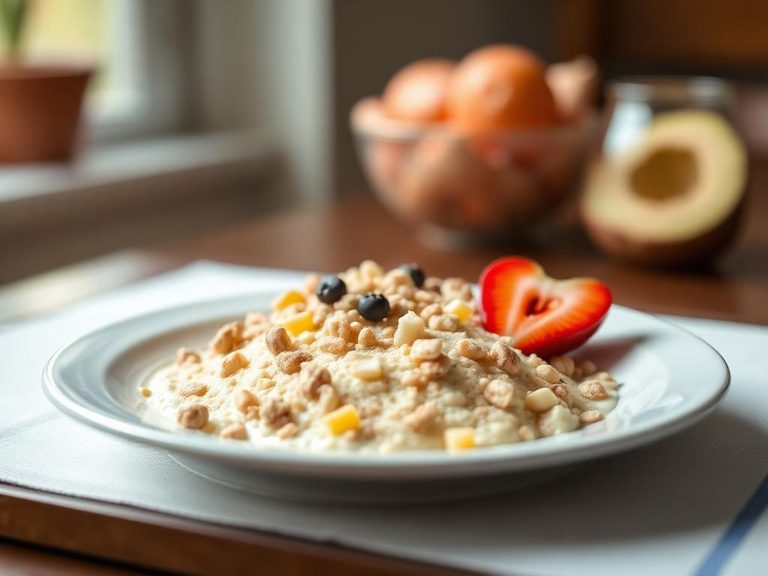 Used as a base for premature infant cereal
 Used to prepare infant cereal