Tallow for frying or confit
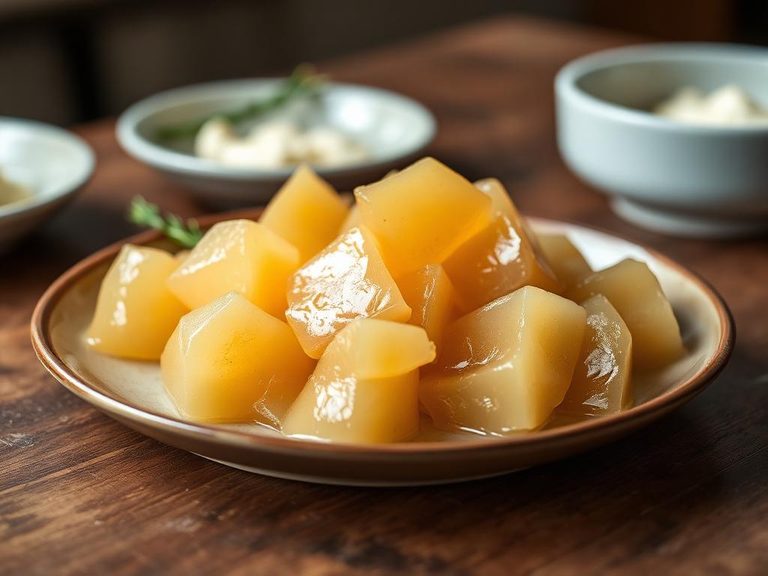
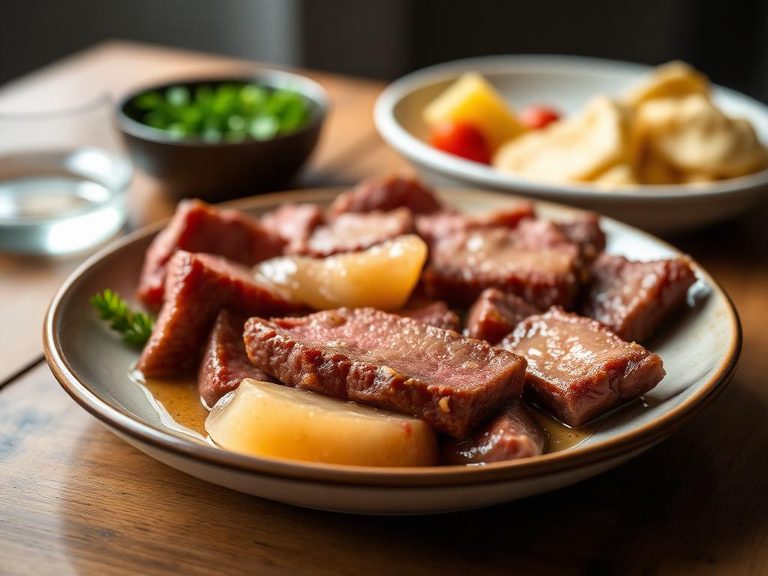
Tallow for frying or confit is a traditional cooking fat rendered from beef or mutton fat, prized for its high smoke point and rich flavor. It is a staple in historical European, especially French and British, cuisines for deep-frying and preserving meats like duck legs in confit. The process involves slowly melting and purifying the raw fat to create a solid, shelf-stable product.
🍽️ Nutrition at a glance
Tallow is almost pure fat, containing no carbohydrates or protein, and is very calorie-dense. It primarily provides saturated and monounsaturated fatty acids, along with fat-soluble vitamins like Vitamin D and E.
Nutrition breakdown
| Calories | 116 kcal |
| Protein | 0 g |
| Carbs | 0 g |
| Fat | 13 g |
| Fiber | 0 g |
| Sugar | 0 g |
| Sodium | 0 mg |
| Vitamin D | 2.1 µg |
| Vitamin E | 0.4 mg |
| Vitamin K | 3.1 µg |
| Choline | 2.6 mg |
| Saturated Fat | 6.4 g |
| Monounsaturated Fat | 5.4 g |
| Polyunsaturated Fat | 0.5 g |
| Cholesterol | 13 mg |
Per 1 tablespoon (14 g) · estimated, varies by recipe
💡 What's interesting
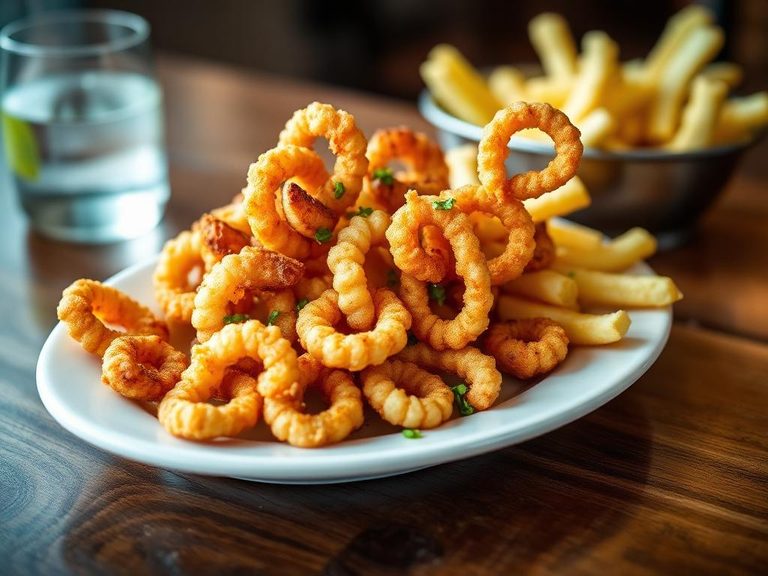
Culturally, tallow was the original 'fryer oil' for classic dishes like fish and chips and is the key medium for the centuries-old preservation technique of confit. Nutritionally, it is stable at high heat, producing fewer harmful compounds than many modern seed oils when used for frying.