

Beef, tenderloin, steak, separable lean only, trimmed to 1/8" fat, all grades, raw
Whole food · Beef Products

Photo: Wikipedia
Beef tenderloin is the most tender cut from the steer, prized for its buttery, melt-in-your-mouth texture and mild, clean beef flavor. As a raw, lean steak trimmed to 1/8-inch fat, it's a blank canvas for high-heat cooking. Nutritionally, it's a powerhouse of high-quality protein with minimal fat and zero carbohydrates.
Calorie split: 60% protein · 0% carbs · 40% fat
↓ Full nutrition💚 Why it's loved
People love tenderloin for its unparalleled tenderness and subtle, non-gamey flavor that appeals to even those wary of red meat. Its uniform shape and mildness make it incredibly versatile, perfect for elegant preparations like Beef Wellington or simple, perfect searing.
⚠️ Watch-outs & how to enjoy it better
The primary downside is its high cost, making it a luxury item. As a lean red meat, it should be consumed in moderation as part of a balanced diet. To maximize nutrition, pair it with a vitamin C-rich side (like a citrus salad or roasted peppers) to enhance iron absorption.
Key benefits
- Excellent source of complete, high-quality protein for muscle maintenance.
- Very low in fat and calories for a red meat, especially when trimmed.
- Naturally zero carbohydrates and sugars.
- Rich in essential minerals like iron, zinc, and B vitamins (especially B12).
- Highly digestible due to its lean, fine-grained texture.
🍽️ Popular dishes
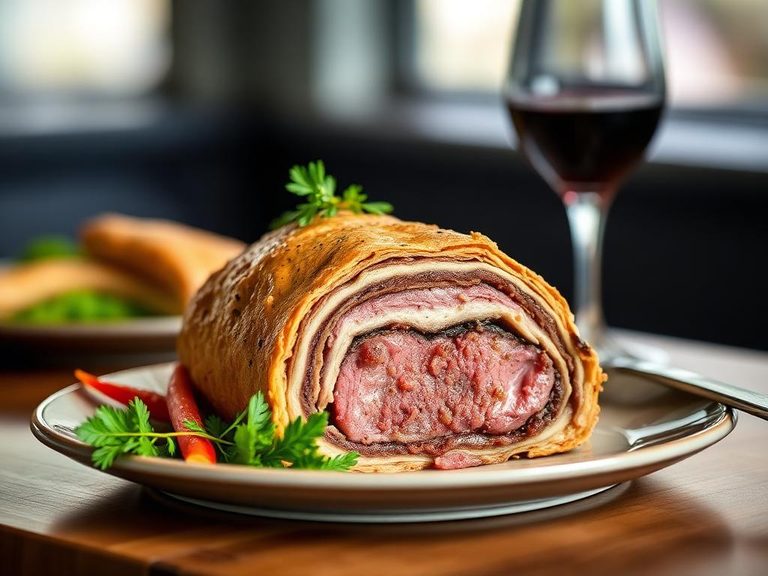
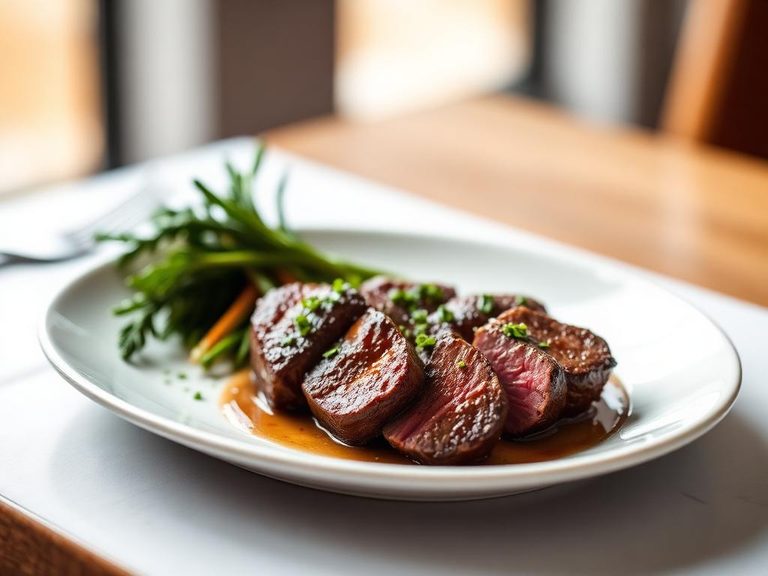
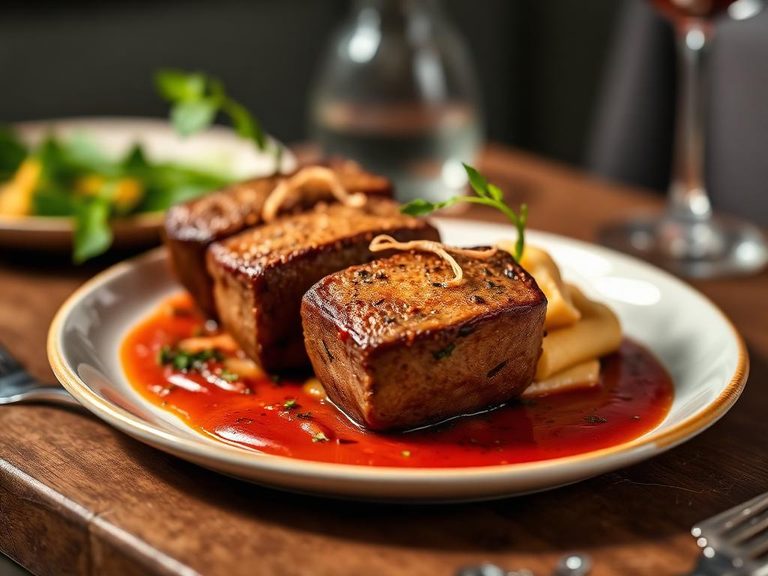
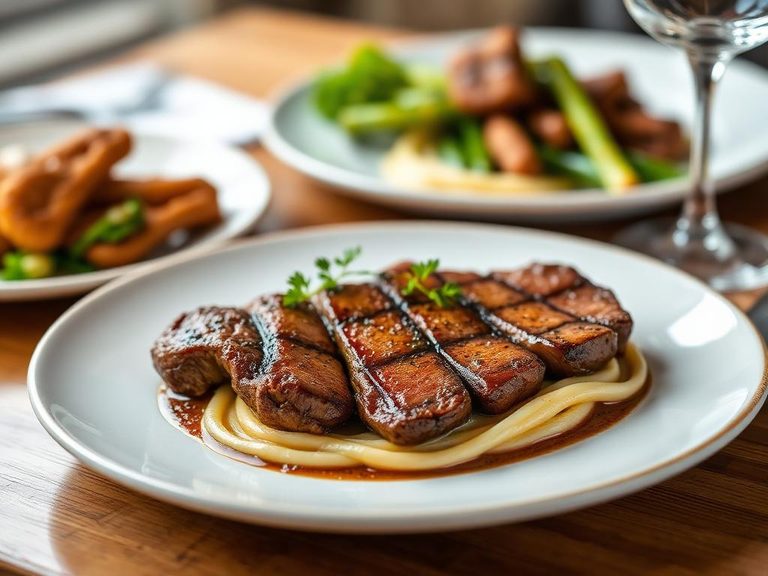
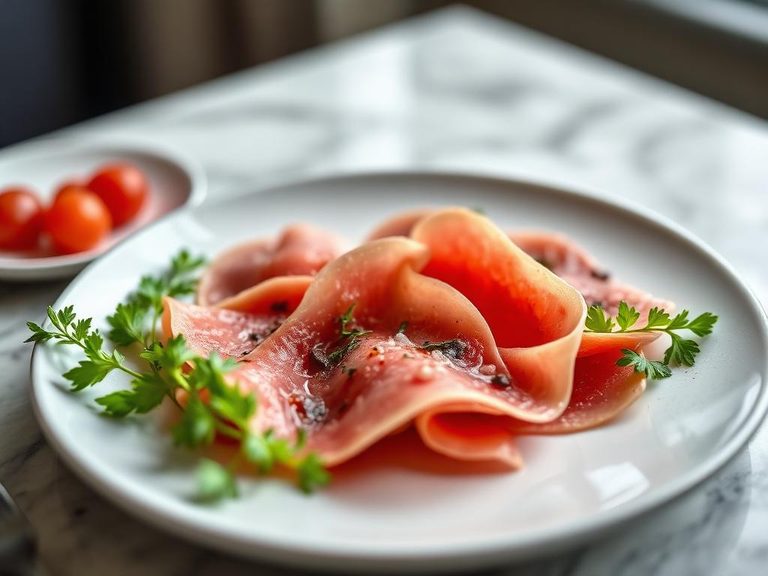
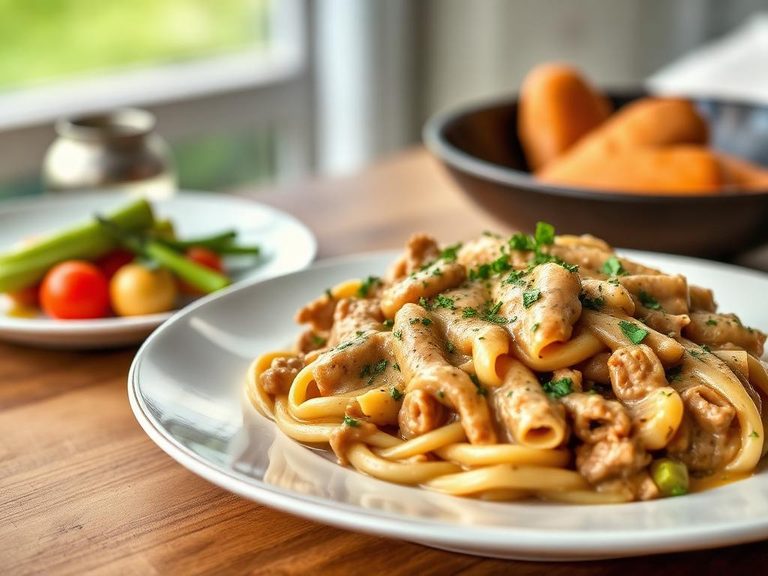
🌍 Where it's eaten
💡 Did you know?
The 'tenderloin' is a long, slender muscle (the psoas major) that runs along the spine and does very little work, which is why it remains so tender—it's essentially the 'lazy muscle' of the cow.
Full nutrition (USDA data · scales with serving)
| Water | 70.6 g |
| Energy | 153 kcal |
| Energy | 641 kj |
| Protein | 22.1 g |
| Total lipid (fat) | 6.5 g |
| Ash | 1.1 g |
| Carbohydrate, by difference | 0.00 g |
| Fiber, total dietary | 0.00 g |
| Total Sugars | 0.00 g |
| Calcium, Ca | 24.0 mg |
| Iron, Fe | 1.6 mg |
| Magnesium, Mg | 23.0 mg |
| Phosphorus, P | 206 mg |
| Potassium, K | 347 mg |
| Sodium, Na | 56.0 mg |
| Zinc, Zn | 4.0 mg |
| Copper, Cu | 0.07 mg |
| Manganese, Mn | 0.01 mg |
| Selenium, Se | 26.9 ug |
| Vitamin C, total ascorbic acid | 0.00 mg |
| Thiamin | 0.07 mg |
| Riboflavin | 0.11 mg |
| Niacin | 6.9 mg |
| Pantothenic acid | 0.65 mg |
| Vitamin B-6 | 0.62 mg |
| Folate, total | 13.0 ug |
| Folic acid | 0.00 ug |
| Folate, food | 13.0 ug |
| Folate, DFE | 13.0 ug |
| Choline, total | 92.4 mg |
| Betaine | 13.6 mg |
| Vitamin B-12 | 1.1 ug |
| Vitamin B-12, added | 0.00 ug |
| Vitamin A, RAE | 0.00 ug |
| Retinol | 0.00 ug |
| Carotene, beta | 0.00 ug |
| Carotene, alpha | 0.00 ug |
| Cryptoxanthin, beta | 0.00 ug |
| Vitamin A, IU | 0.00 iu |
| Lycopene | 0.00 ug |
| Lutein + zeaxanthin | 0.00 ug |
| Vitamin E (alpha-tocopherol) | 0.32 mg |
| Vitamin E, added | 0.00 mg |
| Tocopherol, beta | 0.00 mg |
| Tocopherol, gamma | 0.00 mg |
| Tocopherol, delta | 0.00 mg |
| Vitamin K (phylloquinone) | 1.3 ug |
| Alcohol, ethyl | 0.00 g |
| Caffeine | 0.00 mg |
| Theobromine | 0.00 mg |
Fat & fatty acid profile (per 100g)
| Fatty acids, total saturated | 2.4 g |
| SFA 4:0 | 0.00 g |
| SFA 6:0 | 0.00 g |
| SFA 8:0 | 0.00 g |
| SFA 10:0 | 0.00 g |
| SFA 12:0 | 0.00 g |
| SFA 14:0 | 0.17 g |
| SFA 16:0 | 1.4 g |
| SFA 18:0 | 0.80 g |
| Fatty acids, total monounsaturated | 2.6 g |
| MUFA 16:1 | 0.20 g |
| MUFA 18:1 | 2.4 g |
| MUFA 20:1 | 0.00 g |
| MUFA 22:1 | 0.00 g |
| Fatty acids, total polyunsaturated | 0.28 g |
| PUFA 18:2 | 0.23 g |
| PUFA 18:3 | 0.01 g |
| PUFA 18:4 | 0.00 g |
| PUFA 20:4 | 0.04 g |
| PUFA 20:5 n-3 (EPA) | 0.00 g |
| PUFA 22:5 n-3 (DPA) | 0.00 g |
| PUFA 22:6 n-3 (DHA) | 0.00 g |
| Cholesterol | 65.0 mg |
Amino acid profile (per 100g)
| Tryptophan | 0.14 g |
| Threonine | 0.88 g |
| Isoleucine | 1.0 g |
| Leucine | 1.8 g |
| Lysine | 1.9 g |
| Methionine | 0.58 g |
| Cystine | 0.28 g |
| Phenylalanine | 0.87 g |
| Tyrosine | 0.70 g |
| Valine | 1.1 g |
| Arginine | 1.4 g |
| Histidine | 0.71 g |
| Alanine | 1.3 g |
| Aspartic acid | 2.0 g |
| Glutamic acid | 3.3 g |
| Glycine | 1.3 g |
| Proline | 1.1 g |
| Serine | 0.87 g |
| Hydroxyproline | 0.23 g |
FAQ
What's the difference between tenderloin and filet mignon?
Tenderloin is the whole primal cut of meat. Filet mignon refers to individual steaks cut from the tenderloin, typically the center-cut, cylindrical pieces.
Why is beef tenderloin so expensive?
It's expensive due to its small yield (only about 2-3% of the carcass), extreme tenderness, high demand, and labor-intensive butchering and trimming process.
What's the best way to cook a tenderloin steak?
High-heat methods like searing in a cast-iron skillet or grilling are ideal. Cook to medium-rare (130-135°F internal) to preserve its tenderness and moisture, as overcooking will dry out this lean cut.
Nutrient density (calculated · NRF9.3)
Nutrient Rich Foods index: beneficial nutrients (protein, fiber, vitamins, minerals) minus saturated fat, added sugar & sodium, per 100 kcal.
NRF9.3 index — Fulgoni, Keast & Drewnowski, 2009. Computed from USDA nutrients.
Weight-loss friendliness (composite index)
Energy density 1.53 kcal/g · 58% calories from protein · 0.0 g fiber · 0.0 g sugar per 100 g.
Composite of energy density (Rolls et al., 1999), protein & fiber satiety, minus sugar. A calculated heuristic — ranks satiety-per-calorie, not a clinical measure.
Dietary load (calculated from USDA values)
Potential renal acid load. Positive = acid-forming, negative = alkaline-forming.
Sodium-to-potassium ratio: 0.16 (lower is better — aim for ≤ 1)
Sodium:potassium per WHO potassium guidance. Computed from USDA nutrients.