

Asparagus, canned, drained solids
Whole food · Vegetables and Vegetable Products
Canned asparagus consists of tender, pre-cooked spears preserved in a brine or water, offering a softer, more uniform texture and a milder, slightly salty flavor compared to fresh. Nutritionally, it's a low-calorie, fiber-rich vegetable that provides a modest but valuable source of plant-based protein. Its convenience and long shelf life make it a reliable pantry staple for quick meal additions.
Calorie split: 35% protein · 41% carbs · 24% fat
↓ Full nutrition💚 Why it's loved
People love canned asparagus for its unmatched convenience and consistent availability, allowing for a quick, nutritious boost to salads, pastas, and omelets year-round. Its mild flavor and tender texture make it an easy, non-intimidating vegetable for many palates.
⚠️ Watch-outs & how to enjoy it better
A primary downside is the often high sodium content from the canning brine, which can contribute to excess salt intake. To counteract this, rinse the spears thoroughly under cold water before use and opt for 'low sodium' or 'no salt added' versions when possible. The softer texture may also be less appealing to those who prefer the crisp bite of fresh asparagus.
Key benefits
- Very low in calories, supporting weight management.
- Good source of dietary fiber for digestive health.
- Provides plant-based protein for muscle maintenance.
- Rich in antioxidants like glutathione and flavonoids.
- Contains folate, essential for cell division.
🍽️ Popular dishes
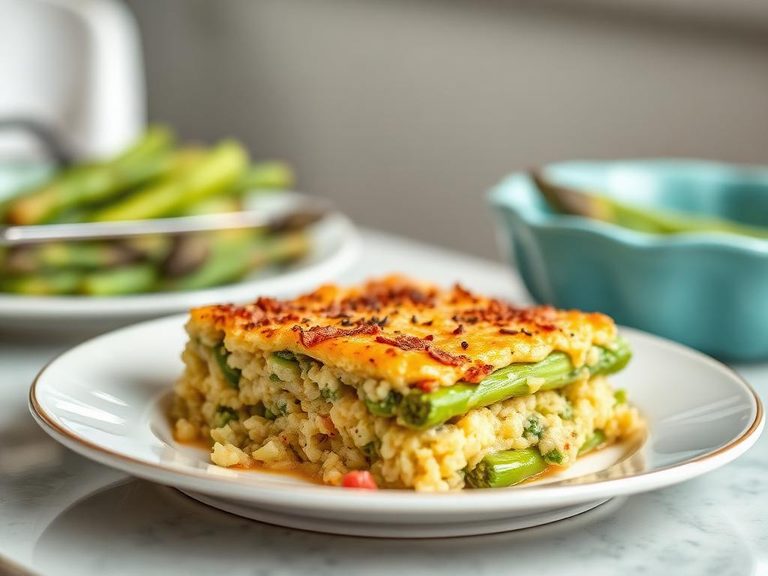
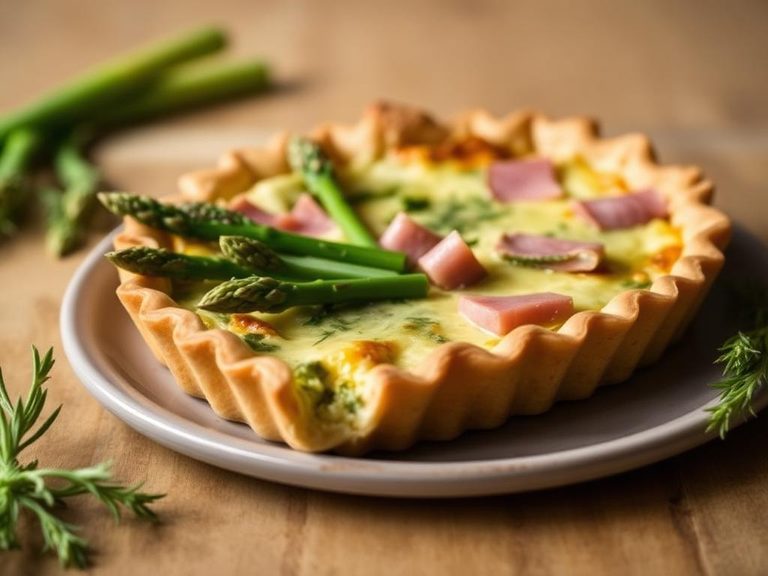
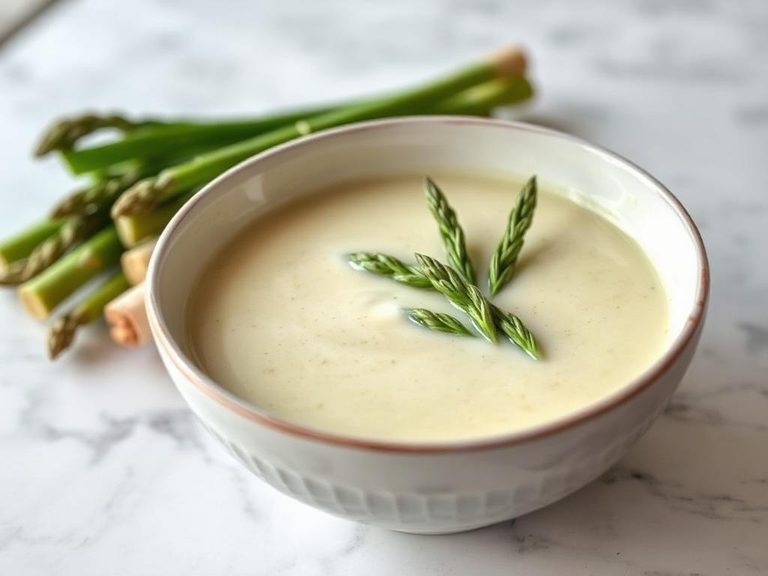
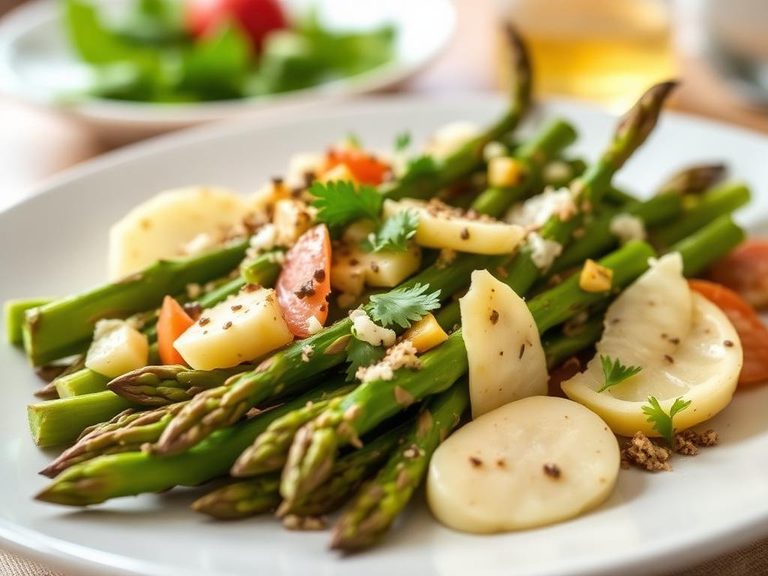

🌍 Where it's eaten
💡 Did you know?
The word 'asparagus' comes from the ancient Greek word 'asparagos,' but the vegetable itself was first cultivated by the ancient Egyptians over 2,000 years ago, and it was so prized that it was served to pharaohs.
Full nutrition (USDA data · scales with serving)
| Water | 94.0 g |
| Energy | 19.0 kcal |
| Energy | 81.0 kj |
| Protein | 2.1 g |
| Total lipid (fat) | 0.65 g |
| Ash | 0.77 g |
| Carbohydrate, by difference | 2.5 g |
| Fiber, total dietary | 1.6 g |
| Total Sugars | 1.1 g |
| Calcium, Ca | 16.0 mg |
| Iron, Fe | 1.8 mg |
| Magnesium, Mg | 10.0 mg |
| Phosphorus, P | 43.0 mg |
| Potassium, K | 172 mg |
| Sodium, Na | 287 mg |
| Zinc, Zn | 0.40 mg |
| Copper, Cu | 0.10 mg |
| Manganese, Mn | 0.17 mg |
| Selenium, Se | 1.7 ug |
| Vitamin C, total ascorbic acid | 18.4 mg |
| Thiamin | 0.06 mg |
| Riboflavin | 0.10 mg |
| Niacin | 0.95 mg |
| Pantothenic acid | 0.14 mg |
| Vitamin B-6 | 0.11 mg |
| Folate, total | 96.0 ug |
| Folic acid | 0.00 ug |
| Folate, food | 96.0 ug |
| Folate, DFE | 96.0 ug |
| Choline, total | 21.4 mg |
| Betaine | 0.70 mg |
| Vitamin B-12 | 0.00 ug |
| Vitamin B-12, added | 0.00 ug |
| Vitamin A, RAE | 41.0 ug |
| Retinol | 0.00 ug |
| Carotene, beta | 493 ug |
| Carotene, alpha | 0.00 ug |
| Cryptoxanthin, beta | 0.00 ug |
| Vitamin A, IU | 822 iu |
| Lycopene | 24.0 ug |
| Lutein + zeaxanthin | 630 ug |
| Vitamin E (alpha-tocopherol) | 1.2 mg |
| Vitamin E, added | 0.00 mg |
| Vitamin D (D2 + D3), International Units | 0.00 iu |
| Vitamin D (D2 + D3) | 0.00 ug |
| Vitamin K (phylloquinone) | 41.3 ug |
| Alcohol, ethyl | 0.00 g |
| Caffeine | 0.00 mg |
| Theobromine | 0.00 mg |
Fat & fatty acid profile (per 100g)
| Fatty acids, total saturated | 0.15 g |
| SFA 4:0 | 0.00 g |
| SFA 6:0 | 0.00 g |
| SFA 8:0 | 0.00 g |
| SFA 10:0 | 0.00 g |
| SFA 12:0 | 0.00 g |
| SFA 14:0 | 0.00 g |
| SFA 16:0 | 0.13 g |
| SFA 18:0 | 0.01 g |
| Fatty acids, total monounsaturated | 0.02 g |
| MUFA 16:1 | 0.00 g |
| MUFA 18:1 | 0.02 g |
| MUFA 20:1 | 0.00 g |
| MUFA 22:1 | 0.00 g |
| Fatty acids, total polyunsaturated | 0.28 g |
| PUFA 18:2 | 0.27 g |
| PUFA 18:3 | 0.01 g |
| PUFA 18:4 | 0.00 g |
| PUFA 20:4 | 0.00 g |
| PUFA 20:5 n-3 (EPA) | 0.00 g |
| PUFA 22:5 n-3 (DPA) | 0.00 g |
| PUFA 22:6 n-3 (DHA) | 0.00 g |
| Fatty acids, total trans | 0.00 g |
| Cholesterol | 0.00 mg |
Amino acid profile (per 100g)
| Tryptophan | 0.02 g |
| Threonine | 0.06 g |
| Isoleucine | 0.08 g |
| Leucine | 0.09 g |
| Lysine | 0.10 g |
| Methionine | 0.02 g |
| Cystine | 0.03 g |
| Phenylalanine | 0.05 g |
| Tyrosine | 0.03 g |
| Valine | 0.08 g |
| Arginine | 0.10 g |
| Histidine | 0.03 g |
| Alanine | 0.10 g |
| Aspartic acid | 0.25 g |
| Glutamic acid | 0.35 g |
| Glycine | 0.07 g |
| Proline | 0.11 g |
| Serine | 0.08 g |
FAQ
Is canned asparagus as nutritious as fresh?
While canning can reduce some heat-sensitive vitamins like Vitamin C, canned asparagus retains most of its fiber, minerals, and antioxidants. It's a nutritious and convenient alternative, especially when fresh isn't available.
How can I reduce the salty taste from canned asparagus?
Simply drain and rinse the spears under cold running water for a minute. This can remove up to 40% of the added sodium. You can also look for cans labeled 'low sodium' or 'no salt added'.
What's the best way to use canned asparagus in cooking?
It's perfect for dishes where it will be heated or mixed with other flavors, like in casseroles, soups, quiches, or pasta bakes. For salads, rinse well and pat dry. Avoid overcooking it further, as it's already tender.
Nutrient density (calculated · NRF9.3)
Nutrient Rich Foods index: beneficial nutrients (protein, fiber, vitamins, minerals) minus saturated fat, added sugar & sodium, per 100 kcal.
NRF9.3 index — Fulgoni, Keast & Drewnowski, 2009. Computed from USDA nutrients.
Weight-loss friendliness (composite index)
Energy density 0.19 kcal/g · 45% calories from protein · 1.6 g fiber · 1.1 g sugar per 100 g.
Composite of energy density (Rolls et al., 1999), protein & fiber satiety, minus sugar. A calculated heuristic — ranks satiety-per-calorie, not a clinical measure.
Dietary load (calculated from USDA values)
Potential renal acid load. Positive = acid-forming, negative = alkaline-forming.
Sodium-to-potassium ratio: 1.67 (lower is better — aim for ≤ 1)
Sodium:potassium per WHO potassium guidance. Computed from USDA nutrients.