

Collards, cooked, boiled, drained, with salt
Whole food · Vegetables and Vegetable Products

Photo: Wikipedia
Collards, cooked and boiled, are a hearty, dark leafy green with a tender yet slightly chewy texture and a deep, earthy, mildly bitter flavor that mellows with cooking. At just 33 calories per 100g, they are a nutritional powerhouse, delivering over 4g of fiber and a solid 2.7g of protein, making them a cornerstone of soulful, nutrient-dense meals.
Calorie split: 27% protein · 57% carbs · 16% fat
↓ Full nutrition💚 Why it's loved
People love collards for their deep, savory flavor that pairs perfectly with smoky meats, vinegar, and spices, creating a rich, comforting dish. They are a cultural staple in Southern U.S. cuisine, often served as a symbol of good luck and prosperity on New Year's Day.
⚠️ Watch-outs & how to enjoy it better
The natural bitterness and tough texture can be off-putting to some, and boiling can leach water-soluble vitamins. To counteract this, cook them with a flavorful fat like bacon grease or smoked turkey to balance bitterness, and avoid over-boiling to retain nutrients; adding a splash of vinegar or lemon juice can also brighten the flavor.
Key benefits
- Excellent source of vitamin K and vitamin A
- High in dietary fiber for digestive health
- Rich in antioxidants like lutein and zeaxanthin
- Low-calorie, high-volume food for weight management
- Good source of calcium and iron when cooked
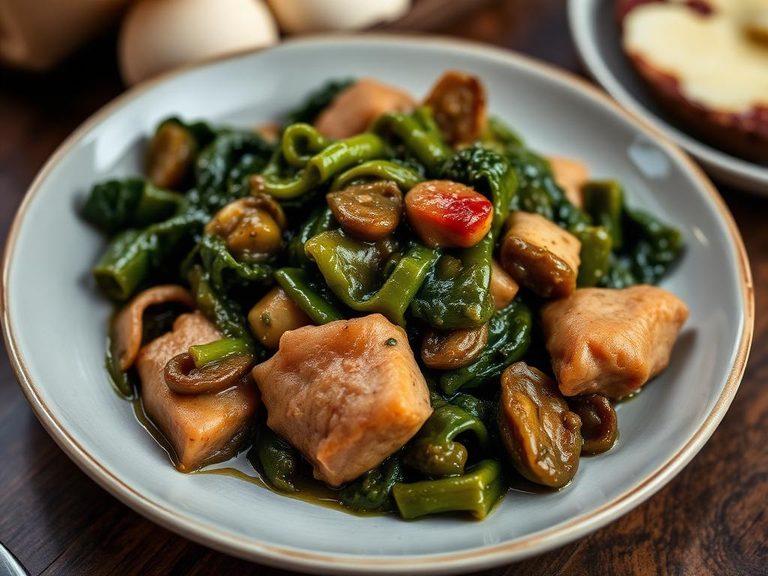
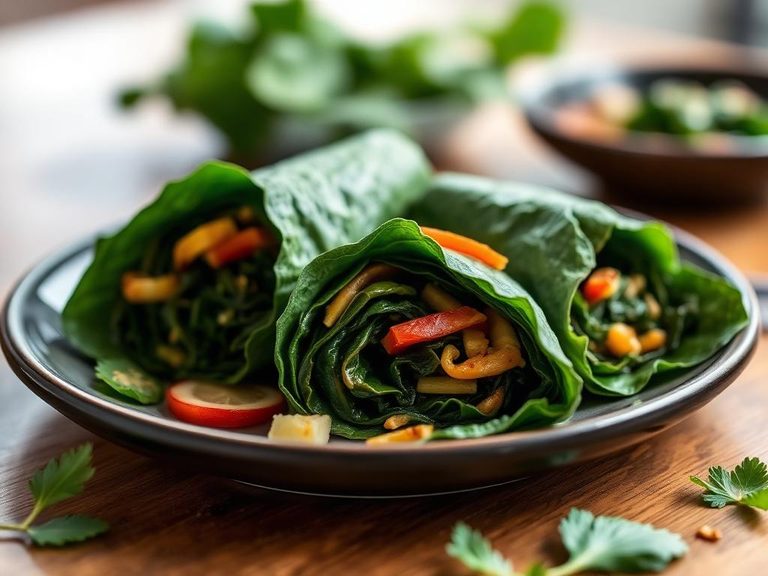
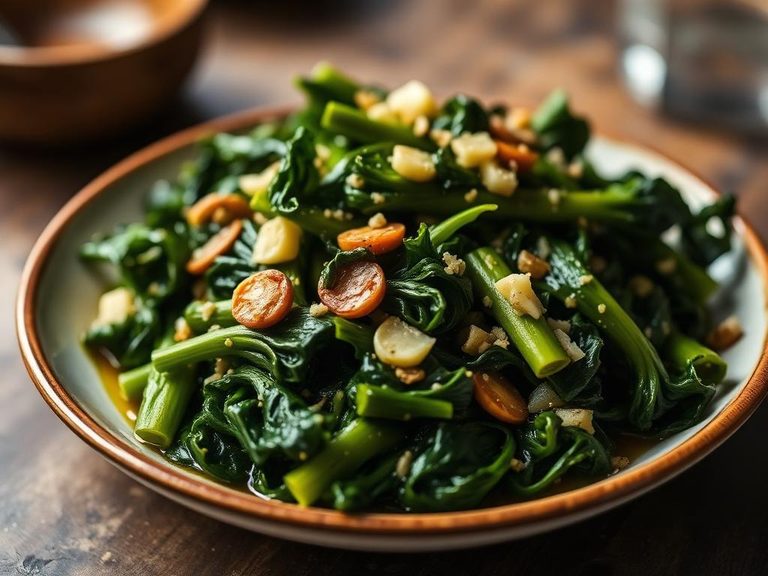
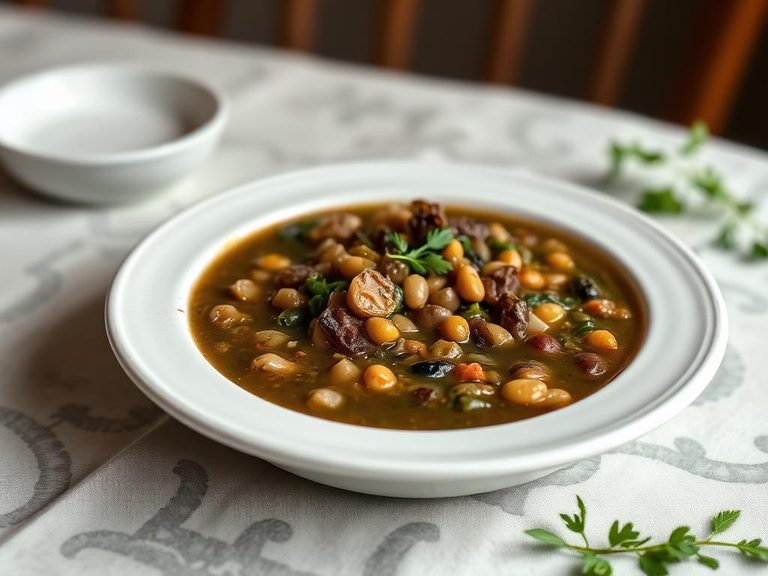
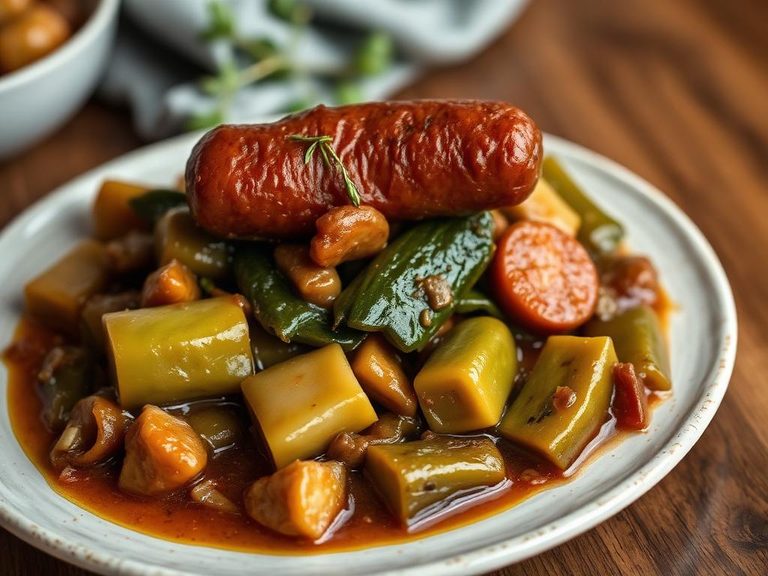
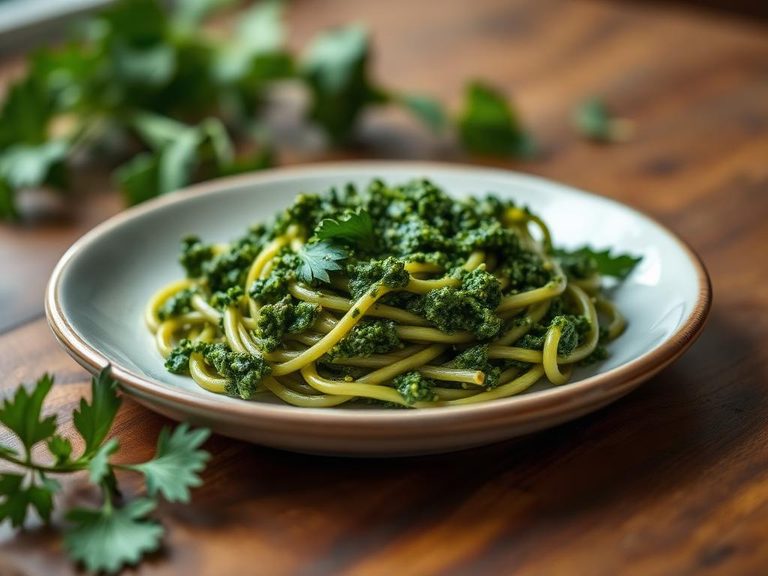
🍽️ Popular dishes
🌍 Where it's eaten
💡 Did you know?
Collard greens are one of the oldest members of the cabbage family, with evidence of their cultivation dating back to ancient Greece and Rome, and they were a key food source for enslaved people in the American South due to their hardiness and nutritional value.
Full nutrition (USDA data · scales with serving)
| Water | 90.2 g |
| Energy | 33.0 kcal |
| Energy | 137 kj |
| Protein | 2.7 g |
| Total lipid (fat) | 0.72 g |
| Ash | 0.73 g |
| Carbohydrate, by difference | 5.7 g |
| Fiber, total dietary | 4.0 g |
| Calcium, Ca | 141 mg |
| Iron, Fe | 1.1 mg |
| Magnesium, Mg | 21.0 mg |
| Phosphorus, P | 32.0 mg |
| Potassium, K | 117 mg |
| Sodium, Na | 252 mg |
| Zinc, Zn | 0.23 mg |
| Copper, Cu | 0.05 mg |
| Manganese, Mn | 0.51 mg |
| Selenium, Se | 0.50 ug |
| Vitamin C, total ascorbic acid | 18.2 mg |
| Thiamin | 0.04 mg |
| Riboflavin | 0.11 mg |
| Niacin | 0.57 mg |
| Pantothenic acid | 0.22 mg |
| Vitamin B-6 | 0.13 mg |
| Folate, total | 16.0 ug |
| Folic acid | 0.00 ug |
| Folate, food | 16.0 ug |
| Folate, DFE | 16.0 ug |
| Choline, total | 38.4 mg |
| Betaine | 0.20 mg |
| Vitamin B-12 | 0.00 ug |
| Vitamin B-12, added | 0.00 ug |
| Vitamin A, RAE | 380 ug |
| Retinol | 0.00 ug |
| Carotene, beta | 4513 ug |
| Carotene, alpha | 68.0 ug |
| Cryptoxanthin, beta | 26.0 ug |
| Vitamin A, IU | 7600 iu |
| Lycopene | 0.00 ug |
| Lutein + zeaxanthin | 6197 ug |
| Vitamin E (alpha-tocopherol) | 0.88 mg |
| Vitamin E, added | 0.00 mg |
| Vitamin D (D2 + D3), International Units | 0.00 iu |
| Vitamin D (D2 + D3) | 0.00 ug |
| Vitamin K (phylloquinone) | 407 ug |
| Alcohol, ethyl | 0.00 g |
| Caffeine | 0.00 mg |
| Theobromine | 0.00 mg |
Fat & fatty acid profile (per 100g)
| Fatty acids, total saturated | 0.05 g |
| SFA 4:0 | 0.00 g |
| SFA 6:0 | 0.00 g |
| SFA 8:0 | 0.00 g |
| SFA 10:0 | 0.00 g |
| SFA 12:0 | 0.00 g |
| SFA 14:0 | 0.00 g |
| SFA 16:0 | 0.04 g |
| SFA 18:0 | 0.00 g |
| Fatty acids, total monounsaturated | 0.03 g |
| MUFA 16:1 | 0.00 g |
| MUFA 18:1 | 0.03 g |
| MUFA 20:1 | 0.00 g |
| MUFA 22:1 | 0.00 g |
| Fatty acids, total polyunsaturated | 0.17 g |
| PUFA 18:2 | 0.07 g |
| PUFA 18:3 | 0.09 g |
| PUFA 18:4 | 0.00 g |
| PUFA 20:4 | 0.00 g |
| PUFA 20:5 n-3 (EPA) | 0.00 g |
| PUFA 22:5 n-3 (DPA) | 0.00 g |
| PUFA 22:6 n-3 (DHA) | 0.00 g |
| Fatty acids, total trans | 0.00 g |
| Cholesterol | 0.00 mg |
Amino acid profile (per 100g)
| Tryptophan | 0.03 g |
| Threonine | 0.07 g |
| Isoleucine | 0.09 g |
| Leucine | 0.13 g |
| Lysine | 0.10 g |
| Methionine | 0.03 g |
| Cystine | 0.02 g |
| Phenylalanine | 0.07 g |
| Tyrosine | 0.06 g |
| Valine | 0.10 g |
| Arginine | 0.11 g |
| Histidine | 0.04 g |
| Alanine | 0.09 g |
| Aspartic acid | 0.16 g |
| Glutamic acid | 0.18 g |
| Glycine | 0.08 g |
| Proline | 0.09 g |
| Serine | 0.07 g |
FAQ
How do I reduce the bitterness of cooked collards?
Cooking collards with a bit of fat (like bacon grease or olive oil), adding a splash of vinegar or lemon juice, or simmering them longer with a sweetener like a pinch of sugar can help mellow their natural bitterness.
Are collard greens high in sodium?
Plain boiled collards are low in sodium, but many recipes add salt or salty meats. To control sodium, cook them with herbs, spices, and a small amount of smoked meat instead of relying on added salt.
Can I eat collards raw?
While collards are typically cooked, young, tender leaves can be used raw in salads or smoothies. However, cooking helps break down tough fibers and makes nutrients like calcium and iron more accessible.
Nutrient density (calculated · NRF9.3)
Nutrient Rich Foods index: beneficial nutrients (protein, fiber, vitamins, minerals) minus saturated fat, added sugar & sodium, per 100 kcal.
NRF9.3 index — Fulgoni, Keast & Drewnowski, 2009. Computed from USDA nutrients.
Weight-loss friendliness (composite index)
Energy density 0.33 kcal/g · 33% calories from protein · 4.0 g fiber · 0.0 g sugar per 100 g.
Composite of energy density (Rolls et al., 1999), protein & fiber satiety, minus sugar. A calculated heuristic — ranks satiety-per-calorie, not a clinical measure.
Dietary load (calculated from USDA values)
Potential renal acid load. Positive = acid-forming, negative = alkaline-forming.
Sodium-to-potassium ratio: 2.15 (lower is better — aim for ≤ 1)
Sodium:potassium per WHO potassium guidance. Computed from USDA nutrients.