

Yogurt, fruit, low fat, 10 grams protein per 8 ounce
Whole food · Dairy and Egg Products
This is a smooth, creamy low-fat fruit yogurt, typically blended with berry or tropical fruit purees. Its texture is velvety and pourable, with a balanced sweet-tart flavor profile. A standout feature is its high protein content—10 grams per 8-ounce serving—making it a nutritionally dense snack.
Calorie split: 17% protein · 74% carbs · 9% fat
↓ Full nutrition💚 Why it's loved
People adore it for its perfect blend of creamy indulgence and fruity freshness, making it feel like a treat while being nutritious. It's incredibly versatile, enjoyed as a quick breakfast, a post-workout refuel, or a healthy dessert base.
⚠️ Watch-outs & how to enjoy it better
The significant sugar content (19g per 100g) can lead to rapid blood sugar spikes, especially for those with insulin sensitivity. To mitigate this, pair it with a handful of nuts or seeds to add fiber and healthy fats, which slow sugar absorption. Those with lactose intolerance should opt for lactose-free versions.
Key benefits
- Excellent source of high-quality protein for muscle maintenance.
- Provides calcium and vitamin D for bone health.
- Contains probiotics that support a healthy gut microbiome.
- Convenient, portable source of balanced energy.
- Often fortified with essential vitamins like B12.
🍽️ Popular dishes

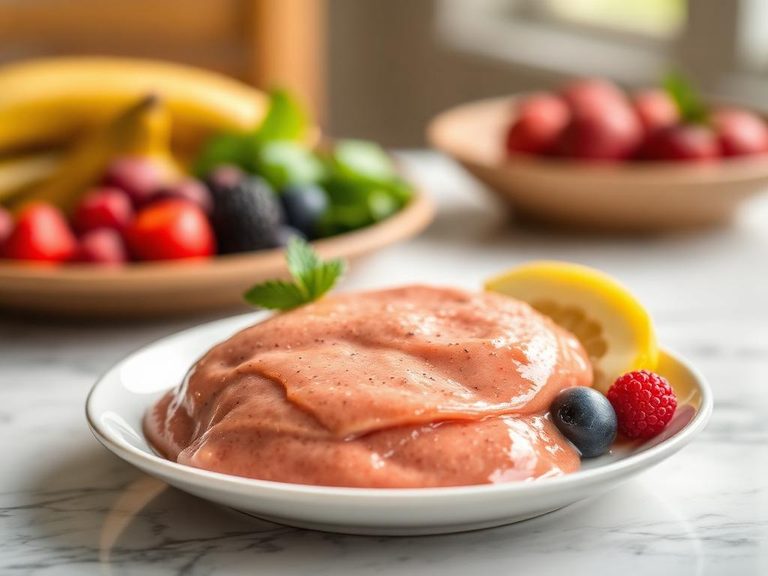
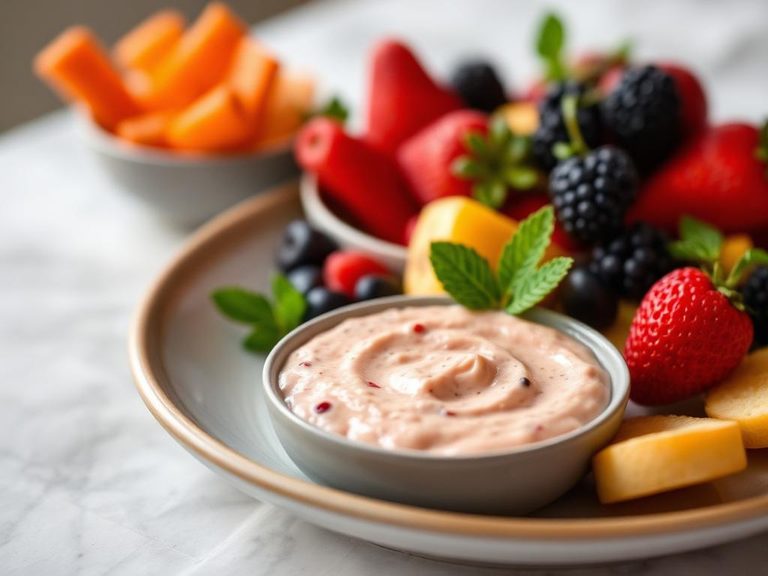
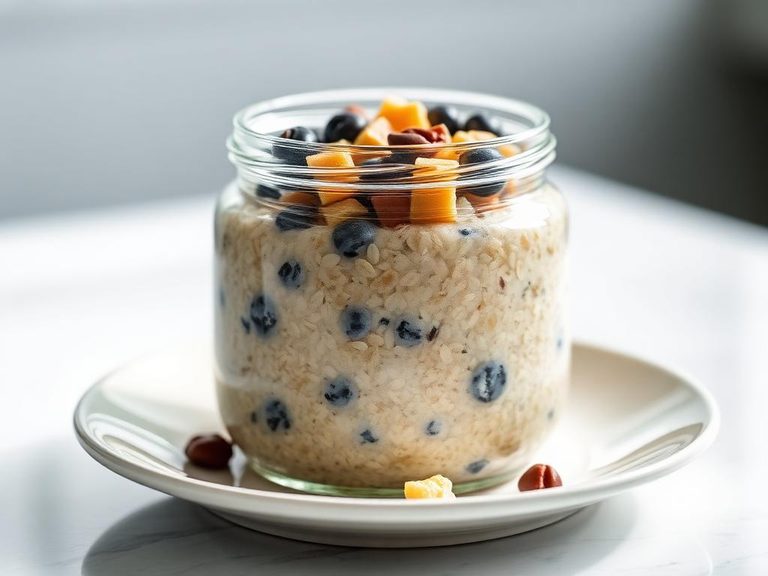
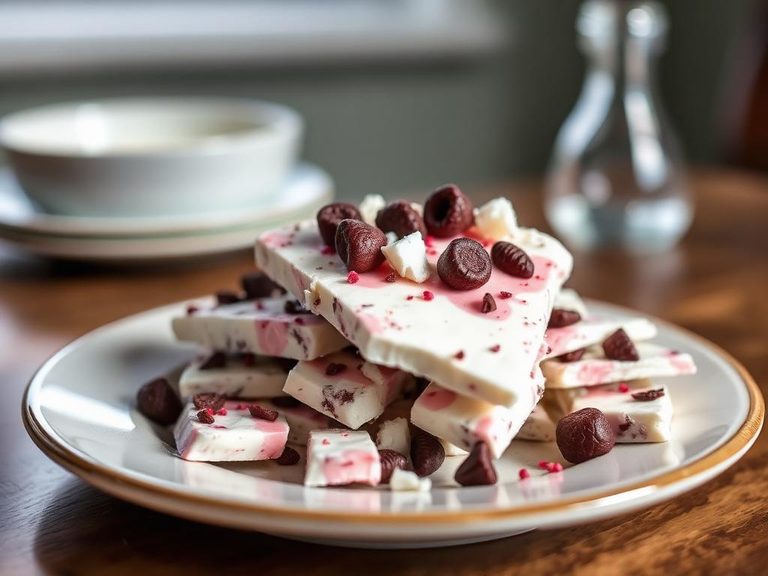
🌍 Where it's eaten
💡 Did you know?
The probiotics in yogurt are live, active cultures; historically, they were used as a natural preservative and to aid digestion long before their scientific benefits were understood.
Full nutrition (USDA data · scales with serving)
| Water | 74.5 g |
| Energy | 102 kcal |
| Energy | 426 kj |
| Protein | 4.4 g |
| Total lipid (fat) | 1.1 g |
| Ash | 1.0 g |
| Carbohydrate, by difference | 19.1 g |
| Fiber, total dietary | 0.00 g |
| Total Sugars | 19.1 g |
| Calcium, Ca | 152 mg |
| Iron, Fe | 0.07 mg |
| Magnesium, Mg | 15.0 mg |
| Phosphorus, P | 119 mg |
| Potassium, K | 195 mg |
| Sodium, Na | 58.0 mg |
| Zinc, Zn | 0.74 mg |
| Copper, Cu | 0.08 mg |
| Manganese, Mn | 0.07 mg |
| Selenium, Se | 3.1 ug |
| Fluoride, F | 9.0 ug |
| Vitamin C, total ascorbic acid | 0.70 mg |
| Thiamin | 0.04 mg |
| Riboflavin | 0.18 mg |
| Niacin | 0.10 mg |
| Pantothenic acid | 0.49 mg |
| Vitamin B-6 | 0.04 mg |
| Folate, total | 9.0 ug |
| Folic acid | 0.00 ug |
| Folate, food | 9.0 ug |
| Folate, DFE | 9.0 ug |
| Choline, total | 14.0 mg |
| Betaine | 0.80 mg |
| Vitamin B-12 | 0.47 ug |
| Vitamin B-12, added | 0.00 ug |
| Vitamin A, RAE | 10.0 ug |
| Retinol | 10.0 ug |
| Carotene, beta | 2.0 ug |
| Carotene, alpha | 0.00 ug |
| Cryptoxanthin, beta | 0.00 ug |
| Vitamin A, IU | 36.0 iu |
| Lycopene | 0.00 ug |
| Lutein + zeaxanthin | 0.00 ug |
| Vitamin E (alpha-tocopherol) | 0.02 mg |
| Vitamin E, added | 0.00 mg |
| Vitamin D (D2 + D3), International Units | 1.0 iu |
| Vitamin D (D2 + D3) | 0.00 ug |
| Vitamin D3 (cholecalciferol) | 0.00 ug |
| Vitamin K (phylloquinone) | 0.10 ug |
| Alcohol, ethyl | 0.00 g |
| Caffeine | 0.00 mg |
| Theobromine | 0.00 mg |
Fat & fatty acid profile (per 100g)
| Fatty acids, total saturated | 0.70 g |
| SFA 4:0 | 0.03 g |
| SFA 6:0 | 0.02 g |
| SFA 8:0 | 0.01 g |
| SFA 10:0 | 0.03 g |
| SFA 12:0 | 0.04 g |
| SFA 14:0 | 0.11 g |
| SFA 16:0 | 0.29 g |
| SFA 18:0 | 0.10 g |
| Fatty acids, total monounsaturated | 0.30 g |
| MUFA 16:1 | 0.02 g |
| MUFA 18:1 | 0.25 g |
| MUFA 20:1 | 0.00 g |
| MUFA 22:1 | 0.00 g |
| Fatty acids, total polyunsaturated | 0.03 g |
| PUFA 18:2 | 0.02 g |
| PUFA 18:3 | 0.01 g |
| PUFA 18:4 | 0.00 g |
| PUFA 20:4 | 0.00 g |
| PUFA 20:5 n-3 (EPA) | 0.00 g |
| PUFA 22:5 n-3 (DPA) | 0.00 g |
| PUFA 22:6 n-3 (DHA) | 0.00 g |
| Cholesterol | 4.0 mg |
Amino acid profile (per 100g)
| Tryptophan | 0.03 g |
| Threonine | 0.18 g |
| Isoleucine | 0.24 g |
| Leucine | 0.44 g |
| Lysine | 0.39 g |
| Methionine | 0.13 g |
| Cystine | 0.04 g |
| Phenylalanine | 0.24 g |
| Tyrosine | 0.22 g |
| Valine | 0.36 g |
| Arginine | 0.13 g |
| Histidine | 0.11 g |
| Alanine | 0.19 g |
| Aspartic acid | 0.35 g |
| Glutamic acid | 0.86 g |
| Glycine | 0.10 g |
| Proline | 0.52 g |
| Serine | 0.27 g |
FAQ
How does the protein in this yogurt compare to regular yogurt?
It is significantly higher. This specific variety provides 10g of protein per 8-ounce (227g) serving, which is roughly double the protein found in many standard, non-Greek-style fruit yogurts.
Is the sugar all added sugar?
No. The sugar comes from two sources: naturally occurring lactose (milk sugar) and added sugars from the fruit puree and sweeteners. The exact ratio depends on the brand and recipe.
Can I use this in baking?
Yes, it's a fantastic substitute for oil or butter in many muffin, cake, and pancake recipes, adding moisture, protein, and a slight tang while reducing fat content.
Nutrient density (calculated · NRF9.3)
Nutrient Rich Foods index: beneficial nutrients (protein, fiber, vitamins, minerals) minus saturated fat, added sugar & sodium, per 100 kcal.
NRF9.3 index — Fulgoni, Keast & Drewnowski, 2009. Computed from USDA nutrients.
Weight-loss friendliness (composite index)
Energy density 1.02 kcal/g · 17% calories from protein · 0.0 g fiber · 19.1 g sugar per 100 g.
Composite of energy density (Rolls et al., 1999), protein & fiber satiety, minus sugar. A calculated heuristic — ranks satiety-per-calorie, not a clinical measure.
Dietary load (calculated from USDA values)
Potential renal acid load. Positive = acid-forming, negative = alkaline-forming.
Sodium-to-potassium ratio: 0.30 (lower is better — aim for ≤ 1)
Sodium:potassium per WHO potassium guidance. Computed from USDA nutrients.