

Turkey, drumstick, smoked, cooked, with skin, bone removed
Whole food · Poultry Products

Photo: Wikipedia
This is a lean, smoky, and savory cut of turkey, prized for its deep flavor and tender, pull-apart texture. With nearly 28 grams of high-quality protein per 100g and virtually no carbohydrates, it's a powerhouse for muscle maintenance and satiety. The smoking process imparts a distinctive, rich aroma that elevates it beyond standard roasted poultry.
Calorie split: 56% protein · 0% carbs · 44% fat
↓ Full nutrition💚 Why it's loved
People love it for its deeply savory, smoky flavor that requires minimal seasoning and its incredibly versatile, tender texture that works hot or cold. It's a beloved staple for quick, high-protein meals, from classic sandwiches to hearty salads, and holds a special place in American barbecue and holiday traditions.
⚠️ Watch-outs & how to enjoy it better
The primary concern is the high sodium content from the curing and smoking process, which can be an issue for those monitoring blood pressure. To counteract this, rinse slices briefly under cool water, pair it with potassium-rich foods like leafy greens or sweet potatoes, and be mindful of portion sizes. The skin, while flavorful, adds saturated fat; simply removing it before eating reduces this.
Key benefits
- Excellent source of complete protein for muscle repair
- Very low in carbohydrates, suitable for low-carb diets
- Provides essential B vitamins like niacin and B6
- Contains minerals such as selenium and phosphorus
- Smoking can enhance flavor without added fats
🍽️ Popular dishes
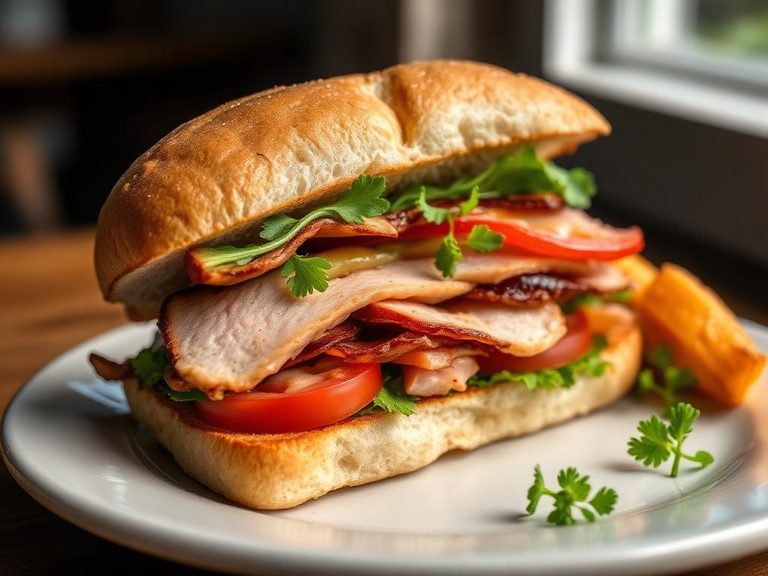
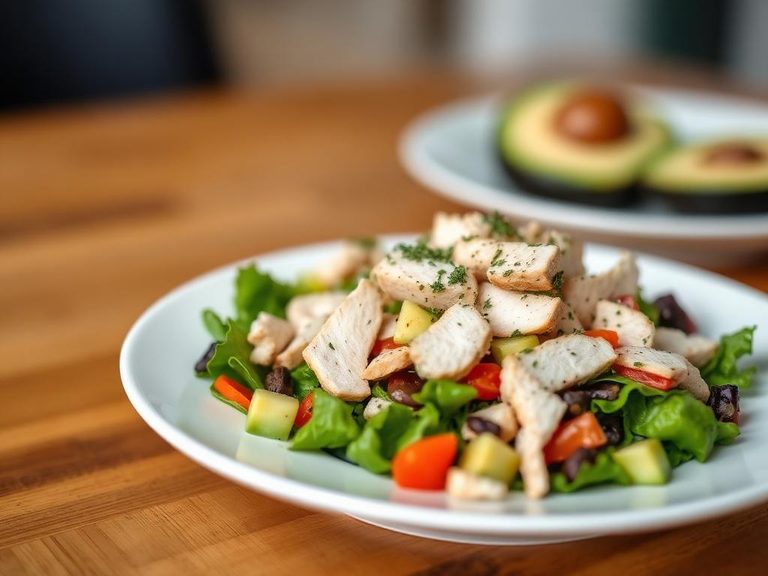
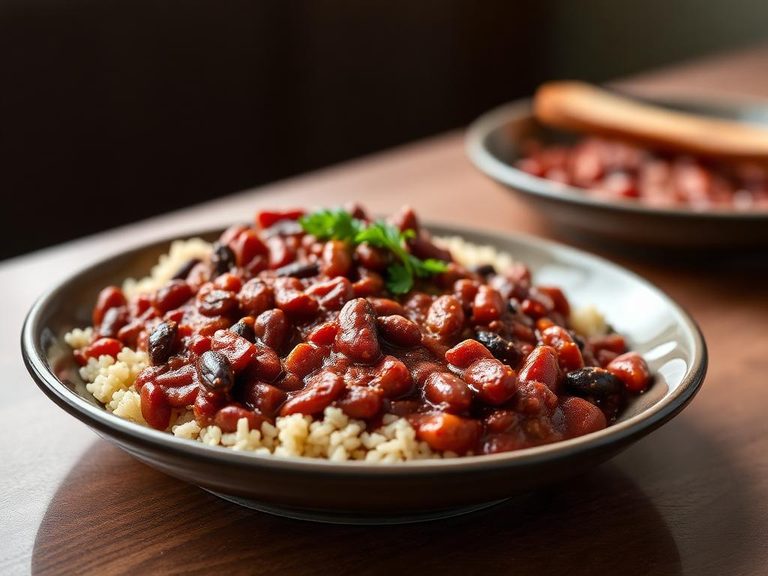
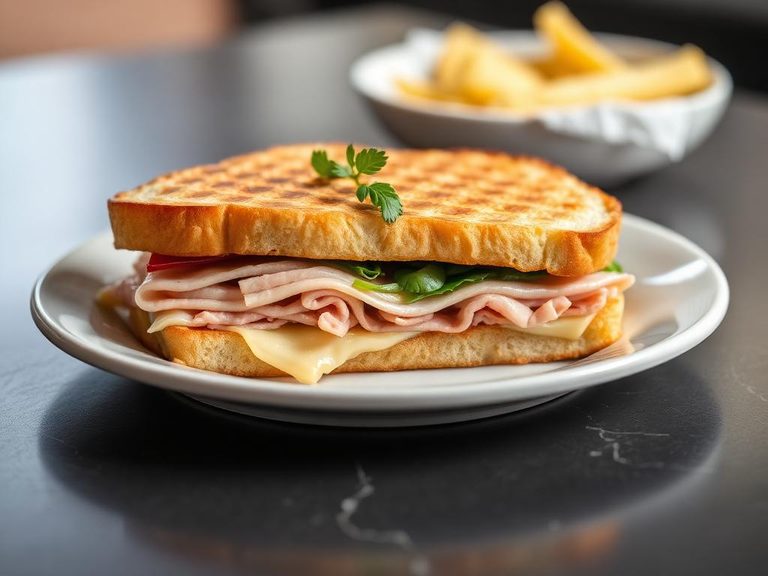
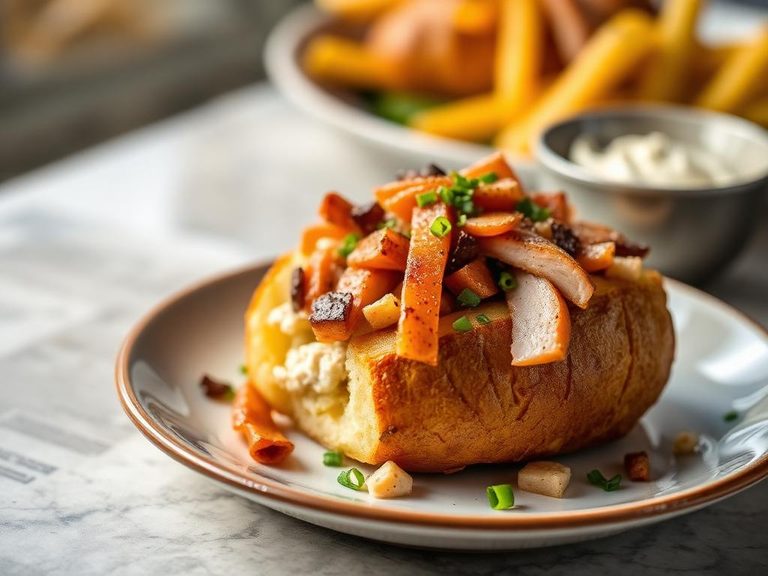
🌍 Where it's eaten
💡 Did you know?
The process of smoking turkey drumsticks often involves a 'cold smoke' phase followed by a 'hot smoke' to both infuse flavor and ensure the meat reaches a safe internal temperature, a technique perfected in the American South.
Full nutrition (USDA data · scales with serving)
| Water | 61.2 g |
| Energy | 200 kcal |
| Energy | 836 kj |
| Protein | 27.9 g |
| Total lipid (fat) | 9.8 g |
| Ash | 1.1 g |
| Carbohydrate, by difference | 0.00 g |
| Fiber, total dietary | 0.00 g |
| Total Sugars | 0.00 g |
| Calcium, Ca | 32.0 mg |
| Iron, Fe | 2.3 mg |
| Magnesium, Mg | 23.0 mg |
| Phosphorus, P | 199 mg |
| Potassium, K | 280 mg |
| Sodium, Na | 996 mg |
| Zinc, Zn | 4.3 mg |
| Copper, Cu | 0.15 mg |
| Selenium, Se | 38.3 ug |
| Vitamin C, total ascorbic acid | 0.00 mg |
| Thiamin | 0.06 mg |
| Riboflavin | 0.24 mg |
| Niacin | 3.6 mg |
| Vitamin B-6 | 0.33 mg |
| Folate, total | 9.0 ug |
| Folic acid | 0.00 ug |
| Folate, food | 9.0 ug |
| Folate, DFE | 9.0 ug |
| Choline, total | 70.9 mg |
| Betaine | 6.0 mg |
| Vitamin B-12 | 0.36 ug |
| Vitamin B-12, added | 0.00 ug |
| Vitamin A, RAE | 0.00 ug |
| Retinol | 0.00 ug |
| Carotene, beta | 0.00 ug |
| Carotene, alpha | 0.00 ug |
| Cryptoxanthin, beta | 0.00 ug |
| Vitamin A, IU | 0.00 iu |
| Lycopene | 0.00 ug |
| Lutein + zeaxanthin | 0.00 ug |
| Vitamin E (alpha-tocopherol) | 0.62 mg |
| Vitamin E, added | 0.00 mg |
| Vitamin D (D2 + D3), International Units | 5.0 iu |
| Vitamin D (D2 + D3) | 0.10 ug |
| Vitamin D3 (cholecalciferol) | 0.10 ug |
| Vitamin K (phylloquinone) | 0.00 ug |
| Vitamin K (Dihydrophylloquinone) | 0.00 ug |
| Alcohol, ethyl | 0.00 g |
| Caffeine | 0.00 mg |
| Theobromine | 0.00 mg |
Fat & fatty acid profile (per 100g)
| Fatty acids, total saturated | 3.1 g |
| SFA 4:0 | 0.00 g |
| SFA 6:0 | 0.00 g |
| SFA 8:0 | 0.00 g |
| SFA 10:0 | 0.00 g |
| SFA 12:0 | 0.01 g |
| SFA 14:0 | 0.07 g |
| SFA 16:0 | 1.8 g |
| SFA 18:0 | 0.82 g |
| Fatty acids, total monounsaturated | 2.9 g |
| MUFA 16:1 | 0.46 g |
| MUFA 18:1 | 2.3 g |
| MUFA 20:1 | 0.03 g |
| MUFA 22:1 | 0.02 g |
| Fatty acids, total polyunsaturated | 2.7 g |
| PUFA 18:2 | 2.3 g |
| PUFA 18:3 | 0.11 g |
| PUFA 18:4 | 0.00 g |
| PUFA 20:4 | 0.24 g |
| PUFA 20:5 n-3 (EPA) | 0.00 g |
| PUFA 22:5 n-3 (DPA) | 0.03 g |
| PUFA 22:6 n-3 (DHA) | 0.05 g |
| Cholesterol | 85.0 mg |
Amino acid profile (per 100g)
Estimated from Turkey, mechanically deboned, from turkey frames, raw — USDA does not publish this profile for Turkey.
| Tryptophan | 0.11 g |
| Threonine | 0.64 g |
| Isoleucine | 0.50 g |
| Leucine | 1.1 g |
| Lysine | 1.2 g |
| Methionine | 0.37 g |
| Cystine | 0.10 g |
| Phenylalanine | 0.55 g |
| Tyrosine | 0.47 g |
| Valine | 0.54 g |
| Arginine | 0.87 g |
| Histidine | 0.50 g |
| Alanine | 0.87 g |
| Aspartic acid | 1.4 g |
| Glutamic acid | 2.2 g |
| Glycine | 0.78 g |
| Proline | 0.65 g |
| Serine | 0.62 g |
FAQ
How is this different from regular roasted turkey?
The key difference is the smoking process, where the meat is exposed to wood smoke at low temperatures for hours. This imparts a distinct, deep, savory flavor and often a pinkish hue to the meat that roasting does not achieve.
Is the skin edible? How does it affect nutrition?
Yes, the skin is edible and adds significant flavor and fat. Removing it cuts down on saturated fat and calories, making the meat leaner. The nutritional data provided is for the meat with skin included.
What's the best way to reheat it without drying it out?
For best results, reheat slices gently in a covered skillet with a splash of broth or water over medium-low heat. Alternatively, microwave with a damp paper towel over the meat in short intervals to retain moisture.
Nutrient density (calculated · NRF9.3)
Nutrient Rich Foods index: beneficial nutrients (protein, fiber, vitamins, minerals) minus saturated fat, added sugar & sodium, per 100 kcal.
NRF9.3 index — Fulgoni, Keast & Drewnowski, 2009. Computed from USDA nutrients.
Weight-loss friendliness (composite index)
Energy density 2.00 kcal/g · 56% calories from protein · 0.0 g fiber · 0.0 g sugar per 100 g.
Composite of energy density (Rolls et al., 1999), protein & fiber satiety, minus sugar. A calculated heuristic — ranks satiety-per-calorie, not a clinical measure.
Dietary load (calculated from USDA values)
Potential renal acid load. Positive = acid-forming, negative = alkaline-forming.
Sodium-to-potassium ratio: 3.56 (lower is better — aim for ≤ 1)
Sodium:potassium per WHO potassium guidance. Computed from USDA nutrients.