

Sweetener, syrup, agave
Whole food · Sweets

Photo: Wikipedia
Agave syrup, often called agave nectar, is a sweetener derived from the sap of the agave plant, primarily the Blue Agave native to Mexico. It has a smooth, viscous texture and a flavor that ranges from mild and neutral to a distinct caramel-like taste, depending on the processing method. Nutritionally, it is extremely high in sugar, with nearly 68 grams per 100g, and provides almost no protein, fat, or fiber.
Calorie split: 0% protein · 99% carbs · 1% fat
↓ Full nutrition💚 Why it's loved
People love agave syrup for its clean, sweet flavor that doesn't overpower other ingredients and its incredible versatility in both sweet and savory applications, from sweetening coffee to glazing vegetables. It's also a staple in traditional Mexican cuisine and a popular choice in vegan cooking.
⚠️ Watch-outs & how to enjoy it better
Its high fructose content (up to 85%) can be metabolized primarily by the liver, and overconsumption may contribute to metabolic issues and blood-sugar spikes despite its lower glycemic index. To counteract this, practice strict portion control (a teaspoon or two per serving) and pair it with protein, healthy fats, or fiber-rich foods to slow overall sugar absorption.
Key benefits
- High sweetness intensity allows for smaller quantities
- Dissolves easily in cold beverages
- Has a lower glycemic index than table sugar
- Vegan alternative to honey
- Adds moisture to baked goods
🍽️ Popular dishes

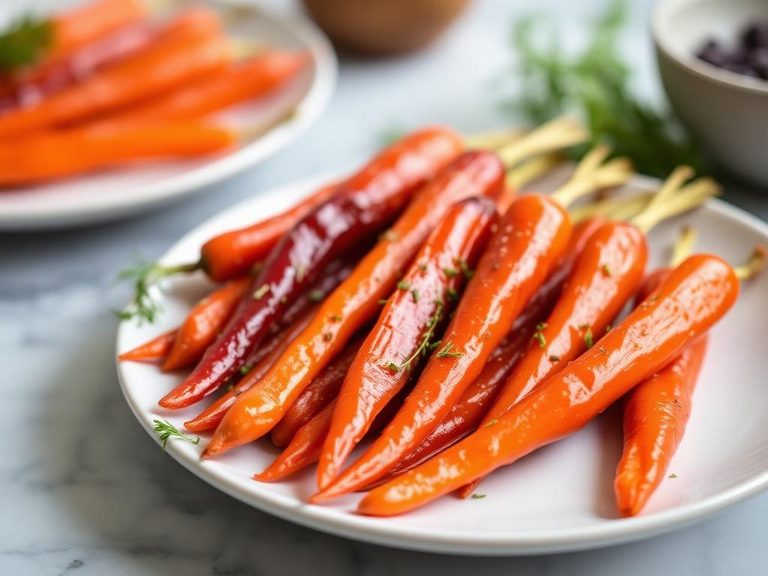
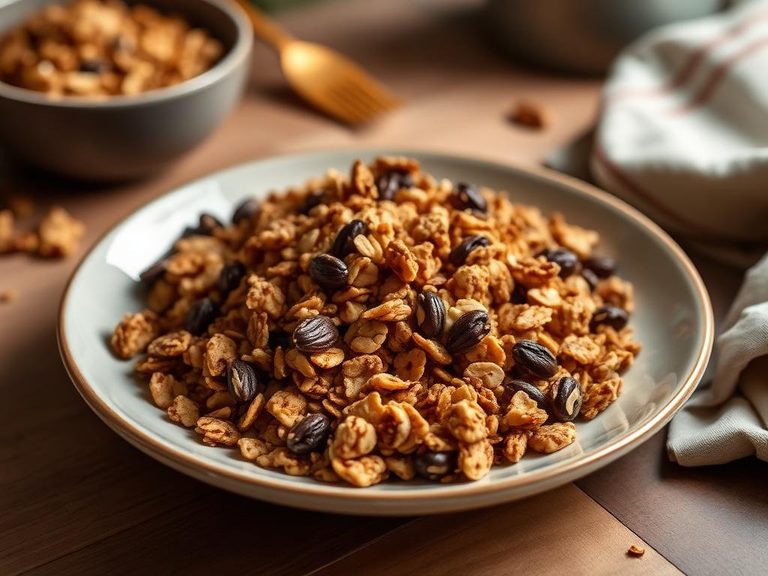
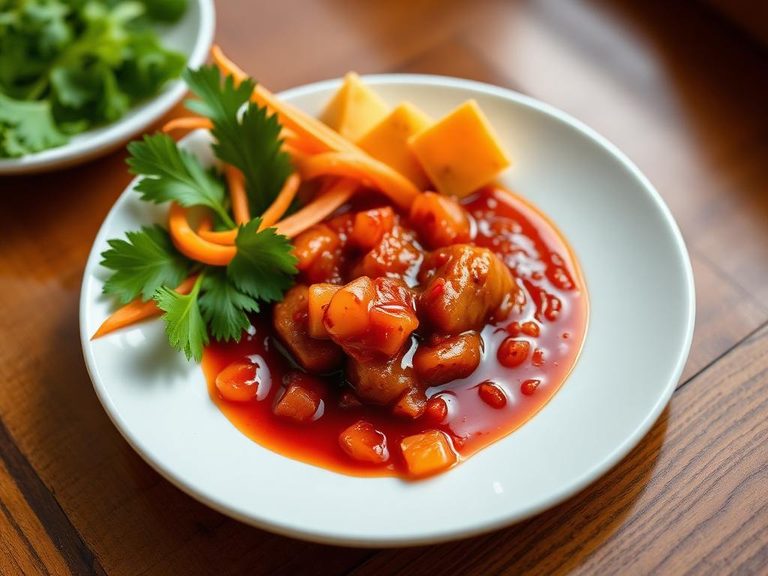
🌍 Where it's eaten
💡 Did you know?
The same agave plant that produces this sweetener is also the source of tequila; the difference lies in which part of the plant is used and the fermentation process.
Full nutrition (USDA data · scales with serving)
| Water | 22.9 g |
| Energy | 310 kcal |
| Energy | 1297 kj |
| Protein | 0.09 g |
| Total lipid (fat) | 0.45 g |
| Ash | 0.14 g |
| Carbohydrate, by difference | 76.4 g |
| Fiber, total dietary | 0.20 g |
| Total Sugars | 68.0 g |
| Sucrose | 0.00 g |
| Glucose | 12.4 g |
| Fructose | 55.6 g |
| Lactose | 0.00 g |
| Maltose | 0.00 g |
| Galactose | 0.00 g |
| Calcium, Ca | 1.0 mg |
| Iron, Fe | 0.09 mg |
| Magnesium, Mg | 1.0 mg |
| Phosphorus, P | 1.0 mg |
| Potassium, K | 4.0 mg |
| Sodium, Na | 4.0 mg |
| Zinc, Zn | 0.01 mg |
| Copper, Cu | 0.01 mg |
| Manganese, Mn | 0.01 mg |
| Selenium, Se | 1.7 ug |
| Vitamin C, total ascorbic acid | 17.0 mg |
| Thiamin | 0.12 mg |
| Riboflavin | 0.17 mg |
| Niacin | 0.69 mg |
| Vitamin B-6 | 0.23 mg |
| Folate, total | 30.0 ug |
| Folic acid | 0.00 ug |
| Folate, food | 30.0 ug |
| Folate, DFE | 30.0 ug |
| Choline, total | 13.3 mg |
| Vitamin B-12 | 0.00 ug |
| Vitamin B-12, added | 0.00 ug |
| Vitamin A, RAE | 8.0 ug |
| Retinol | 0.00 ug |
| Carotene, beta | 94.0 ug |
| Carotene, alpha | 0.00 ug |
| Cryptoxanthin, beta | 0.00 ug |
| Vitamin A, IU | 156 iu |
| Lycopene | 0.00 ug |
| Lutein + zeaxanthin | 0.00 ug |
| Vitamin E (alpha-tocopherol) | 0.98 mg |
| Vitamin E, added | 0.00 mg |
| Vitamin D (D2 + D3), International Units | 0.00 iu |
| Vitamin D (D2 + D3) | 0.00 ug |
| Vitamin K (phylloquinone) | 22.5 ug |
| Alcohol, ethyl | 0.00 g |
| Caffeine | 0.00 mg |
| Theobromine | 0.00 mg |
Fat & fatty acid profile (per 100g)
| Fatty acids, total saturated | 0.00 g |
| SFA 4:0 | 0.00 g |
| SFA 6:0 | 0.00 g |
| SFA 8:0 | 0.00 g |
| SFA 10:0 | 0.00 g |
| SFA 12:0 | 0.00 g |
| SFA 14:0 | 0.00 g |
| SFA 16:0 | 0.00 g |
| SFA 18:0 | 0.00 g |
| Fatty acids, total monounsaturated | 0.00 g |
| MUFA 16:1 | 0.00 g |
| MUFA 18:1 | 0.00 g |
| MUFA 20:1 | 0.00 g |
| MUFA 22:1 | 0.00 g |
| Fatty acids, total polyunsaturated | 0.00 g |
| PUFA 18:2 | 0.00 g |
| PUFA 18:3 | 0.00 g |
| PUFA 18:4 | 0.00 g |
| PUFA 20:4 | 0.00 g |
| PUFA 20:5 n-3 (EPA) | 0.00 g |
| PUFA 22:5 n-3 (DPA) | 0.00 g |
| PUFA 22:6 n-3 (DHA) | 0.00 g |
| Cholesterol | 0.00 mg |
Amino acid profile (per 100g)
Estimated from Sweeteners, tabletop, aspartame, EQUAL, packets — USDA does not publish this profile for Sweetener.
| Tryptophan | 0.00 g |
| Threonine | 0.00 g |
| Isoleucine | 0.00 g |
| Leucine | 0.00 g |
| Lysine | 0.00 g |
| Methionine | 0.00 g |
| Cystine | 0.00 g |
| Phenylalanine | 1.2 g |
| Tyrosine | 0.00 g |
| Valine | 0.00 g |
| Arginine | 0.00 g |
| Histidine | 0.00 g |
| Alanine | 0.00 g |
| Aspartic acid | 0.98 g |
| Glutamic acid | 0.00 g |
| Glycine | 0.00 g |
| Proline | 0.00 g |
| Serine | 0.00 g |
FAQ
Is agave syrup healthier than sugar?
While it has a lower glycemic index, agave is very high in fructose, which can be harder on the liver. It should be used in moderation, just like any added sweetener.
Can I use agave syrup in baking?
Yes, but it's sweeter than sugar and adds liquid. You'll need to reduce other liquids in the recipe and lower the oven temperature slightly to prevent over-browning.
What is the difference between light and dark agave syrup?
Light agave has a neutral flavor, ideal for sweetening without altering taste. Dark agave is filtered less, retaining a stronger, caramel-like flavor that works well in recipes where you want that note.
Nutrient density (calculated · NRF9.3)
Nutrient Rich Foods index: beneficial nutrients (protein, fiber, vitamins, minerals) minus saturated fat, added sugar & sodium, per 100 kcal.
NRF9.3 index — Fulgoni, Keast & Drewnowski, 2009. Computed from USDA nutrients.
Weight-loss friendliness (composite index)
Energy density 3.10 kcal/g · 0% calories from protein · 0.2 g fiber · 68.0 g sugar per 100 g.
Composite of energy density (Rolls et al., 1999), protein & fiber satiety, minus sugar. A calculated heuristic — ranks satiety-per-calorie, not a clinical measure.
Dietary load (calculated from USDA values)
Potential renal acid load. Positive = acid-forming, negative = alkaline-forming.
Sodium-to-potassium ratio: 1.00 (lower is better — aim for ≤ 1)
Sodium:potassium per WHO potassium guidance. Computed from USDA nutrients.