

Sorghum grain, white, pearled, unenriched, dry, raw
Whole food · Cereal Grains and Pasta
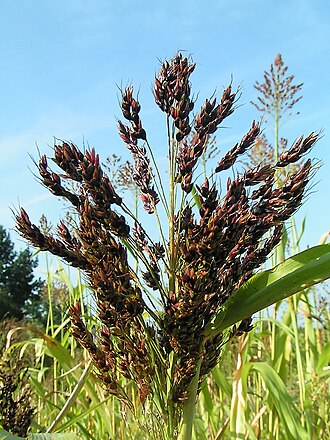
Photo: Wikipedia
Pearled white sorghum is a small, round, ivory-colored whole grain with a mild, slightly sweet, and nutty flavor. When cooked, it develops a pleasantly chewy texture similar to wheat berries or brown rice, making it a satisfying base for salads, pilafs, and porridges. Nutritionally, it's a standout for being a gluten-free, high-carbohydrate energy source that also provides a solid dose of plant-based protein and dietary fiber.
Calorie split: 11% protein · 81% carbs · 8% fat
↓ Full nutrition💚 Why it's loved
People love sorghum for its mild, versatile flavor that acts as a perfect canvas for savory or sweet dishes, and its satisfyingly hearty, chewy texture. It's also celebrated as a staple grain in many cultures, connecting people to centuries of culinary tradition from Africa to the American Great Plains.
⚠️ Watch-outs & how to enjoy it better
Its dense, chewy texture can be off-putting if undercooked, and its mild taste may seem bland without proper seasoning. As a high-carbohydrate grain, it can cause blood-sugar spikes if consumed in large portions by individuals managing diabetes. To counteract this, pair it with protein (like beans or meat) and healthy fats (like avocado or olive oil), and practice portion control. Always cook it thoroughly in ample water until tender to improve digestibility.
Key benefits
- Naturally gluten-free, making it safe for those with celiac disease or gluten sensitivity.
- High in dietary fiber, which supports digestive health and promotes a feeling of fullness.
- A good source of plant-based protein, essential for muscle maintenance and repair.
- Rich in antioxidants, particularly phenolic compounds, which help combat oxidative stress.
- Requires less water to grow than many other cereals, making it a climate-resilient crop.
🍽️ Popular dishes
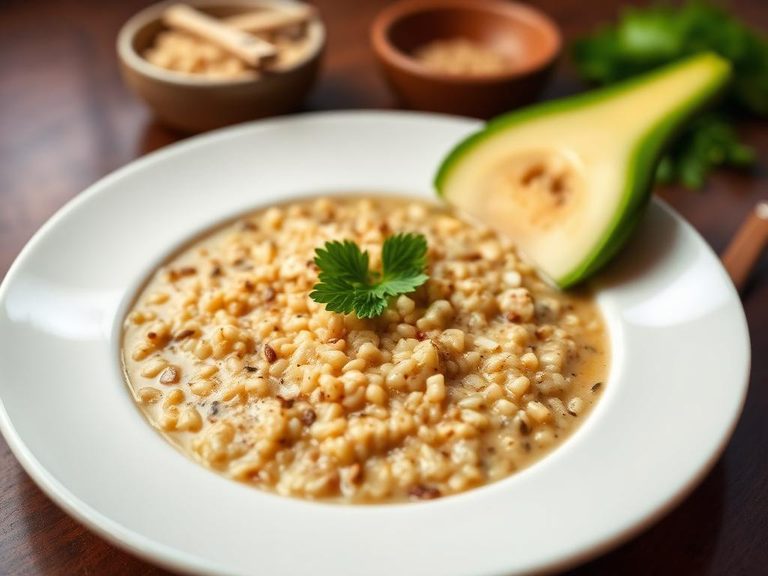 Sorghum Porridge (a warm breakfast staple in many African countries)
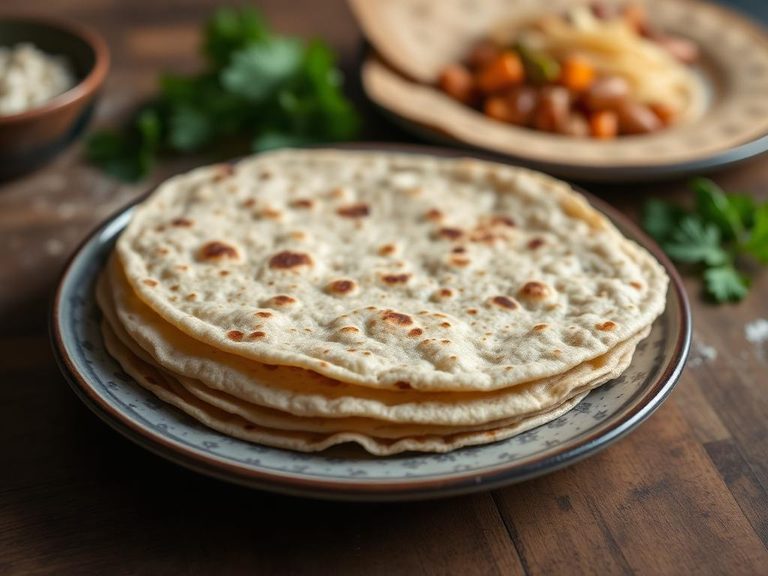 Jowar Roti (a traditional unleavened flatbread from India)
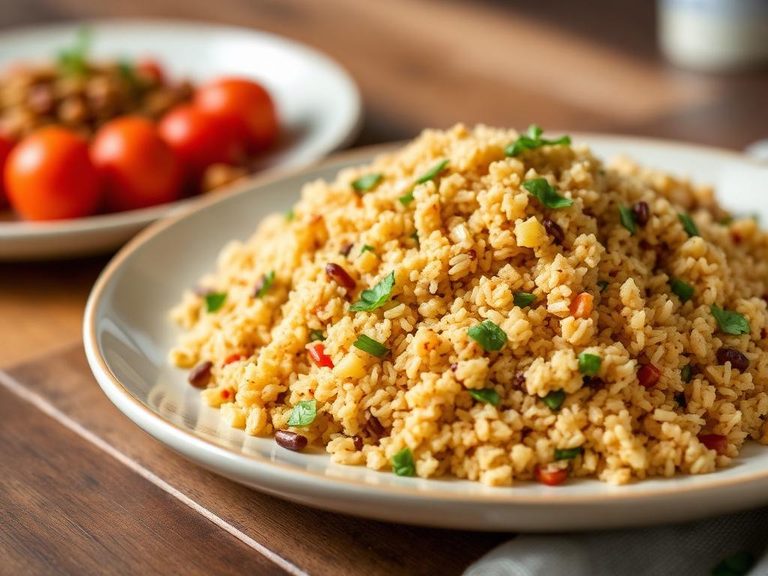 Sorghum Pilaf (a savory side dish cooked with broth and vegetables)
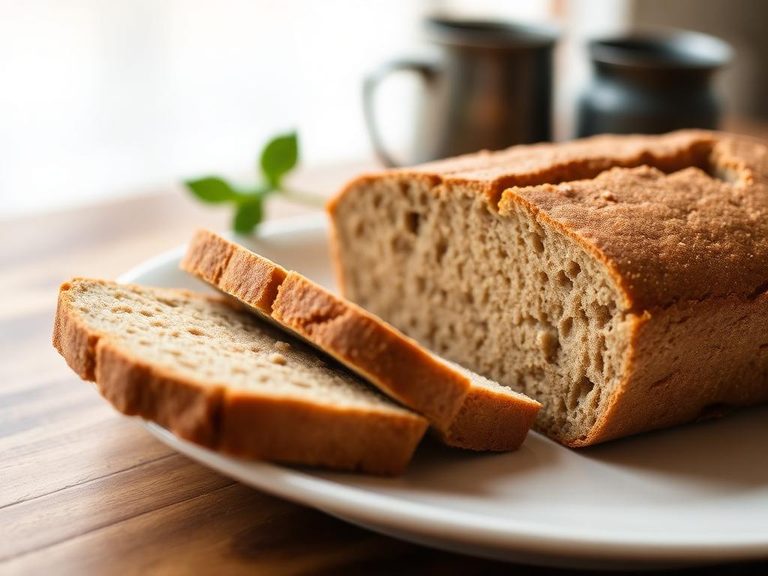 Gluten-Free Sorghum Flour Bread
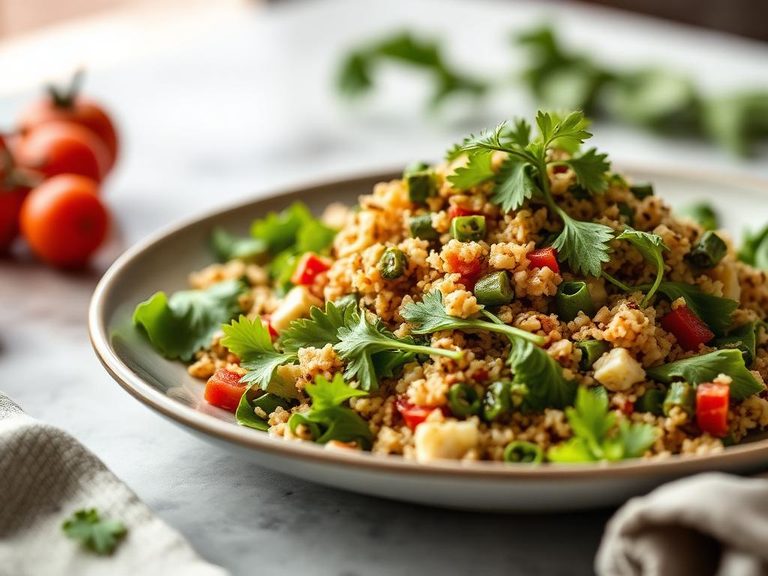 Sorghum Salad (a cold, grain-based salad with herbs and vinaigrette)
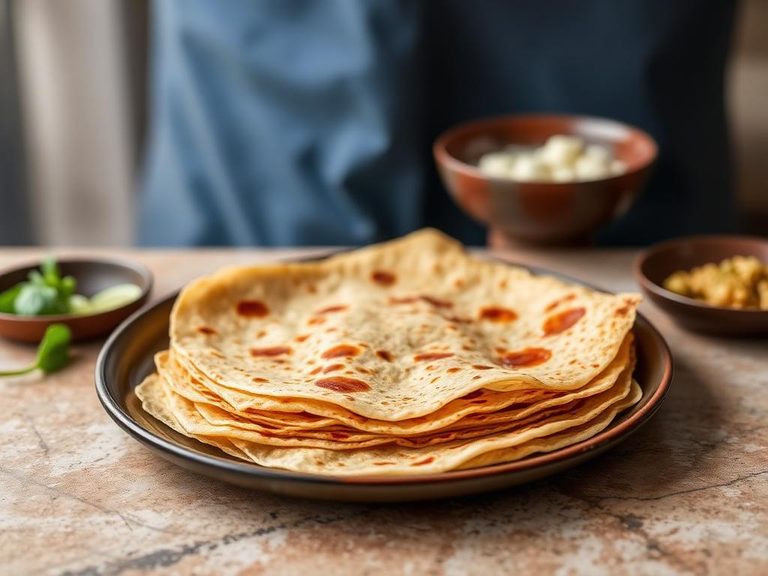 Dosa (a South Indian crepe, sometimes made with sorghum flour)
🌍 Where it's eaten
💡 Did you know?
Sorghum is the fifth most important cereal crop in the world and is the primary ingredient in many traditional African alcoholic beverages, including the mildly sour, fermented drink known as 'dolo' in West Africa.
Full nutrition (USDA data · scales with serving)
| Water | 10.4 g |
| Energy (Atwater General Factors) | 370 kcal |
| Energy (Atwater Specific Factors) | 338 kcal |
| Nitrogen | 1.6 g |
| Protein | 10.3 g |
| Total lipid (fat) | 3.3 g |
| Ash | 1.2 g |
| Carbohydrate, by difference | 74.9 g |
| Fiber, total dietary | 3.9 g |
| Starch | 70.7 g |
| Calcium, Ca | 7.5 mg |
| Iron, Fe | 2.0 mg |
| Magnesium, Mg | 109 mg |
| Phosphorus, P | 243 mg |
| Potassium, K | 274 mg |
| Sodium, Na | 0.00 mg |
| Zinc, Zn | 1.3 mg |
| Copper, Cu | 0.21 mg |
| Manganese, Mn | 1.2 mg |
| Thiamin | 0.42 mg |
| Niacin | 2.6 mg |
| Vitamin B-6 | 0.14 mg |
| Biotin | 9.0 ug |
Fat & fatty acid profile (per 100g)
Estimated from Sorghum flour, whole-grain — USDA does not publish this profile for Sorghum grain.
| Fatty acids, total saturated | 0.53 g |
| SFA 4:0 | 0.01 g |
| SFA 6:0 | 0.00 g |
| SFA 8:0 | 0.00 g |
| SFA 10:0 | 0.01 g |
| SFA 12:0 | 0.00 g |
| SFA 14:0 | 0.00 g |
| SFA 15:0 | 0.00 g |
| SFA 16:0 | 0.45 g |
| SFA 17:0 | 0.00 g |
| SFA 18:0 | 0.04 g |
| SFA 20:0 | 0.01 g |
| SFA 22:0 | 0.00 g |
| SFA 24:0 | 0.01 g |
| Fatty acids, total monounsaturated | 0.94 g |
| MUFA 14:1 | 0.00 g |
| MUFA 15:1 | 0.00 g |
| MUFA 16:1 | 0.01 g |
| MUFA 16:1 c | 0.01 g |
| MUFA 17:1 | 0.00 g |
| MUFA 18:1 | 0.92 g |
| MUFA 18:1 c | 0.92 g |
| MUFA 20:1 | 0.01 g |
| MUFA 22:1 | 0.00 g |
| MUFA 22:1 c | 0.00 g |
| MUFA 24:1 c | 0.00 g |
| Fatty acids, total polyunsaturated | 1.4 g |
| PUFA 18:2 | 1.3 g |
| PUFA 18:2 n-6 c,c | 1.3 g |
| PUFA 18:2 CLAs | 0.00 g |
| PUFA 18:3 | 0.06 g |
| PUFA 18:3 n-3 c,c,c (ALA) | 0.06 g |
| PUFA 18:3 n-6 c,c,c | 0.00 g |
| PUFA 18:4 | 0.00 g |
| PUFA 20:2 n-6 c,c | 0.00 g |
| PUFA 20:3 | 0.00 g |
| PUFA 20:3 n-3 | 0.00 g |
| PUFA 20:3 n-6 | 0.00 g |
| PUFA 20:4 | 0.00 g |
| PUFA 20:5 n-3 (EPA) | 0.00 g |
| PUFA 22:4 | 0.00 g |
| PUFA 22:5 n-3 (DPA) | 0.00 g |
| PUFA 22:6 n-3 (DHA) | 0.00 g |
| Fatty acids, total trans | 0.00 g |
| Fatty acids, total trans-monoenoic | 0.00 g |
| TFA 16:1 t | 0.00 g |
| TFA 18:1 t | 0.00 g |
| TFA 22:1 t | 0.00 g |
| TFA 18:2 t not further defined | 0.00 g |
| Fatty acids, total trans-polyenoic | 0.00 g |
Amino acid profile (per 100g)
Estimated from Sorghum flour, whole-grain — USDA does not publish this profile for Sorghum grain.
| Tryptophan | 0.11 g |
| Threonine | 0.31 g |
| Isoleucine | 0.31 g |
| Leucine | 1.1 g |
| Lysine | 0.17 g |
| Methionine | 0.14 g |
| Cystine | 0.17 g |
| Phenylalanine | 0.44 g |
| Tyrosine | 0.23 g |
| Valine | 0.39 g |
| Arginine | 0.33 g |
| Histidine | 0.17 g |
| Alanine | 0.76 g |
| Aspartic acid | 0.56 g |
| Glutamic acid | 1.7 g |
| Glycine | 0.31 g |
| Proline | 0.65 g |
| Serine | 0.41 g |
FAQ
What is the difference between pearled and whole sorghum?
Pearled sorghum has had the outer husk and bran layers removed, resulting in a milder flavor, lighter color, and faster cooking time. Whole sorghum retains all its layers, offering more fiber and nutrients but requiring a longer soak and cook time.
How do I cook pearled sorghum grain?
Rinse the grain, then combine 1 cup of sorghum with 3 cups of water or broth in a pot. Bring to a boil, reduce to a simmer, cover, and cook for 40-50 minutes, or until tender and the liquid is absorbed. Drain any excess water.
Is sorghum flour the same as the whole grain?
No. Sorghum flour is made by milling the whole sorghum grain into a fine powder, used for baking. The whole grain is the intact seed, used for cooking like rice or quinoa.
Nutrient density (calculated · NRF9.3)
Nutrient Rich Foods index: beneficial nutrients (protein, fiber, vitamins, minerals) minus saturated fat, added sugar & sodium, per 100 kcal.
NRF9.3 index — Fulgoni, Keast & Drewnowski, 2009. Computed from USDA nutrients.
Weight-loss friendliness (composite index)
Energy density 3.70 kcal/g · 11% calories from protein · 3.9 g fiber · 0.0 g sugar per 100 g.
Composite of energy density (Rolls et al., 1999), protein & fiber satiety, minus sugar. A calculated heuristic — ranks satiety-per-calorie, not a clinical measure.
Dietary load (calculated from USDA values)
Potential renal acid load. Positive = acid-forming, negative = alkaline-forming.
Sodium-to-potassium ratio: 0.00 (lower is better — aim for ≤ 1)
Sodium:potassium per WHO potassium guidance. Computed from USDA nutrients.