

Seaweed, irishmoss, raw
Whole food · Vegetables and Vegetable Products

Photo: Wikipedia
Irish moss, a species of red algae, is a sea vegetable with a neutral, slightly oceanic taste and a unique gelatinous texture when hydrated. Nutritionally, it's a low-calorie source of carbohydrates and a notable plant-based thickener, prized for its natural carrageenan content.
Calorie split: 11% protein · 87% carbs · 3% fat
↓ Full nutrition💚 Why it's loved
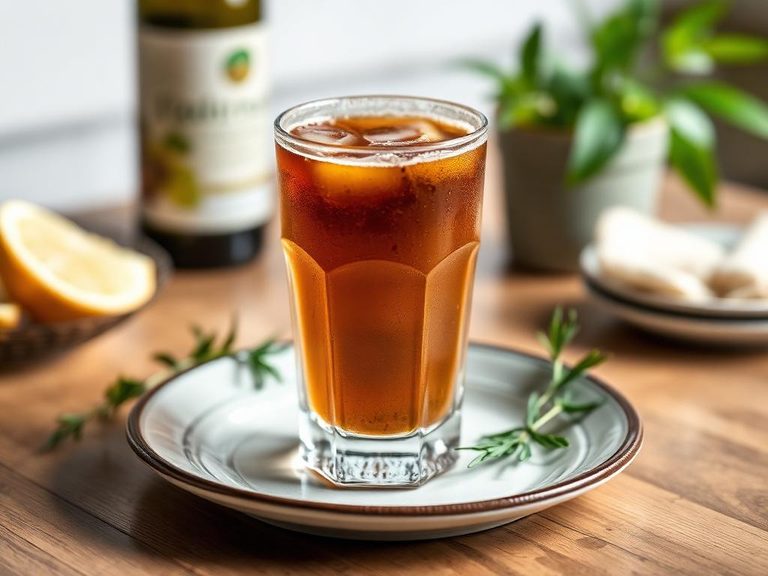
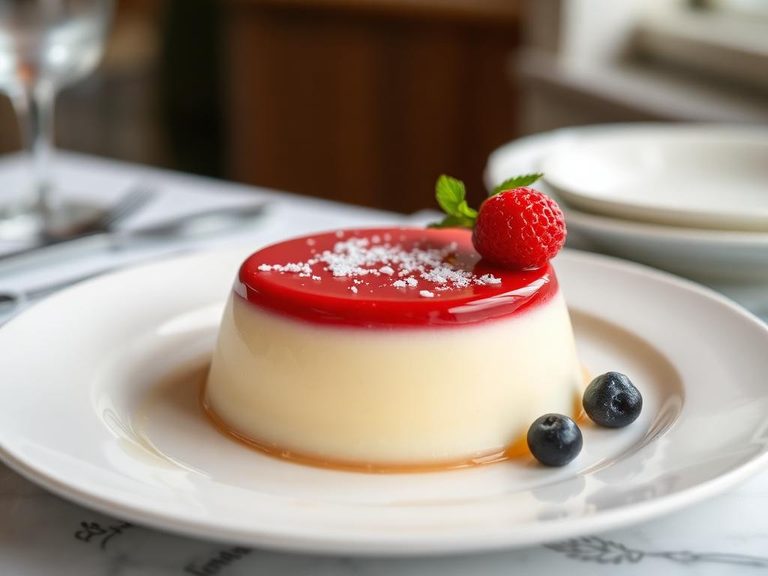
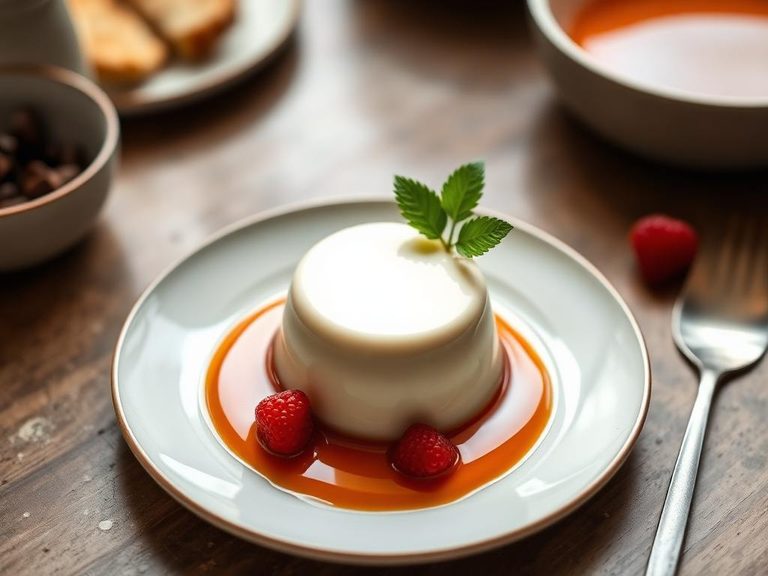
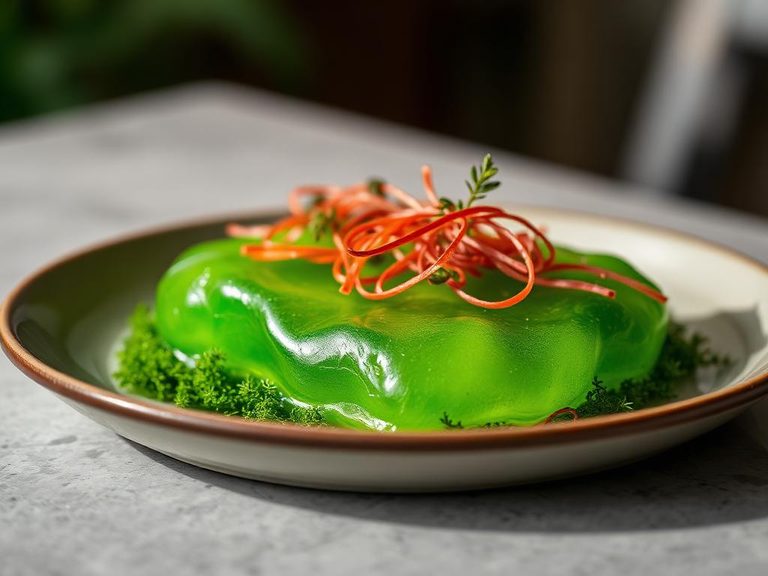
People love Irish moss for its remarkable ability to create smooth, creamy textures in both sweet and savory dishes without altering flavor, making it a staple in vegan cooking and traditional Caribbean desserts.
⚠️ Watch-outs & how to enjoy it better
Its primary use is as a thickener, not a main ingredient, so consuming large quantities for nutrition is uncommon. Those with iodine sensitivity or thyroid conditions should consult a doctor, as seaweeds can contain varying iodine levels. To mitigate, use it in small, recipe-appropriate amounts as a gelling agent rather than a bulk food.
Key benefits
- Natural source of carrageenan, a plant-based gelling agent
- Very low in calories and fat
- Provides dietary fiber
- Contains trace minerals from the sea
- Vegan alternative to animal-based gelatin
🍽️ Popular dishes
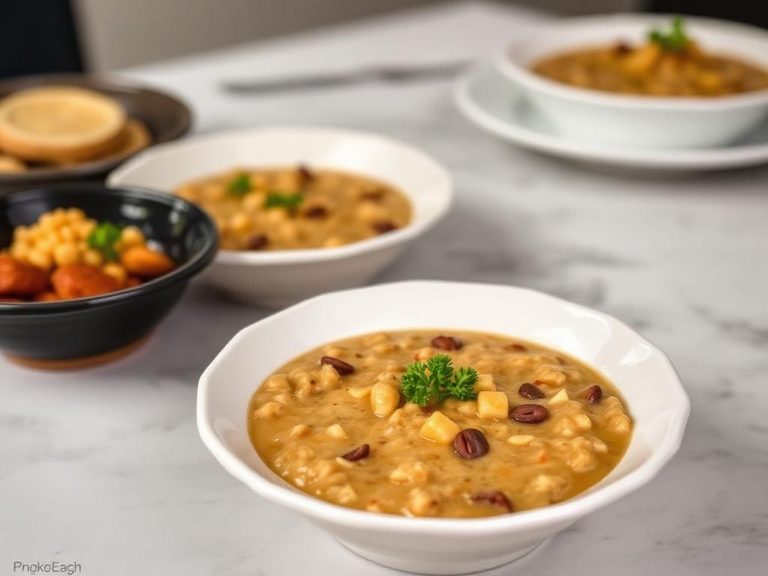
🌍 Where it's eaten
💡 Did you know?
Irish moss was famously used as a food source during the Irish Potato Famine in the 1840s, giving it its common name.
Full nutrition (USDA data · scales with serving)
| Water | 81.3 g |
| Energy | 49.0 kcal |
| Energy | 205 kj |
| Protein | 1.5 g |
| Total lipid (fat) | 0.16 g |
| Ash | 4.7 g |
| Carbohydrate, by difference | 12.3 g |
| Fiber, total dietary | 1.3 g |
| Total Sugars | 0.61 g |
| Calcium, Ca | 72.0 mg |
| Iron, Fe | 8.9 mg |
| Magnesium, Mg | 144 mg |
| Phosphorus, P | 157 mg |
| Potassium, K | 63.0 mg |
| Sodium, Na | 67.0 mg |
| Zinc, Zn | 1.9 mg |
| Copper, Cu | 0.15 mg |
| Manganese, Mn | 0.37 mg |
| Selenium, Se | 0.70 ug |
| Vitamin C, total ascorbic acid | 3.0 mg |
| Thiamin | 0.01 mg |
| Riboflavin | 0.47 mg |
| Niacin | 0.59 mg |
| Pantothenic acid | 0.18 mg |
| Vitamin B-6 | 0.07 mg |
| Folate, total | 182 ug |
| Folic acid | 0.00 ug |
| Folate, food | 182 ug |
| Folate, DFE | 182 ug |
| Choline, total | 12.9 mg |
| Vitamin B-12 | 0.00 ug |
| Vitamin B-12, added | 0.00 ug |
| Vitamin A, RAE | 6.0 ug |
| Retinol | 0.00 ug |
| Carotene, beta | 71.0 ug |
| Carotene, alpha | 0.00 ug |
| Cryptoxanthin, beta | 0.00 ug |
| Vitamin A, IU | 118 iu |
| Lycopene | 0.00 ug |
| Lutein + zeaxanthin | 0.00 ug |
| Vitamin E (alpha-tocopherol) | 0.87 mg |
| Vitamin E, added | 0.00 mg |
| Vitamin D (D2 + D3), International Units | 0.00 iu |
| Vitamin D (D2 + D3) | 0.00 ug |
| Vitamin K (phylloquinone) | 5.0 ug |
| Alcohol, ethyl | 0.00 g |
| Caffeine | 0.00 mg |
| Theobromine | 0.00 mg |
Fat & fatty acid profile (per 100g)
| Fatty acids, total saturated | 0.03 g |
| SFA 4:0 | 0.00 g |
| SFA 6:0 | 0.00 g |
| SFA 8:0 | 0.00 g |
| SFA 10:0 | 0.00 g |
| SFA 12:0 | 0.00 g |
| SFA 14:0 | 0.00 g |
| SFA 16:0 | 0.03 g |
| SFA 18:0 | 0.00 g |
| Fatty acids, total monounsaturated | 0.01 g |
| MUFA 16:1 | 0.01 g |
| MUFA 18:1 | 0.01 g |
| MUFA 20:1 | 0.01 g |
| MUFA 22:1 | 0.00 g |
| Fatty acids, total polyunsaturated | 0.06 g |
| PUFA 18:2 | 0.00 g |
| PUFA 18:3 | 0.00 g |
| PUFA 18:4 | 0.00 g |
| PUFA 20:4 | 0.01 g |
| PUFA 20:5 n-3 (EPA) | 0.05 g |
| PUFA 22:5 n-3 (DPA) | 0.00 g |
| PUFA 22:6 n-3 (DHA) | 0.00 g |
| Fatty acids, total trans | 0.00 g |
| Cholesterol | 0.00 mg |
Amino acid profile (per 100g)
Estimated from Seaweed, Canadian Cultivated EMI-TSUNOMATA, dry — USDA does not publish this profile for Seaweed.
| Tryptophan | 0.16 g |
| Threonine | 0.58 g |
| Isoleucine | 0.56 g |
| Leucine | 0.90 g |
| Lysine | 0.75 g |
| Methionine | 0.25 g |
| Cystine | 0.25 g |
| Phenylalanine | 0.81 g |
| Tyrosine | 0.34 g |
| Valine | 0.66 g |
| Arginine | 0.77 g |
| Histidine | 0.23 g |
| Alanine | 0.81 g |
| Aspartic acid | 1.3 g |
| Glutamic acid | 1.7 g |
| Glycine | 0.67 g |
| Proline | 0.66 g |
| Serine | 0.64 g |
FAQ
What does Irish moss taste like?
When prepared properly, it has a very mild, neutral flavor with a subtle oceanic note, allowing it to thicken without overpowering other ingredients.
How do you make Irish moss gel?
Soak dried Irish moss in water for several hours until softened, rinse thoroughly, then blend with fresh water and gently heat until it forms a smooth, thick gel before cooling.
Is Irish moss the same as sea moss?
The terms are often used interchangeably, but 'Irish moss' typically refers to the specific species Chondrus crispus, while 'sea moss' can be a broader term for various edible seaweeds.
Nutrient density (calculated · NRF9.3)
Nutrient Rich Foods index: beneficial nutrients (protein, fiber, vitamins, minerals) minus saturated fat, added sugar & sodium, per 100 kcal.
NRF9.3 index — Fulgoni, Keast & Drewnowski, 2009. Computed from USDA nutrients.
Weight-loss friendliness (composite index)
Energy density 0.49 kcal/g · 12% calories from protein · 1.3 g fiber · 0.6 g sugar per 100 g.
Composite of energy density (Rolls et al., 1999), protein & fiber satiety, minus sugar. A calculated heuristic — ranks satiety-per-calorie, not a clinical measure.
Dietary load (calculated from USDA values)
Potential renal acid load. Positive = acid-forming, negative = alkaline-forming.
Sodium-to-potassium ratio: 1.06 (lower is better — aim for ≤ 1)
Sodium:potassium per WHO potassium guidance. Computed from USDA nutrients.