

Pineapple, canned, heavy syrup pack, solids and liquids
Whole food · Fruits and Fruit Juices
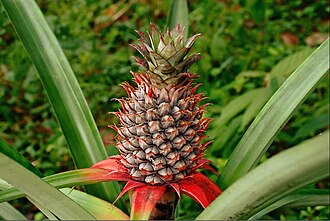
Photo: Wikipedia
This is pineapple that has been peeled, cored, sliced, and preserved in a thick, sweet sugar syrup. The result is a uniformly tender, golden fruit with a pronounced sugary sweetness that balances the pineapple's natural tartness. Nutritionally, it's a quick source of energy, primarily from carbohydrates and sugars.
Calorie split: 2% protein · 97% carbs · 1% fat
↓ Full nutrition💚 Why it's loved
People love it for its intense, sweet-tart flavor and soft, juicy texture that requires no preparation. It's a nostalgic staple for quick desserts, tropical drinks, and as a sweet topping for everything from yogurt to ham.
⚠️ Watch-outs & how to enjoy it better
The heavy syrup pack significantly increases the sugar content, which can contribute to rapid blood-sugar spikes if consumed in large amounts. To counteract this, practice portion control and pair it with a source of protein or fat (like cottage cheese or nuts) to slow sugar absorption. It's also high in natural fruit acids, which some people with acid reflux or sensitive teeth may find irritating.
Key benefits
- Provides a quick source of natural energy from carbohydrates.
- Contains vitamin C, an antioxidant important for immune function.
- Offers small amounts of manganese, which supports bone health and metabolism.
- The liquid can be used as a sweet flavoring agent in drinks and marinades.
- Convenient and shelf-stable for long-term pantry storage.
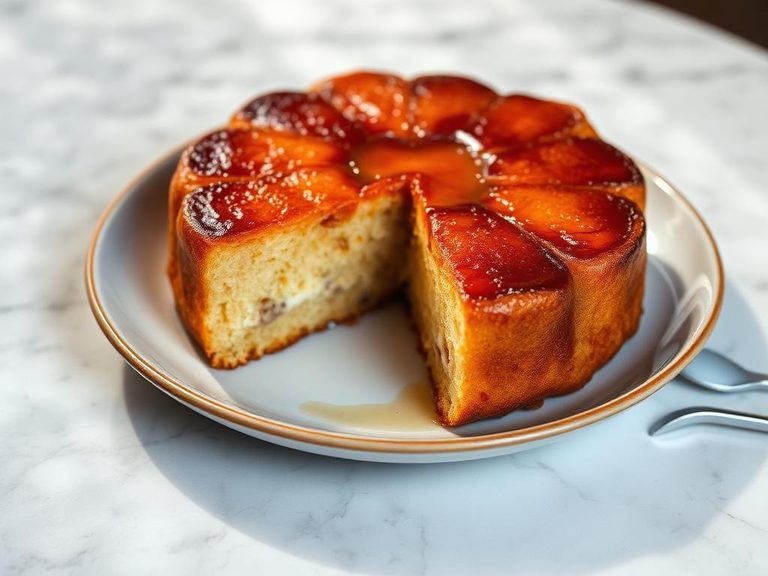
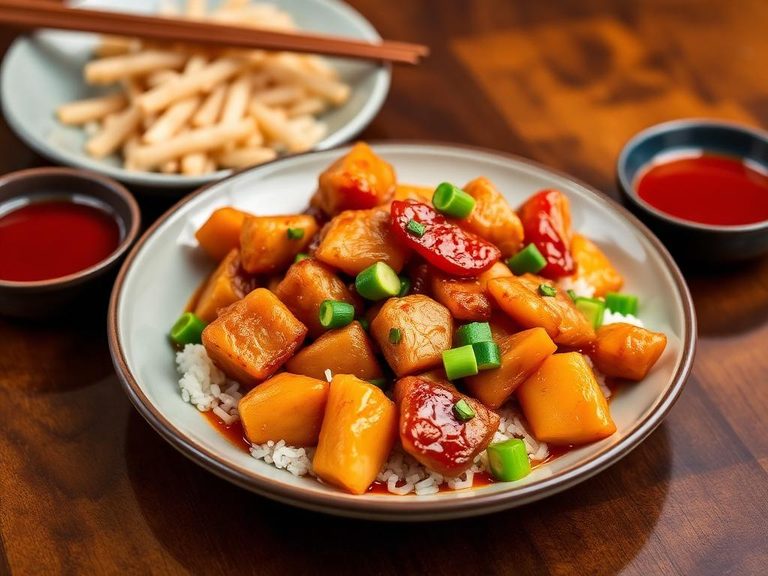
🍽️ Popular dishes
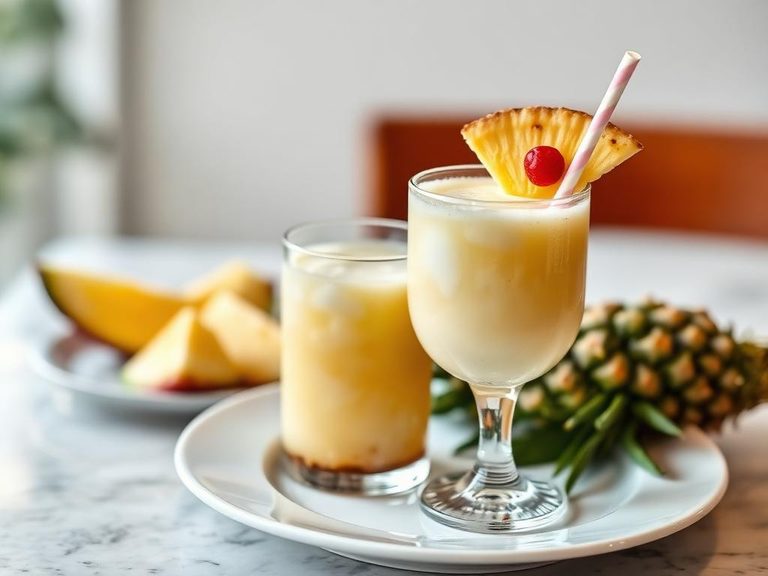
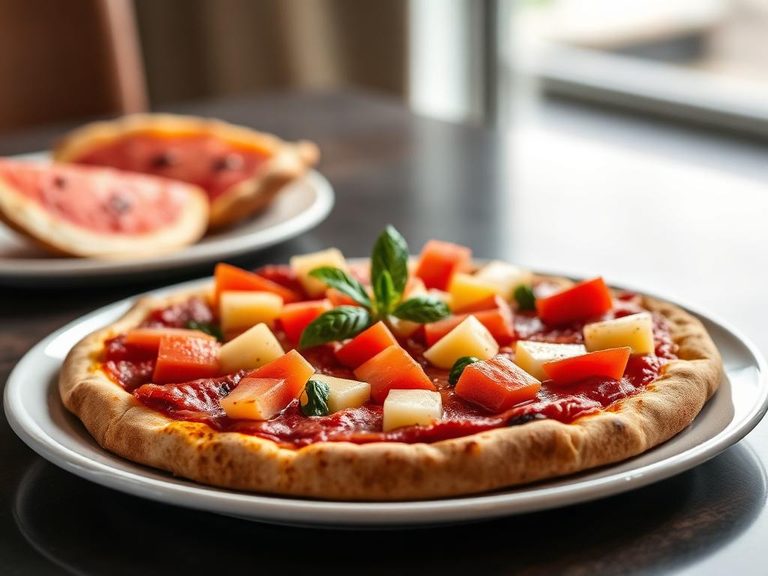
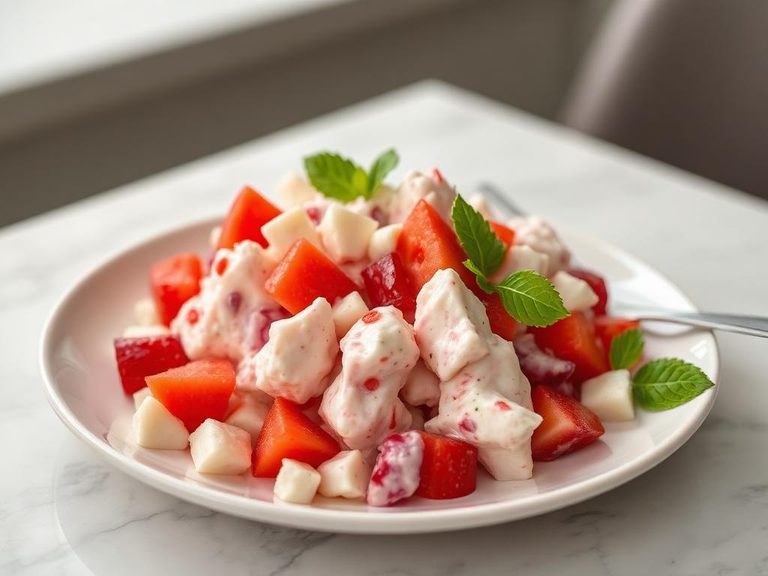
🌍 Where it's eaten
💡 Did you know?
The canning process was crucial for pineapple's global popularity; before it, the fruit was so perishable that it was a rare luxury, famously grown in European hothouses just for royal courts.
Full nutrition (USDA data · scales with serving)
| Water | 79.0 g |
| Energy | 78.0 kcal |
| Energy | 326 kj |
| Protein | 0.35 g |
| Total lipid (fat) | 0.11 g |
| Ash | 0.34 g |
| Carbohydrate, by difference | 20.2 g |
| Fiber, total dietary | 0.80 g |
| Total Sugars | 16.9 g |
| Sucrose | 2.2 g |
| Glucose | 7.5 g |
| Fructose | 7.2 g |
| Calcium, Ca | 14.0 mg |
| Iron, Fe | 0.38 mg |
| Magnesium, Mg | 16.0 mg |
| Phosphorus, P | 7.0 mg |
| Potassium, K | 104 mg |
| Sodium, Na | 1.0 mg |
| Zinc, Zn | 0.12 mg |
| Copper, Cu | 0.10 mg |
| Manganese, Mn | 1.1 mg |
| Selenium, Se | 0.40 ug |
| Vitamin C, total ascorbic acid | 7.4 mg |
| Thiamin | 0.09 mg |
| Riboflavin | 0.03 mg |
| Niacin | 0.29 mg |
| Pantothenic acid | 0.10 mg |
| Vitamin B-6 | 0.07 mg |
| Folate, total | 5.0 ug |
| Folic acid | 0.00 ug |
| Folate, food | 5.0 ug |
| Folate, DFE | 5.0 ug |
| Choline, total | 3.8 mg |
| Vitamin B-12 | 0.00 ug |
| Vitamin B-12, added | 0.00 ug |
| Vitamin A, RAE | 1.0 ug |
| Retinol | 0.00 ug |
| Carotene, beta | 8.0 ug |
| Carotene, alpha | 0.00 ug |
| Cryptoxanthin, beta | 0.00 ug |
| Vitamin A, IU | 14.0 iu |
| Lycopene | 0.00 ug |
| Lutein + zeaxanthin | 0.00 ug |
| Vitamin E (alpha-tocopherol) | 0.01 mg |
| Vitamin E, added | 0.00 mg |
| Vitamin D (D2 + D3), International Units | 0.00 iu |
| Vitamin D (D2 + D3) | 0.00 ug |
| Vitamin K (phylloquinone) | 0.30 ug |
| Alcohol, ethyl | 0.00 g |
| Caffeine | 0.00 mg |
| Theobromine | 0.00 mg |
Fat & fatty acid profile (per 100g)
| Fatty acids, total saturated | 0.01 g |
| SFA 4:0 | 0.00 g |
| SFA 6:0 | 0.00 g |
| SFA 8:0 | 0.00 g |
| SFA 10:0 | 0.00 g |
| SFA 12:0 | 0.00 g |
| SFA 14:0 | 0.00 g |
| SFA 16:0 | 0.01 g |
| SFA 18:0 | 0.00 g |
| Fatty acids, total monounsaturated | 0.01 g |
| MUFA 16:1 | 0.00 g |
| MUFA 18:1 | 0.01 g |
| MUFA 20:1 | 0.00 g |
| MUFA 22:1 | 0.00 g |
| Fatty acids, total polyunsaturated | 0.04 g |
| PUFA 18:2 | 0.02 g |
| PUFA 18:3 | 0.02 g |
| PUFA 18:4 | 0.00 g |
| PUFA 20:4 | 0.00 g |
| PUFA 20:5 n-3 (EPA) | 0.00 g |
| PUFA 22:5 n-3 (DPA) | 0.00 g |
| PUFA 22:6 n-3 (DHA) | 0.00 g |
| Fatty acids, total trans | 0.00 g |
| Cholesterol | 0.00 mg |
Amino acid profile (per 100g)
| Tryptophan | 0.01 g |
| Threonine | 0.01 g |
| Isoleucine | 0.01 g |
| Leucine | 0.01 g |
| Lysine | 0.02 g |
| Methionine | 0.01 g |
| Cystine | 0.00 g |
| Phenylalanine | 0.01 g |
| Tyrosine | 0.01 g |
| Valine | 0.01 g |
| Arginine | 0.01 g |
| Histidine | 0.01 g |
| Alanine | 0.02 g |
| Aspartic acid | 0.08 g |
| Glutamic acid | 0.04 g |
| Glycine | 0.01 g |
| Proline | 0.01 g |
| Serine | 0.02 g |
FAQ
What's the difference between heavy syrup and juice pack?
Heavy syrup is a denser, sweeter solution of water and sugar (often sucrose or high-fructose corn syrup), resulting in a higher calorie and sugar content. Juice pack is canned in 100% pineapple juice, which has less added sugar and a more tart, natural flavor.
Can I use the syrup for baking?
Absolutely. The thick, sweet syrup is excellent for moistening cakes (like in poke cakes), sweetening cocktails, making glazes for meats, or as a base for a simple fruit syrup for pancakes or ice cream.
Is canned pineapple as nutritious as fresh?
While the canning process can reduce some heat-sensitive vitamins like vitamin C, canned pineapple remains a good source of fiber and minerals. The primary nutritional difference is the added sugar in syrup packs versus the natural sugars in fresh fruit.
Nutrient density (calculated · NRF9.3)
Nutrient Rich Foods index: beneficial nutrients (protein, fiber, vitamins, minerals) minus saturated fat, added sugar & sodium, per 100 kcal.
NRF9.3 index — Fulgoni, Keast & Drewnowski, 2009. Computed from USDA nutrients.
Weight-loss friendliness (composite index)
Energy density 0.78 kcal/g · 2% calories from protein · 0.8 g fiber · 16.9 g sugar per 100 g.
Composite of energy density (Rolls et al., 1999), protein & fiber satiety, minus sugar. A calculated heuristic — ranks satiety-per-calorie, not a clinical measure.
Dietary load (calculated from USDA values)
Potential renal acid load. Positive = acid-forming, negative = alkaline-forming.
Sodium-to-potassium ratio: 0.01 (lower is better — aim for ≤ 1)
Sodium:potassium per WHO potassium guidance. Computed from USDA nutrients.