

Upside-Down Cake
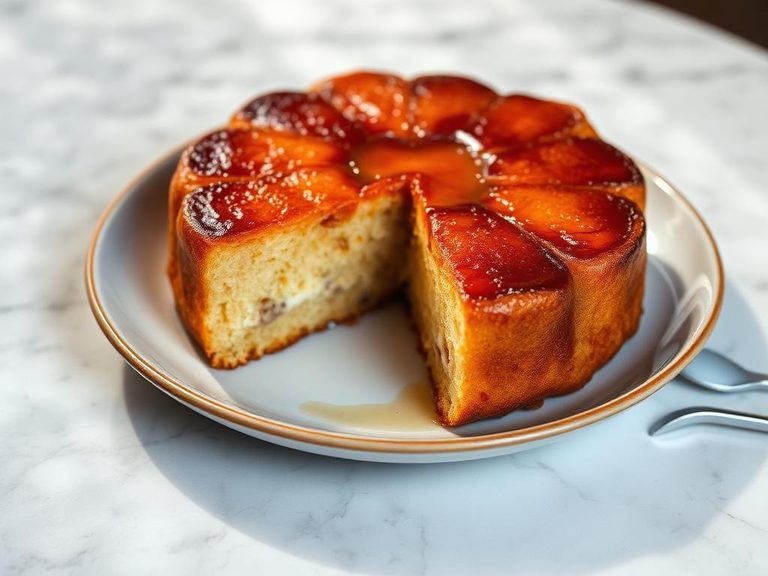
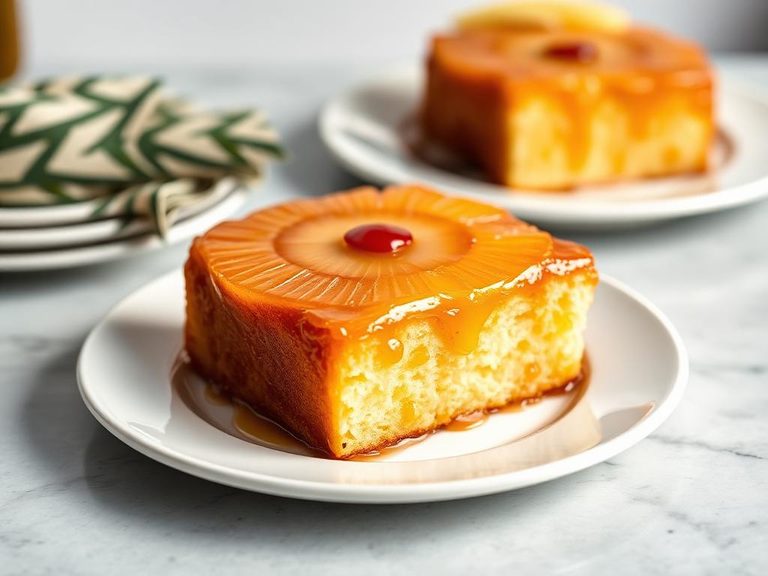
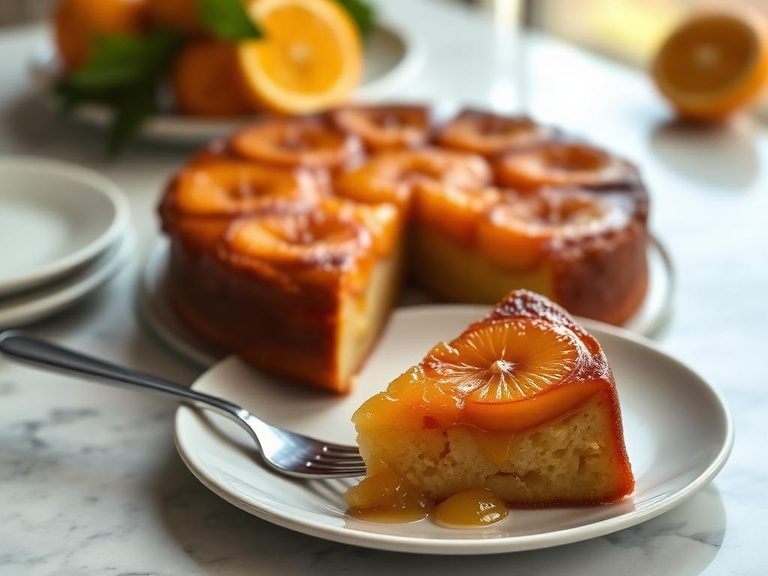
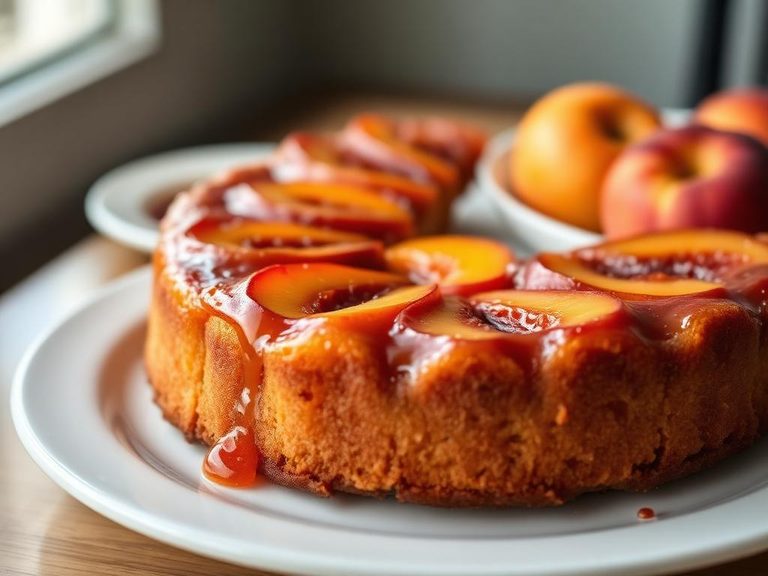
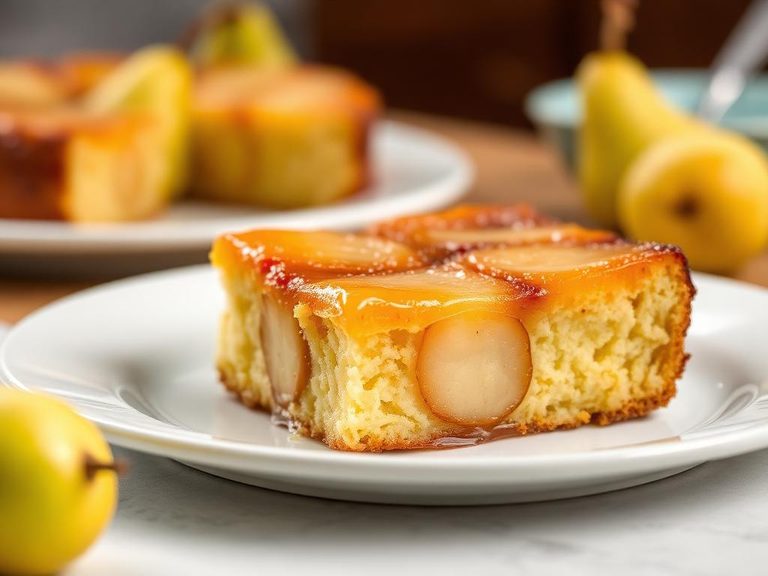
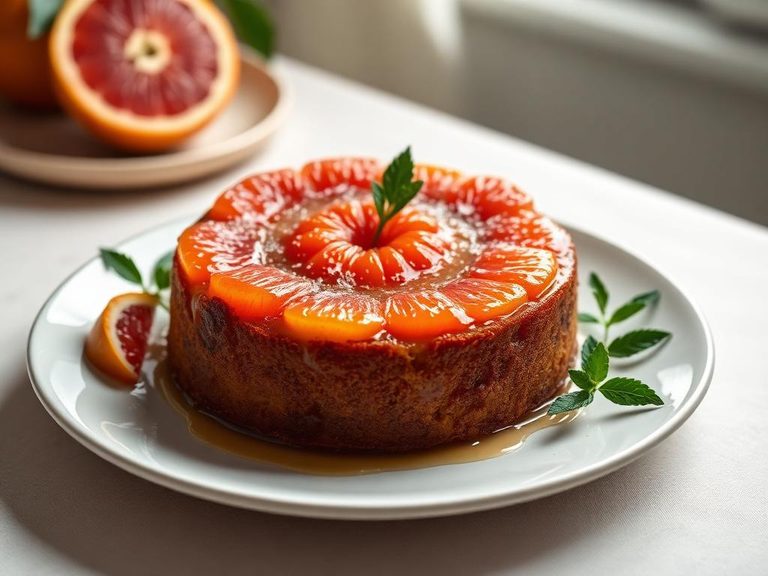
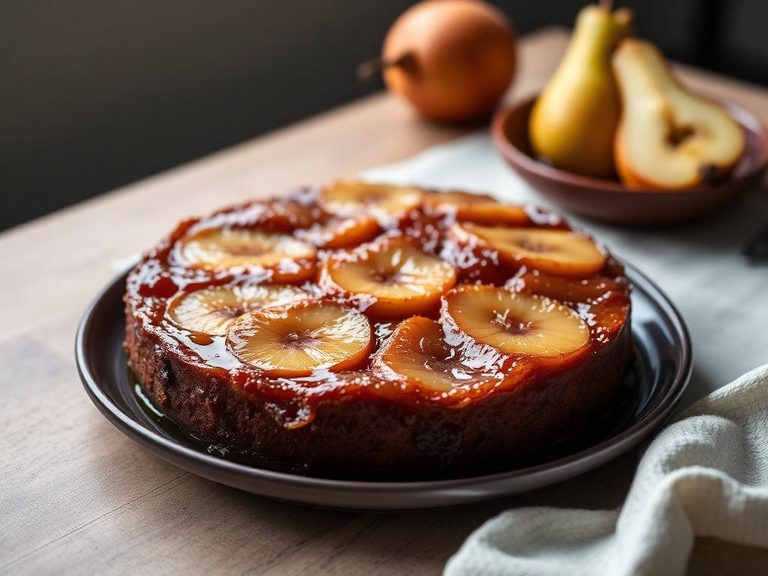
Upside-Down Cake is a baked dessert where fruit or other toppings are placed at the bottom of the pan with butter and sugar, then covered with cake batter and inverted after baking so the caramelized topping is on top. The most classic version features pineapple rings and maraschino cherries, though variations with apples, pears, or berries are common. This style of cake became particularly popular in the United States during the mid-20th century.
🍳 View the full Upside-Down Cake recipe →
🍽️ Nutrition at a glance
This dessert is typically high in carbohydrates and fat, with a moderate amount of sugar from both the cake and the caramelized topping. A single serving generally contains around 300-400 calories, providing quick energy but limited essential nutrients beyond some small amounts of fruit-based vitamins.
Nutrition breakdown
| Calories | 380 kcal |
| Protein | 4.5 g |
| Carbs | 58 g |
| Fat | 16 g |
| Fiber | 1.5 g |
| Sugar | 40 g |
| Sodium | 280 mg |
| Potassium | 120 mg |
| Calcium | 60 mg |
| Iron | 1.8 mg |
| Vitamin A | 150 IU |
| Vitamin B1 (Thiamin) | 0.1 mg |
| Vitamin B2 (Riboflavin) | 0.05 mg |
| Niacin (B3) | 0.8 mg |
| Phosphorus | 50 mg |
Per 1 piece (113 g) · estimated, varies by recipe
💡 What's interesting
The 'upside-down' technique is a clever baking method that allows the topping to caramelize in the pan juices, creating a built-in sauce and decorative presentation without extra steps. Nutritionally, while not a health food, using fresh fruit variations can add some fiber and natural vitamins to an otherwise indulgent treat.
🍽️ Related dishes
AI estimate may be inaccurate · Terms